In-Person & Virtual Therapy

Self-Esteem Therapy in Calgary

Published Updated
Book Online

Does any of this sound like you?

  • You replay a small social moment from three days ago and cringe at how you came across, and the loop will not let you go.
  • You hold yourself to a standard that exhausts you, and falling short of it confirms what you already suspected about yourself.
  • On paper your life looks successful, and inside it you feel like a fraud who has not yet been found out.
  • You scroll, you compare, and within minutes you have built a case against your own life.
  • Someone gives you a sincere compliment and you freeze, deflect, or talk yourself out of it before it lands.
  • You apologise for things that are not your fault, over-explain decisions you are allowed to make, and end the day wondering why you are so tired.

About this service

Self-esteem isn’t a feeling that needs boosting — it’s the running output of much older internal rules about worth, capability, and lovability. For many Calgarians the symptom is silent: a CV that looks impressive from the outside paired with a constant internal score-keeping; a comfortable relationship undermined by waiting for the other shoe to drop; achievements that briefly register as “fine” before the bar resets higher.

Most clients who come to us for self-esteem work have already read the books — Brené Brown, IFS, “The Body Keeps the Score.” Many have spent time in CBT working on cognitive distortions. The pattern they describe is consistent: the framework makes sense intellectually, but the felt sense of inadequacy doesn’t actually shift. Reframing doesn’t reach the belief layer where the rule was installed.

The ShiftGrit Core Method™ — our structured clinical system within the Identity-Level Therapy orientation — targets the limiting beliefs underneath the self-critical loop, then runs reconditioning processes to update those beliefs at the level where they actually live. You’ll work with a clinical psychologist or registered counsellor at our Mount Royal studio (815 17 Avenue SW), walking distance from Mission, Cliff Bungalow, and the 4 Street SW corridor.

Virtual sessions across Alberta also available via Jane online booking — useful for clients in Cochrane, Airdrie, or Canmore who’d rather not commute. Same-week appointments typically open.

Types of self esteem we treat

Imposter Syndrome at Work

High-performing professionals who feel like frauds despite a track record of real results. The mind reframes every win as luck, timing, or a mistake the room has not yet noticed. Promotions and praise often intensify the feeling rather than ease it, because the gap between external evidence and internal self-reading widens. The pattern runs on a belief like "I am incapable," and the achievements never reach the layer where that belief lives.

People-Pleasing and the Lost Self

Chronic accommodation of other people's preferences, moods, and expectations to the point of losing track of your own. Saying no produces guilt that feels physical. Conflict triggers a freeze, then a collapse into agreement. Over years the self that was being protected by the pleasing gets harder to locate, and clients often describe not knowing what they actually want anymore. The driver is usually a belief that being liked is the condition for being safe.

Perfectionism-Driven Self-Worth

Worth and output have fused. The work is never finished, the standard keeps moving, and rest feels dangerous. A 95 percent performance is read by the mind as a 5 percent failure. Mistakes do not register as data, they register as evidence about who you are. The pattern protects against an underlying belief about inadequacy, and the cost is exhaustion, procrastination on the things that matter most, and a brittle relationship with feedback.

Body Image and Appearance-Linked Self-Esteem

Self-worth that tracks the mirror, the scale, or a specific feature. Good days hinge on how the body reads back, bad days collapse the whole self-concept. The pattern often coexists with disordered eating, gym-anxiety, or appearance-checking rituals. The deeper layer is rarely about the body itself; it is about a belief that being acceptable as a person depends on being acceptable as a body, and that belief was usually installed long before adulthood.

Post-Relationship Self-Esteem Collapse

A breakup, divorce, or long-term relationship ending that has left the self-concept in pieces. The story the mind is running is some version of "if I was enough, this would not have happened," and that story attaches to every prior doubt the person already carried. Common features include rumination on the ex, hyper-analysis of one's own faults, and a felt sense of being unlovable that operates independent of evidence to the contrary.

Childhood-Rooted Core Unworthiness

A baseline sense of "I am not good enough" or "I am unwanted" that traces back to early life rather than to a recent event. Often there is no single big trauma to point at, just a long pattern of conditional regard, emotional neglect, or being valued for performance. The belief was reasonable at the time and has long since outlived its usefulness. It runs underneath adult life as a kind of background hum, colouring relationships, work, and self-talk.

Achievement Burnout and Identity Hollowing

The achievement treadmill has finally outpaced the person on it. Years of using output as the source of worth have produced a successful life and a hollowed-out interior. Slowing down feels intolerable because the identity is structured around the next thing. The pattern often surfaces in mid-career, after a major milestone, or following a health event that forces a pause. The work is to separate worth from output without dismantling the parts of the drive that are healthy.

Deep dive

Low Self-Esteem


Identity-Level Therapy for Self Esteem in Calgary

Identity-Level Therapy targets the belief patterns running underneath low self-esteem: the "I am not good enough" loop, the perfectionism, the people-pleasing, the imposter feelings. Not affirmations. The root.

It’s organized around three pillars:


Limiting Beliefs Commonly Linked with Self Esteem Therapy

These identity-level patterns frequently show up for clients seeking self esteem therapy. Explore the beliefs to learn the “why” and how therapy can help you recondition them.


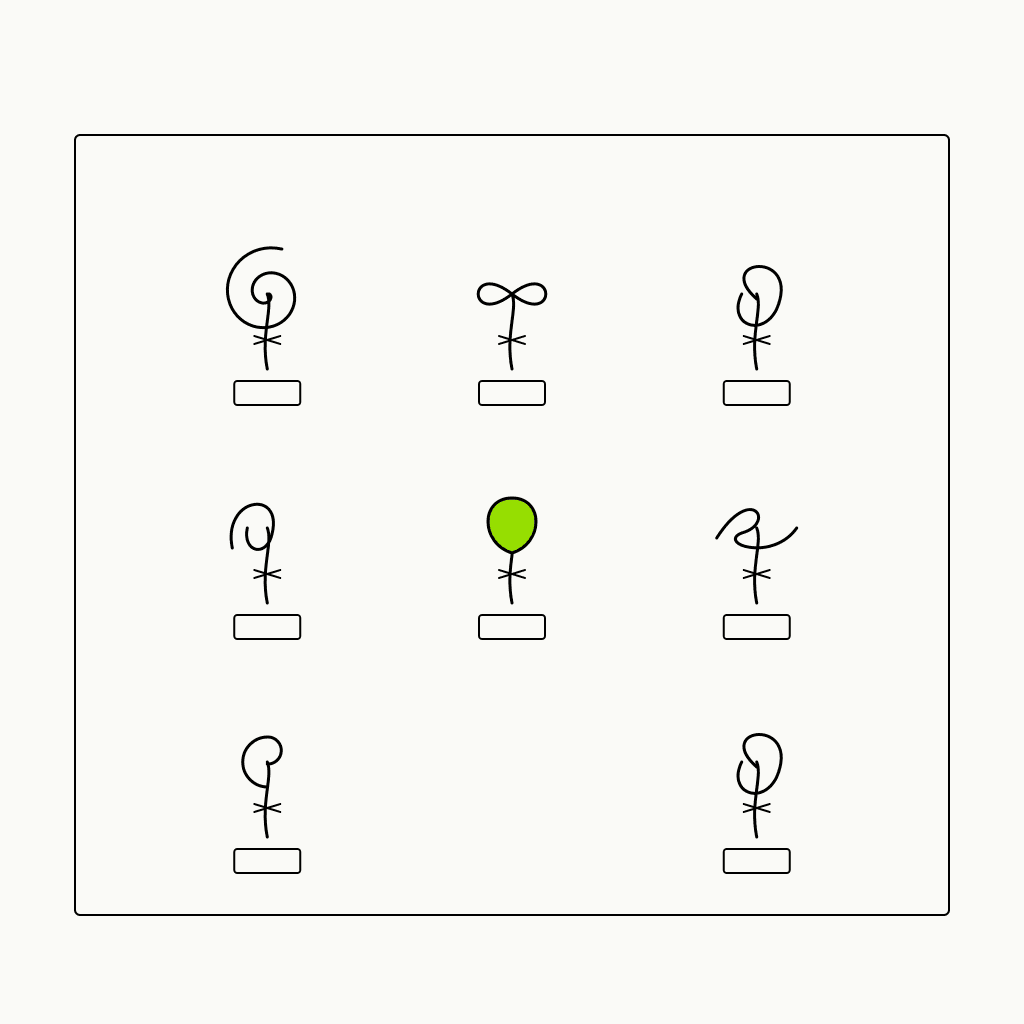
Visual representation of the belief ‘I’m Not Good Enough’ from the ShiftGrit Pattern Library, used in Identity-Level Therapy to help individuals recondition emotional patterns.

“I Am Not Good Enough”

“I’m Not Good Enough” isn’t just a negative thought — it’s a pattern formed by early experiences like criticism, neglect, or impossible expectations. This belief fuels perfectionism, people-pleasing,…

Explore this belief
ShiftGrit belief tile for “I Am Inadequate” featuring Ina symbol on white background

“I Am Inadequate”

Feeling like you're never enough? The belief “I Am Inadequate” often drives impostor syndrome, perfectionism, and chronic self-doubt. Learn how Identity-Level Therapy targets the root and rewires the…

Explore this belief

Want to see how these fit into the bigger pattern map? Explore our full Limiting Belief Library to browse all core beliefs by schema domain and Lifetrap.


What to expect

  1. Enriched intake

    Your program begins with what we call an enriched intake. Your clinician works like a detective, gathering a current-functioning picture (sleep, mood, work, relationships, medical context) and a careful family-of-origin history. Along the way they listen for non-nurturing elements: the smaller-scale early experiences that shape later patterns and that clients often discount because they don't feel like "big" trauma. The intake closes with a treatment plan and a preview of how the program unfolds from here.

  2. Pattern mapping

    Once the picture is full enough, we move into pattern mapping. Together we build out the specific patterns that have been running underneath your self-esteem patterns: the limiting belief at the core, the dysfunctional need it generates, the pressure that builds, the behaviours you fall into to relieve it, and the way the cycle ends up confirming the original belief. You'll also meet the "walnut brain," the older threat-detecting part of your nervous system that keeps these patterns running even when your cognitive mind knows better. The patterns get ranked, and that ranking sets the order of operations for the rest of the program.

  3. Seeing the full reach

    Most clients spend time exploring how a single limiting belief reaches across multiple areas of life: work, parenting, money, intimacy, health. This is the bridge from understanding the patterns intellectually to working on them at the nervous-system level.

  4. Core Method reconditioning

    Reconditioning updates a limiting belief at the level where it actually runs, not at the level of thought. A limiting belief is an automatic emotional response your nervous system learned long ago, which is why understanding it rarely makes it stop firing. Within the Identity-Level Therapy orientation, your clinician guides you through a structured protocol that retrains that response directly. Clients work through it across several limiting beliefs, in the order set during pattern mapping.

  5. Integration and ideal reality

    As the underlying patterns shift, the work broadens. Sessions integrate the new patterns into real relationships, decisions, and life choices, drawing as appropriate from schema work, ACT, DBT, and life analysis. The stated endpoint of the program isn't "functional." It's what the method calls your ideal reality.

Meet Some of Our Calgary Therapists

Many of our Calgary clinicians work with self esteem. Browse profiles, watch introduction videos, and book online when you're ready.


Trusted by Leading Psychology and Mental Health Organizations Serving Calgary

Our clinicians hold credentials recognized by the major licensing and professional bodies serving Calgary and across Canada.


Trusted By Alberta’s Leading Psychology & Mental Health Organizations

ShiftGrit Psychology & Counselling is professionally regulated, certified, and recognized by leading psychology and mental-health organizations across Alberta and Canada. These associations reflect our commitment to ethical practice, clinical standards, and evidence-informed therapy through Identity-Level Therapy and Reconditioning.

Regulated and affiliated across Alberta’s leading psychology, counselling, and mental-health organizations.


Regulated and affiliated across Canada's leading psychology, counselling, and mental-health organizations.

Book a session

Ready to start Self-Esteem Therapy in Calgary?

Connect with one of our Calgary therapists. Online booking available — same-week appointments are usually possible.

Patterns We Work With in Self Esteem Therapy

The clinical category above is one frame. ShiftGrit’s Pattern Library looks at the same territory through identity-level patterns — the loops underneath the surface symptom that therapy can address at the belief layer.

Curating Yourself for Approval

This pattern often means you are not just trying to make a good impression; you are managing how much of the real you feels safe to show. You may watch your tone, appearance, effor…

Read more →

Low Self-Esteem

It isn’t lack of confidence or evidence of failure — it’s a pattern where your mind filters every experience through “I’m not enough.” Even positive feedback may feel uncomfortable…

Read more →

Explore all Self Esteem patterns →

FAQ

What's the difference between self-esteem therapy and confidence coaching?

Confidence coaching is genuinely useful, and it works a different layer than therapy does. Coaching teaches skills: posture, voice, framing, how to walk into the room, how to ask for the raise, how to recover from a bad first impression. Those skills compound. What coaching is not built to do is update the belief underneath the skill gap. If the belief is “I am not good enough,” polished delivery does not reach that layer; it sometimes makes the gap feel wider, because the outside is now performing at a level the inside cannot match. Identity-Level Therapy works the belief itself, which is why the two approaches often pair well in sequence.

How is Identity-Level Therapy different from CBT for self-esteem?

Cognitive Behavioural Therapy treats self-esteem largely at the level of thought. The work involves identifying the negative self-talk, challenging the cognitive distortions, building evidence against the harsh stories, and practising more accurate self-statements. That is real work and it helps a lot of people. Identity-Level Therapy starts from the observation that the thought is usually a downstream output of an older belief running underneath it. Challenging the thought without updating the belief tends to produce a cycle where the client knows intellectually that the harsh story is not true and still feels its truth in the body. ILT targets the belief layer directly.

Do I need a diagnosis to start self-esteem therapy?

No. Therapy doesn’t require a formal diagnosis. Low self-esteem on its own is not a DSM diagnosis, and most people who come to us for self-esteem work do not need one in order to begin. If the picture also includes anxiety, depression, or another condition, that gets named during the enriched intake and folded into the treatment plan. The work does not depend on a label being in place first; it depends on a clear read of the patterns running.

Is self-esteem therapy covered by insurance in Alberta?

Most extended health benefit plans in Alberta cover sessions with Registered Psychologists. Coverage with Canadian Certified Counsellors and Registered Social Workers varies more by plan. Common per-year coverage caps are between $500 and $2,000. We provide receipts with the practitioner’s registration number for you to submit, and direct billing is available with several major insurers. If you’re unsure whether your specific plan covers our practitioners, call your insurer’s member line and ask whether sessions with the relevant credential are reimbursable, and at what rate.

Can therapy help if my self-esteem issues come from childhood?

Yes, and that is one of the most common entry points to this work. The enriched intake at the start of the program is built to surface family-of-origin patterns: conditional regard, emotional neglect, being valued for performance, parentification, and the smaller-scale non-nurturing elements that clients often dismiss because they do not look like “big” trauma. Those patterns are usually where the limiting beliefs got installed in the first place. Identity-Level Therapy works that layer specifically, and the goal is not to relive the childhood but to update the belief that the childhood produced.

What if my low self-esteem is tied to perfectionism or people-pleasing?

That is the most common adult presentation we see. Perfectionism and people-pleasing are not character flaws; they are strategies the nervous system built to manage an underlying belief, usually some version of “I am only acceptable when I am performing” or “being liked is the condition for being safe.” Working the strategy at the behavioural level alone tends to backfire because the belief is still generating the pressure. For some clients the perfectionism layer also overlaps with late-diagnosed adult ADHD, and the work can run alongside adhd therapy calgary clinicians provide so both layers are addressed rather than collapsed into one. ILT works the worth-equals-output and worth-equals-approval beliefs directly, and the perfectionism and the pleasing tend to soften on their own once the belief layer updates.

Can I do self-esteem therapy online if I'm in Calgary?

Yes. We offer in-person sessions at our Mount Royal studio at 815 17 Ave SW #210, and virtual sessions across Alberta. Self-esteem work translates well to either format. Many Calgary therapists run only one or the other, and clients often appreciate that we offer both and decide the mix based on the actual presentation. Some clients prefer in-person for the felt sense of being seen by another person, which can itself be useful for clients whose patterns include hiding. Others prefer virtual for the lower exposure and the convenience. We figure out the right mix at intake based on the actual presentation and your preference.

How long does self-esteem therapy typically take?

Adult self-esteem work in our practice usually runs between twelve and twenty sessions. The range reflects how layered the patterns are. A clearer single-belief picture (say, a post-relationship self-esteem collapse) tends to be on the shorter end. A childhood-rooted core unworthiness pattern that has been running for thirty years and shows up across work, intimacy, and parenting tends to sit on the longer end. We are transparent at intake about the expected length for your specific picture, and we re-evaluate together at the mid-process pattern check-in.

What's the connection between self-esteem and anxiety or depression?

Self-esteem patterns tend to generate the conditions for anxiety and depression rather than sit alongside them as separate problems. A belief like “I am not good enough” produces chronic threat-readings in social and work settings, which the nervous system experiences as anxiety. A belief like “I am unwanted” produces the kind of relational hopelessness that can drop into depression. Some clients arrive after working with anxiety therapy calgary clinicians offered, or after a course of depression therapy calgary clinicians provided, and the symptoms eased without the underlying self-esteem layer ever being addressed, which is part of why they returned. Working the belief layer tends to ease the anxiety and the depression as downstream effects, which is part of why so many clients arrive presenting one thing and discover the deeper pattern during intake.

I look successful from the outside. Why does my self-esteem still feel low?

This is one of the most common questions we hear, and the gap is not a sign that something is broken in your reading of yourself. External success and internal self-esteem run on different layers. Success is built by behaviours, skill, and the right opportunities meeting effort. Internal self-esteem is built on a belief about who you are at the identity level, and that belief usually got installed long before the resume started. Achievements pass through the cognitive layer and get filed as luck, timing, or near-misses, and they never reach the belief underneath. Identity-Level Therapy works the belief directly, which is why the change shows up as a felt sense rather than as a new line item on the CV.


More Calgary Therapy Guides

Life in Calgary moves fast—tight timelines, high expectations, and constant comparison. These guides explain why emotional patterns often feel louder here, how identity-level beliefs get triggered in high-demand environments, and what structured, evidence-informed therapy can actually change.

More Resources from ShiftGrit Psychology Calgary

Not in Calgary? See Edmonton options.

Authored by

ShiftGrit Clinical Editorial Team

The ShiftGrit Clinical Editorial Team combines the insight of registered psychologists, provisional psychologists, and trained writers to create accessible, evidence-informed therapy resources. All content is clinically reviewed by a Registered Psychologist.

Reviewed by registered psychologists at ShiftGrit, regulated by the College of Alberta Psychologists.