Why Anxiety Shows Up in Calgary’s Winter Months
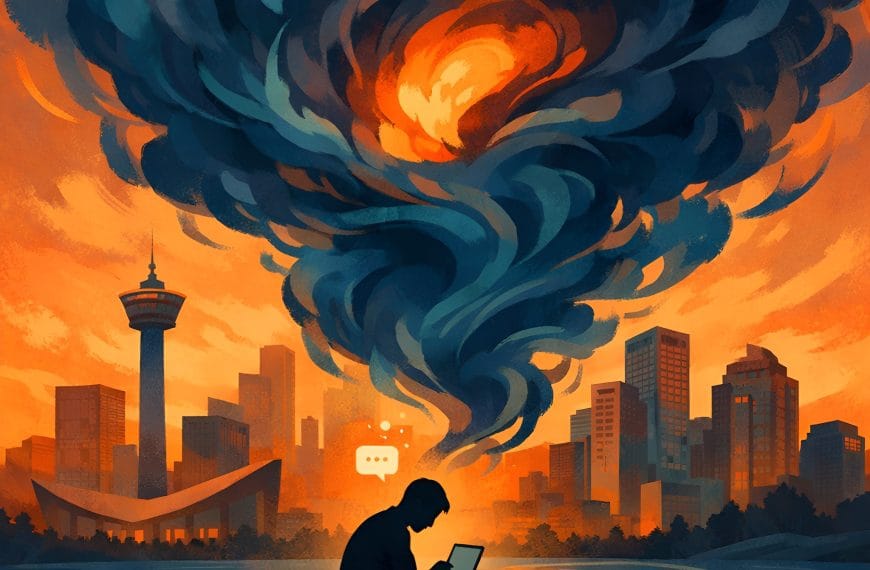
Calgary winter anxiety isn’t “just about the cold.” It’s a perfect storm of biology, environment, and identity-level patterns colliding at the exact same time.
Every year, when winter hits Calgary — the sudden darkness, the chinooks, the sub-zero snaps, the schedule compression — many high performers start feeling “off” without understanding why.
This article breaks down what’s actually happening under the surface (hint: it’s not willpower, mindset, or motivation), why anxiety spikes in Calgary specifically, and what you can do to break the loop instead of just coping through it.
1. Calgary’s Winters Pull the Nervous System Into Survival Mode
Winter in Calgary creates a physiological environment that mimics danger:
- Less sunlight = disrupted circadian rhythm
- Cold exposure = increased cortisol
- Weather volatility = unpredictable stress
- Shorter days = reduced recovery time
Your body isn’t malfunctioning — it’s adapting.
But if you already have identity-level loops around safety, control, or worthiness, winter amplifies them.
The nervous system becomes less flexible, less resilient, and quicker to fire “threat” signals.
This is why you can feel:
- on edge
- restless
- overwhelmed
- unmotivated
- emotionally flat
- like something is “about to go wrong”
Winter doesn’t cause anxiety. It exposes the underlying pattern that was already there.
2. Seasonal Triggers Collide With Hidden Belief Loops
Most people think anxiety is about thoughts.
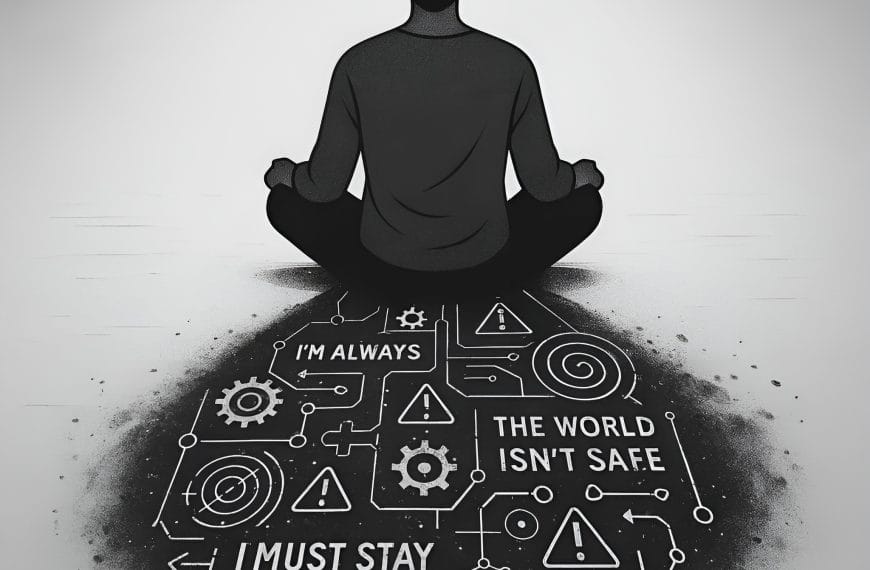
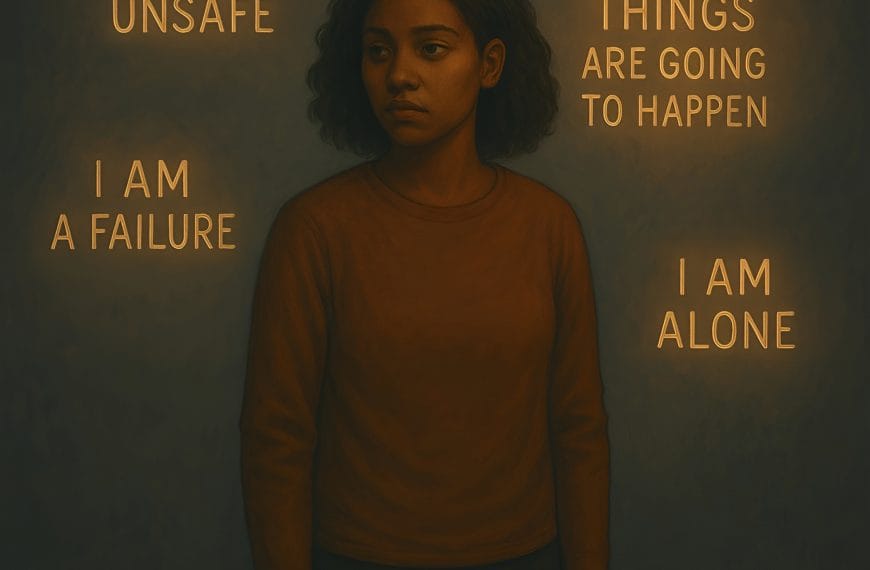
At ShiftGrit, we know it’s driven by automatic belief loops — identity rules formed years ago that quietly dictate how your nervous system reacts.
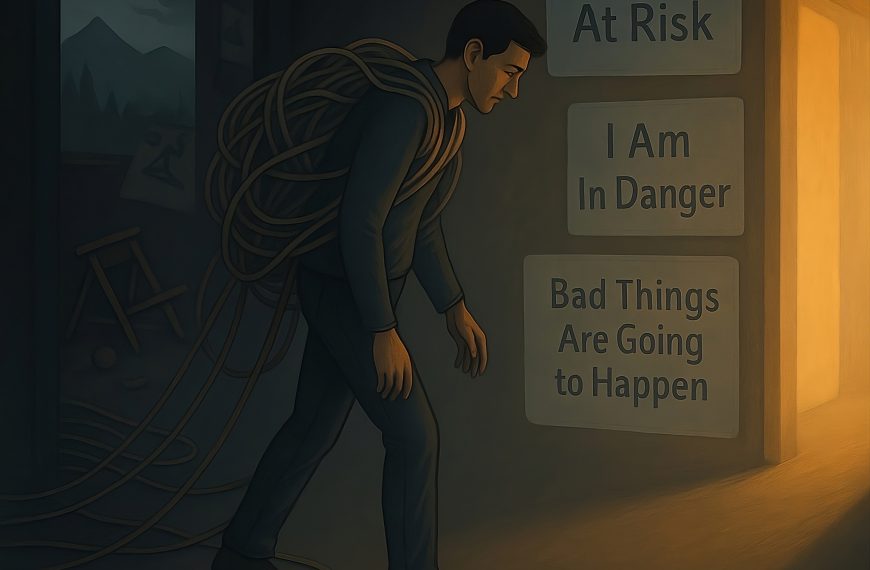
In winter, three loops become especially reactive:
Loop 1: “I’m Not Safe Unless I’m in Control”
When weather, driving conditions, schedules, and energy levels become unpredictable…
This loop fires hard.
Loop 2: “I’m Falling Behind”
Dark mornings, dark evenings, and less productive hours trigger shame-based patterns.
High performers feel like they’re “losing ground,” even when they’re not.
Loop 3: “Something Bad Is Going to Happen”
Low light and increased cortisol prime the nervous system for threat — even when life is objectively fine.
Together, these create Calgary winter anxiety that becomes more intense than typical seasonal stress.
3. Chinooks: Calgary’s Emotional Whiplash
This is one of the most under-talked-about contributors.
Calgary’s chinook swings cause literal barometric pressure changes, which can impact:
- migraines
- energy crashes
- irritability
- emotional dysregulation
- cognitive fog
For clients already managing anxiety, that pressure shift intensifies the brain’s vigilance system.
It’s not “being dramatic.”
It’s biology reacting to pressure instability.
4. The Winter Identity Trap: When You Think It’s “You”
One of the most damaging patterns we see every winter:
People assume their experience = their identity.
They say:
- “I’m losing my drive.”
- “I can’t handle winter anymore.”
- “I get like this every year — this is just who I am.”
But winter doesn’t define you.
It reveals the loops that need reconditioning.
When your automatic system is running the show, winter feels like a personality shift.
When your identity loops are rewired, winter becomes… winter. Nothing more.
5. Why Traditional Coping Strategies Fall Apart in Winter
Talk therapy, mindset tools, journaling, and coping strategies can offer comfort — but in winter, they often fall short because they don’t address the automatic system.
Winter overwhelms coping tools because it hits the subconscious pattern layer where:
- threat rules
- emotional shortcuts
- learned responses
- limiting belief loops
…are stored.
Identity-Level Therapy works specifically at this root layer — the level winter exposes most.
6. What Actually Helps Break Calgary Winter Anxiety
You don’t reduce winter anxiety by trying harder.
You reduce it by updating the system that interprets winter as a threat.
Identity-Level Therapy targets:
- pattern loops (perfectionism, shutdown cycles, catastrophizing)
- nervous system shortcuts
- belief rules that fire automatically
- emotional memory structures
- identity-level interpretations
Over time, your body learns a new default — one that doesn’t panic when the sun disappears at 4:30 pm.
The result?
- More emotional stability
- Less reactivity
- Clearer thinking
- More control over energy
- A calmer baseline — even during -25° weeks
Not because winter changed.
Because your system did.
7. When to Get Help (and What to Expect)
Reach out if:
- Anxiety increases every winter
- You feel “different” in ways you can’t explain
- Your motivation collapses
- You experience panic, dread, or irritability
- You can’t get your nervous system to settle
ShiftGrit therapists specialize in winter-triggered anxiety because it’s one of the clearest windows into identity patterns.
Our first sessions focus on:
- Enriched intake — mapping your loops
- Pattern map — identifying your winter triggers
- Connect the dots — showing how winter is activating deeper patterns
Because winter isn’t the enemy.
Your patterns are.
And patterns can be rewired.
Calgary Winter Anxiety Doesn’t Have to Be Annual
You don’t have to white-knuckle your way through every December–February.
You can train your nervous system to respond differently — not by coping harder, but by changing the subconscious blueprint that winter currently activates.
If you’re ready to experience winter without the anxiety spiral, our Calgary therapists can help you recondition the loops behind it.