










































Identity-Level Therapy Guides
Other-Directedness
Limiting Beliefs in the Other-Directedness Schema Domain
This Schema Domain centres on people-pleasing, fawning, and self-erasure. Beliefs here say your job is to keep others happy, calm, or comfortable—even if it costs you your own needs and limits.
When you learn that your needs come second—you contort to keep others close, even at your own expense.
This page maps the core Lifetraps and limiting beliefs inside this Schema Domain—so you can see how identity-level patterns are structured and how they may be showing up in perfectionism, shutdown, overfunctioning, or anxiety.
Many people find it helpful to have language for what has felt like “just the way I am.” Naming the pattern is not the same as diagnosing it, but it can create a clearer starting point for change.
Looking for the full Limiting Belief Library? Jump to this domain inside the Core Beliefs Library or explore the full map at /core-beliefs/.
Lifetraps in Other-Directedness
Each Lifetrap is a recurring pattern between what you expect, how you feel, and how you cope. Below are the Lifetraps in this domain and some of the beliefs that often sit underneath them.
Self-Sacrifice
When love and safety become linked with self-erasure—overgiving, guilt, and emotional caretaking take over.
Examples of beliefs in this Lifetrap:
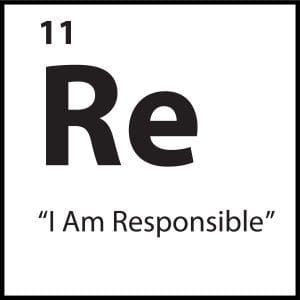
 11. “I Am Responsible”
This belief isn’t about kindness.
It’s about survival.
When “I Am Responsible” takes root, caring becomes compulsive.
You jump into every problem, anticipate every need, and absorb every emotion — not just because you want to, but because you think you have to.
Approval-Seeking / Recognition-Seeking
Basing your worth on how others respond—chasing validation instead of your genuine preferences.
Examples of beliefs in this Lifetrap:
 17. “I Am Not Special”
This belief doesn’t always feel sad — it often feels quietly hollow.
You go through the motions, succeed in the external world… but deep down, it never quite lands.
You learned that you were just another face in the crowd — that nothing about you stood out, lit up the room, or made people stay. 44. “I Am Awkward”
This Belief Doesn’t Just Embarrass — It Isolates.
“I Am Awkward” isn’t just a social quirk. It’s a patterned response rooted in the fear of being judged, rejected, or misunderstood.


Important: This library is intended for education and self-reflection only. It does not provide a diagnosis, and it’s not a substitute for working with a qualified mental health professional.
How Identity-Level Therapy Works with Limiting Beliefs
Mapping beliefs is the first step. In therapy, we don’t just name the pattern—we focus on the identity-level loops that seem to keep it active, using structured exercises that are intended to help your nervous system update old rules that no longer fit your current life.
1. Map the Pattern
We trace how a belief—like “I Am Not Good Enough” or “I Am A Failure”—links to specific triggers, emotions, body responses, and coping moves such as overworking, avoidance, or shutdown.
2. Work at the Identity Level
We use structured exercises aimed at updating the belief at the schema level, so the nervous system can register new information about safety, worth, and control.
3. Practise New Responses
We practise new responses in-session and between sessions so shifts have a chance to show up in real life.
Want to see how this fits into the broader ShiftGrit approach?
Explore Identity-Level Therapy
