































Identity-Level Therapy Guides
Impaired Limits
Limiting Beliefs in the Impaired Limits Schema Domain
In this Schema Domain, limits weren’t consistent, fair, or emotionally safe. Beliefs can swing between “rules don’t apply to me” and “I can’t tolerate frustration, so I might as well give in.”
When boundaries, self-control, or reality-checks are inconsistent—we either overstep or implode.
This page maps the core Lifetraps and limiting beliefs inside this Schema Domain—so you can see how identity-level patterns are structured and how they may be showing up in perfectionism, shutdown, overfunctioning, or anxiety.
Many people find it helpful to have language for what has felt like “just the way I am.” Naming the pattern is not the same as diagnosing it, but it can create a clearer starting point for change.
Looking for the full Limiting Belief Library? Jump to this domain inside the Core Beliefs Library or explore the full map at /core-beliefs/.
Lifetraps in Impaired Limits
Each Lifetrap is a recurring pattern between what you expect, how you feel, and how you cope. Below are the Lifetraps in this domain and some of the beliefs that often sit underneath them.
Entitlement / Grandiosity
Beliefs that rules, limits, or consequences shouldn’t really apply to you.
Examples of beliefs in this Lifetrap:
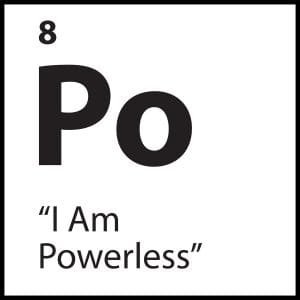
 8. “I Am Powerless”
When the belief “I Am Powerless” takes root, action doesn’t feel difficult — it feels pointless.
You want to change. You want to move forward.
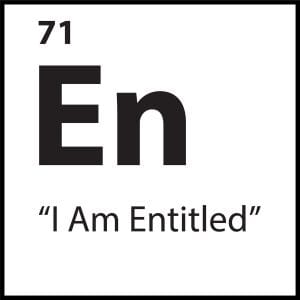
But your system says, “What’s the use?” 71. “I Am Entitled”
You’ve probably heard “everyone deserves respect and fairness.”
But when this belief is active, fairness feels skewed—you feel inherently owed more.
“I Am Entitled” isn’t about healthy self-respect or ambition.
It says: “The world owes me special treatment, privileges, or recognition, regardless of my actions.”
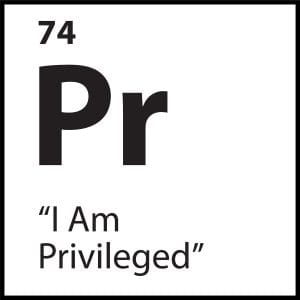
When this belief guides your interactions, relationships become transactional, often leading to frustration, disappointment, and social disconnection. 74. “I Am Privileged”
You’ve probably heard “gratitude is important.”
But when this belief is active, gratitude turns into guilt—and receiving support feels undeserved.
“I Am Privileged” doesn’t just recognize advantage.
It says: “I’m not allowed to struggle, complain, or take up space—because I’ve had it easier than others.”
Important: This library is intended for education and self-reflection only. It does not provide a diagnosis, and it’s not a substitute for working with a qualified mental health professional.
How Identity-Level Therapy Works with Limiting Beliefs
Mapping beliefs is the first step. In therapy, we don’t just name the pattern—we focus on the identity-level loops that seem to keep it active, using structured exercises that are intended to help your nervous system update old rules that no longer fit your current life.
1. Map the Pattern
We trace how a belief—like “I Am Not Good Enough” or “I Am A Failure”—links to specific triggers, emotions, body responses, and coping moves such as overworking, avoidance, or shutdown.
2. Work at the Identity Level
We use structured exercises aimed at updating the belief at the schema level, so the nervous system can register new information about safety, worth, and control.
3. Practise New Responses
We practise new responses in-session and between sessions so shifts have a chance to show up in real life.
Want to see how this fits into the broader ShiftGrit approach?
Explore Identity-Level Therapy
