



























Identity-Level Therapy Guides
Impaired Autonomy & Performance
Limiting Beliefs in the Impaired Autonomy & Performance Schema Domain
This Schema Domain shows up when the nervous system learns that life is “too much” or “too dangerous” to handle. Beliefs in this space often say you will fail, break, or fall apart without someone stronger leading the way.
When the world feels unsafe, overwhelming, or unpredictable—you stop trusting your own capacity.
This page maps the core Lifetraps and limiting beliefs inside this Schema Domain—so you can see how identity-level patterns are structured and how they may be showing up in perfectionism, shutdown, overfunctioning, or anxiety.
Many people find it helpful to have language for what has felt like “just the way I am.” Naming the pattern is not the same as diagnosing it, but it can create a clearer starting point for change.
Looking for the full Limiting Belief Library? Jump to this domain inside the Core Beliefs Library or explore the full map at /core-beliefs/.
Lifetraps in Impaired Autonomy & Performance
Each Lifetrap is a recurring pattern between what you expect, how you feel, and how you cope. Below are the Lifetraps in this domain and some of the beliefs that often sit underneath them.
Failure
Beliefs about being destined to fail, disappoint, or never quite measure up.
Examples of beliefs in this Lifetrap:
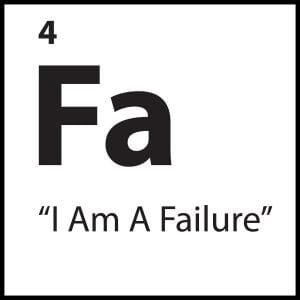
 4. “I Am A Failure”
You don’t just fear failure — you expect it.
This belief doesn’t whisper; it narrates everything.
It tells you not to try because it “won’t work anyway.”
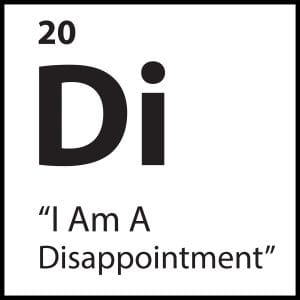
It tells you effort is dangerous — because failure isn’t just a result, it’s an identity. 20. “I Am A Disappointment”
This belief doesn’t just weigh on you — it shapes how you move through every interaction.
You don’t want to let people down.
But underneath that?
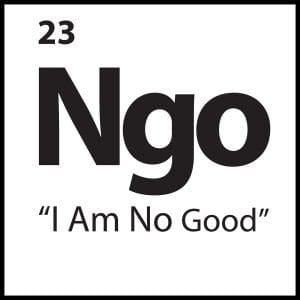
You already believe you will. 23. “I Am No Good”
This Belief Doesn’t Just Hurt — It Condemns You.
“I Am No Good” is different from feeling guilty for what you’ve done.
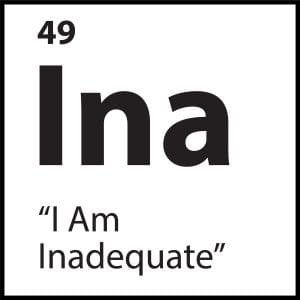
It’s the belief that who you are — at the core — is wrong, bad, or harmful. 49. “I Am Inadequate”
You’ve probably heard “do your best — that’s enough.”
But when this belief is active, enough is never actually enough.
“I Am Inadequate” isn’t about effort. It’s about identity.
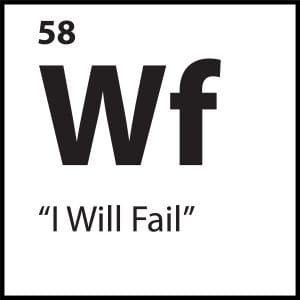
It says: “No matter what I do, I’ll never measure up.” 58. “I Will Fail”
You’ve probably heard “failure is part of success.”
But when this belief is active, failure doesn’t feel temporary—it feels inevitable.
“I Will Fail” isn’t just doubt about a specific goal or task.
It says: “No matter what I try, ultimately, it’s going to collapse.”
When this loop becomes your internal script, the fear of failing can paralyze you before you even begin. 65. “I Am Mediocre”
You’ve probably heard “average isn’t a bad thing.”
But when this belief is active, average doesn’t feel acceptable—it feels shameful.
“I Am Mediocre” isn’t about lacking extraordinary talent.
It says: “I’m not good enough at anything to be special or truly valued.”
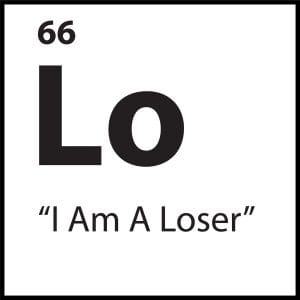
When this belief defines your self-perception, even your genuine achievements feel diminished, reinforcing your internal sense of never being enough. 66. “I Am A Loser”
You’ve probably heard “everyone wins and loses sometimes.”
But when this belief is active, you don’t just experience losses—you feel defined by them.
“I Am a Loser” isn’t about occasionally coming up short.
It says: “Failure is who I am, not something I experience.”
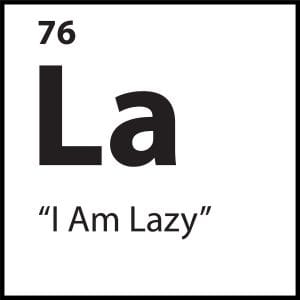
When this belief shapes your self-image, every challenge feels overwhelming, reinforcing your internal identity as incapable and defeated. 76. “I Am Lazy”
You’ve probably heard “you just need more discipline.”
But when this belief is active, effort doesn’t feel motivating—it feels humiliating.
“I Am Lazy” isn’t just about not doing enough.
It says: “There’s something inherently wrong with me. I lack the drive, willpower, or worthiness to try.”
This belief makes rest feel undeserved, effort feel futile, and self-respect nearly impossible.

Dependence / Incompetence
Feeling incapable, slow, or unable to cope without someone else to lean on.
Examples of beliefs in this Lifetrap:
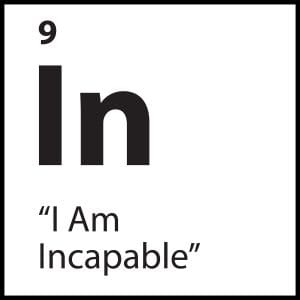
 9. “I Am Incapable”
This belief doesn’t sound loud — it settles in like fog.
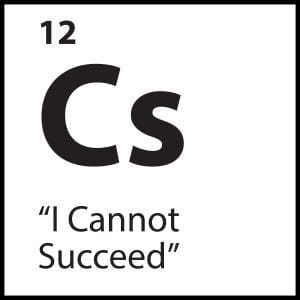
When “I Am Incapable” is running the system, tasks feel heavier, decisions feel harder, and even small actions trigger internal shutdown. You don’t just feel overwhelmed — you feel like you were never built to handle life the way others can. 12. “I Cannot Succeed”
This belief doesn’t whisper doubt — it declares defeat.
When “I Cannot Succeed” is running the show, effort feels pointless.
You might start strong, but the deeper pattern says:
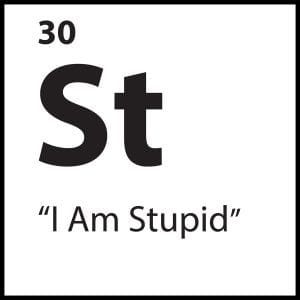
“No matter what I do, it won’t work.” 30. “I Am Stupid”
This Belief Doesn’t Just Humiliate You — It Silences You.
“I Am Stupid” doesn’t always show up as insecurity.
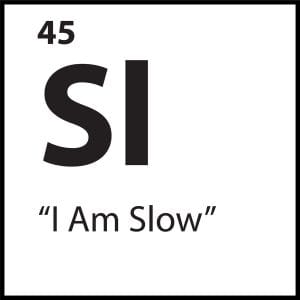
It shows up as silence, hesitation, and avoidance. 45. “I Am Slow”
You’ve probably heard the phrase “everyone moves at their own pace.”
But when this belief is active, it doesn’t feel that way.
“I Am Slow” isn’t about patience — it’s about identity.
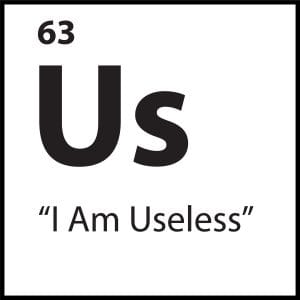
This belief says: “I’m behind... I can’t keep up.” 63. “I Am Useless”
You’ve probably heard “everyone has something to offer.”
But when this belief is active, you don’t see your own contributions—you see yourself as inherently without value.
“I Am Useless” isn’t about lacking a specific skill or talent.
It says: “I don’t have anything meaningful to offer; I bring nothing to the table.”
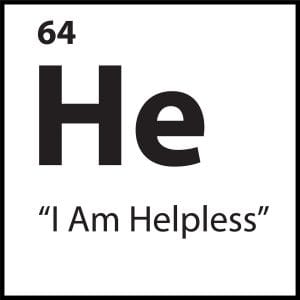
When this belief defines you, you shrink away from opportunities, convinced your presence adds no value. 64. “I Am Helpless”
You’ve probably heard “you’re stronger than you think.”
But when this belief is active, you don’t see your own strength—you feel fundamentally powerless.
“I Am Helpless” isn’t about occasionally needing support or guidance.
It says: “I have no control over my life or outcomes; I can’t effectively influence anything.”
When this belief shapes your reality, your sense of agency diminishes, leaving you feeling trapped and powerless.
Vulnerability to Harm
Living as though danger is just around the corner—always scanning for the next bad thing.
Examples of beliefs in this Lifetrap:
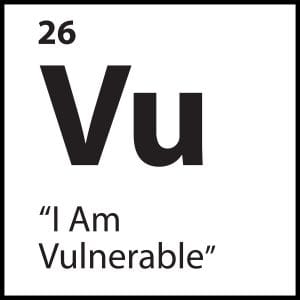
 26. “I Am Vulnerable”
This Belief Doesn’t Just Scare You — It Keeps You Braced.
When “I Am Vulnerable” takes root, it doesn’t show up as fear — it shows up as control.
Hyper-planning. Over-researching. Constant scanning.
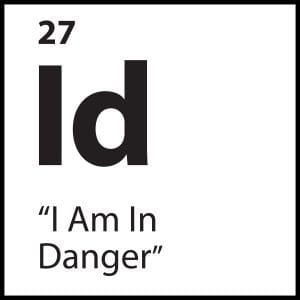
Not because you’re weak, but because your nervous system doesn’t believe the world is safe. 27. “I Am In Danger”
This Belief Doesn’t Just Alarm You — It Hijacks You.
“I Am In Danger” isn’t just about panic attacks or fear.
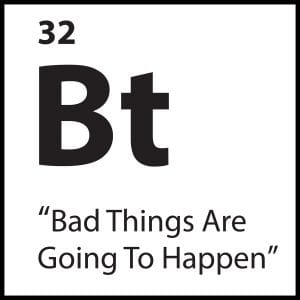
It’s about the feeling that at any moment, something terrible could happen — and you won’t be able to stop it. 32. “Bad Things Are Going To Happen”
This Belief Doesn’t Just Worry You — It Haunts You.
The belief “Bad Things Are Going To Happen” isn’t about logic — it’s about felt threat.
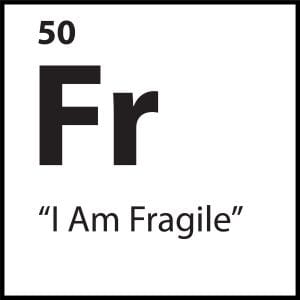
Even when things are good, part of you is bracing for the drop. 50. “I Am Fragile”
You’ve probably heard “what doesn’t kill you makes you stronger.”
But when this belief is active, it feels like even small things might kill you.
“I Am Fragile” doesn’t mean you’re weak — it means your system is constantly bracing for collapse.
It says: “I can’t handle pressure, intensity, or difficulty without breaking down.”
Enmeshment / Undeveloped Self
Losing track of your own needs, preferences, or identity because they’ve been fused with someone else’s.
Examples of beliefs in this Lifetrap:
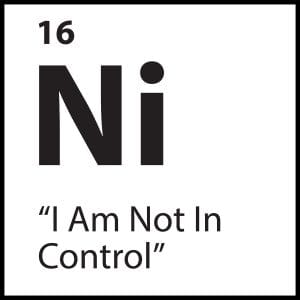
 16. “I Am Not in Control”
This belief doesn’t just create stress — it creates collapse.
You don’t just feel like things are out of your hands. You believe they always have been.
So you disengage. You tolerate. You wait for impact.
Because if you’re not in control, why try? Why speak? Why fight back?
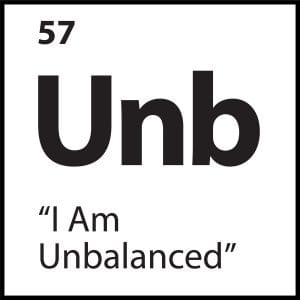
This isn’t surrender — it’s learned futility, and it can shape your whole identity. 57. “I Am Unbalanced”
You’ve probably heard “everyone has their ups and downs.”
But when this belief is active, it doesn’t feel like normal fluctuation—it feels like instability.
“I Am Unbalanced” isn’t about having emotional days or tough phases.
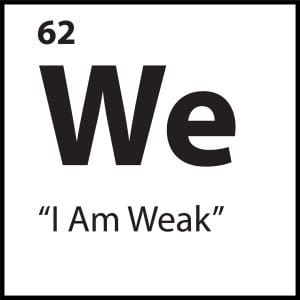
It says: “I can’t trust myself to stay steady. I’m always on the edge of losing control.” 62. “I Am Weak”
You’ve probably heard “everyone has strengths and weaknesses.”
But when this belief is active, you don’t see yourself as having weaknesses—you see yourself as fundamentally weak.
“I Am Weak” isn’t about occasional vulnerability or struggle.
It says: “I don’t have the strength or capability to handle life’s challenges.”
Important: This library is intended for education and self-reflection only. It does not provide a diagnosis, and it’s not a substitute for working with a qualified mental health professional.
How Identity-Level Therapy Works with Limiting Beliefs
Mapping beliefs is the first step. In therapy, we don’t just name the pattern—we focus on the identity-level loops that seem to keep it active, using structured exercises that are intended to help your nervous system update old rules that no longer fit your current life.
1. Map the Pattern
We trace how a belief—like “I Am Not Good Enough” or “I Am A Failure”—links to specific triggers, emotions, body responses, and coping moves such as overworking, avoidance, or shutdown.
2. Work at the Identity Level
We use structured exercises aimed at updating the belief at the schema level, so the nervous system can register new information about safety, worth, and control.
3. Practise New Responses
We practise new responses in-session and between sessions so shifts have a chance to show up in real life.
Want to see how this fits into the broader ShiftGrit approach?
Explore Identity-Level Therapy
