



















Identity-Level Therapy Guides
Disconnection & Rejection
Limiting Beliefs in the Disconnection & Rejection Schema Domain
This Schema Domain covers patterns where people expect rejection, criticism, or emotional distance. Beliefs in this domain often whisper that love is conditional, presence is temporary, and belonging is fragile.
The need to feel loved, safe, and accepted goes unmet—so the pattern becomes rejection-proofing.
This page maps the core Lifetraps and limiting beliefs inside this Schema Domain—so you can see how identity-level patterns are structured and how they may be showing up in perfectionism, shutdown, overfunctioning, or anxiety.
Many people find it helpful to have language for what has felt like “just the way I am.” Naming the pattern is not the same as diagnosing it, but it can create a clearer starting point for change.
Looking for the full Limiting Belief Library? Jump to this domain inside the Core Beliefs Library or explore the full map at /core-beliefs/.
Lifetraps in Disconnection & Rejection
Each Lifetrap is a recurring pattern between what you expect, how you feel, and how you cope. Below are the Lifetraps in this domain and some of the beliefs that often sit underneath them.
Defectiveness / Shame
Shame-based beliefs about being fundamentally flawed, bad, or unlovable.
Examples of beliefs in this Lifetrap:
 3. “I Am Unwanted”
This belief turns every task into a test.
When “I Am Unwanted” is running the system, you stop being a person — and start being a product. You feel like your value is up for re-evaluation every single day, depending on what you did, achieved, or delivered.
You’re not just trying to be your best. You’re trying to be enough to keep belonging. 7. “I Am Nothing”
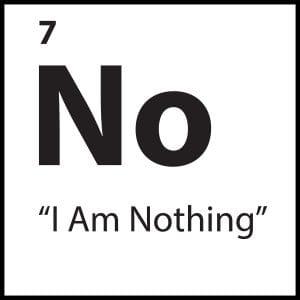
This belief doesn’t feel like sadness — it feels like emptiness.
When “I Am Nothing” is active, you don’t just feel unimportant…
You feel invisible.
Unmoored. Like you never fully formed. 10. “I Am Wrong”
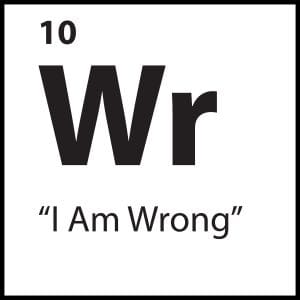
This belief doesn’t start as aggression — it starts as armour.
When “I Am Wrong” runs your system, you live in a posture of protection.
You’re bracing for challenge. Prepping for judgment.
And when people misinterpret you? You shrink. You fawn. Or you snap. 14. “I Am Cursed”
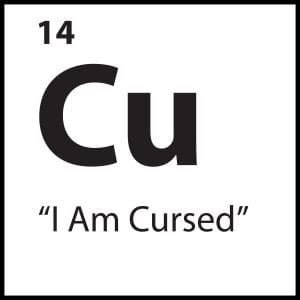
This belief isn’t just emotional — it’s existential.
When “I Am Cursed” runs in the background, life doesn’t just feel hard — it feels doomed.
You brace for loss. You expect betrayal. You carry a sense that something bad is bound to happen — especially if things are going well. 15. “I Am Unacceptable”
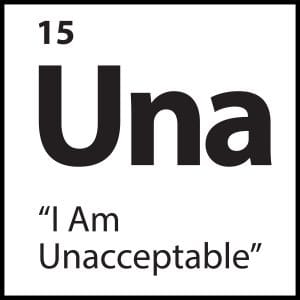
This belief doesn’t feel like rebellion — it feels like rejection before you’ve even shown up.
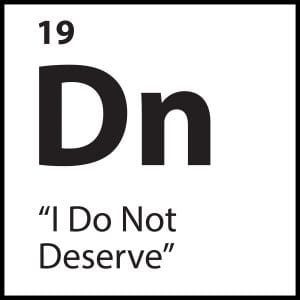
You edit yourself in real time. You anticipate being judged. You’re constantly monitoring for what parts of you will get you pushed away. 19. “I Do Not Deserve”
This belief doesn’t just block pleasure — it blocks reception.
When “I Do Not Deserve” runs beneath your system, good things feel dangerous.
Compliments make you uncomfortable.
Help feels like a debt.
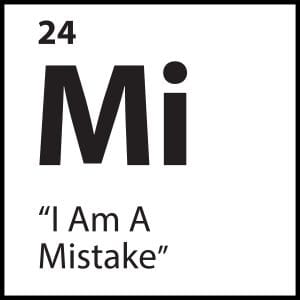
And every time something kind enters your life… your nervous system flinches. 24. “I Am a Mistake”
When someone believes “I Am A Mistake,” it isn’t about something they did — it’s about who they are.
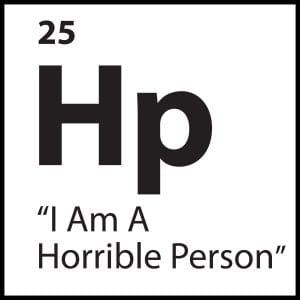
Not broken. Not flawed. But fundamentally wrong. 25. “I Am A Horrible Person”
This Belief Doesn’t Just Shame You — It Condemns You.
The belief “I Am A Horrible Person” isn’t about something you did wrong.
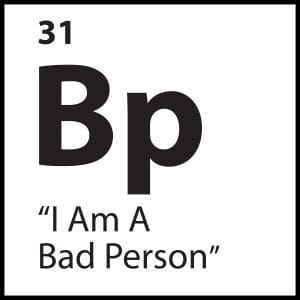
It’s the identity-level belief that you are wrong — that you cause harm, hurt others, and that your presence is inherently dangerous or toxic. 31. “I Am a Bad Person”
This Belief Doesn’t Just Shame You — It Judges You.
The belief “I Am A Bad Person” doesn’t always feel dramatic.
Sometimes, it sounds like:
“I should’ve known better.”
“I always mess things up.”
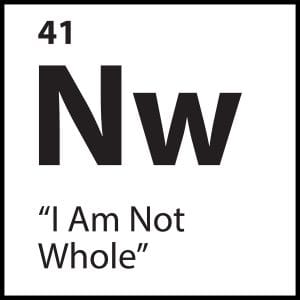
“It’s my fault.” 41. “I Am Not Whole”
This Belief Doesn’t Whisper — It Dissolves.
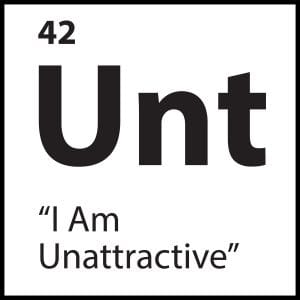
“I Am Not Whole” doesn’t show up as a shout. It’s the slow erosion of self-worth. A quiet sense that something essential is missing. 42. “I Am Unattractive”
This Belief Doesn’t Just Criticize — It Defines.
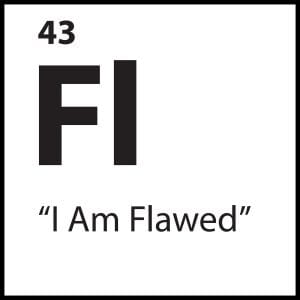
“I Am Unattractive” doesn’t just mean you dislike your appearance. It means you’ve internalized the belief that you are less than in how you show up visually, sexually, socially, or energetically. 43. “I Am Flawed”
This Belief Doesn’t Just Hurt — It Hides.
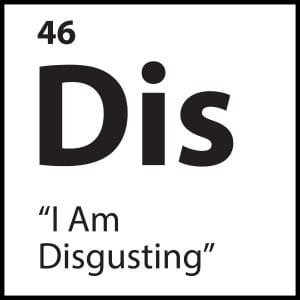
“I Am Flawed” doesn’t scream. It crouches. It scans. It edits. It teaches your nervous system to pre-empt rejection by never being fully seen. 46. “I Am Disgusting”
You’ve probably heard the phrase “you’re your own worst critic.”
But when this belief is active, the criticism runs much deeper.
“I Am Disgusting” isn’t about appearance — it’s about identity.
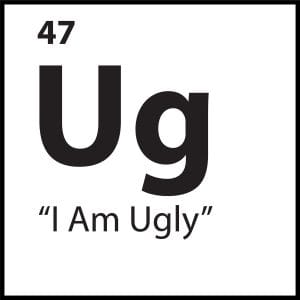
This belief says: “There’s something about me that’s inherently repulsive.” 47. “I Am Ugly”
You’ve probably heard “beauty is in the eye of the beholder.”
But when this belief is active, no compliment can get through.
“I Am Ugly” isn’t just a passing insecurity — it’s an identity.
It says: “I’m flawed in a way that makes me unworthy of being seen or chosen.”
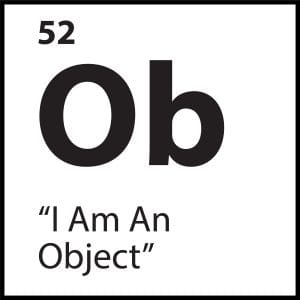
And once this loop takes hold, it distorts how you show up, connect, and even care for yourself. 52. “I Am An Object”
You’ve probably heard “you’re a whole person, not a role.”
But when this belief is active, it feels like you exist to serve a function — not to be understood.
“I Am an Object” doesn’t just feel dehumanizing.
It says: “My worth is tied to what I provide — not who I am.”
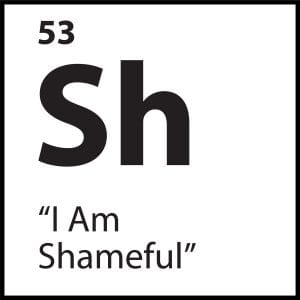
When this loop is active, your identity flattens. Your preferences disappear. You become a tool, not a person. 53. “I Am Shameful”
You’ve probably heard “everyone makes mistakes.”
But when this belief is active, it feels like you are the mistake.
“I Am Shameful” isn’t just embarrassment about something you did.
It says: “There’s something fundamentally wrong with who I am.”
Once internalized, shame distorts everything from self-worth to intimacy — leaving you stuck in a constant apology for existing. 54. “I Am Unclean”
You’ve probably heard “no one’s perfect.”
But when this belief is active, it doesn’t feel like perfection is the issue—it feels like contamination.
“I Am Unclean” goes deeper than hygiene or appearance.
It says: “There’s something inherently impure or spoiled about who I am.”
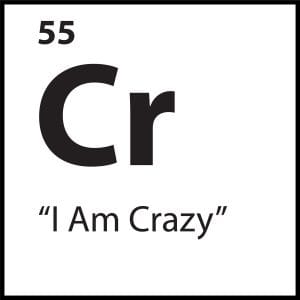
When this loop runs unchecked, your entire identity can feel tainted, untouchable, or unsafe. 55. “I Am Crazy”
You’ve probably heard “everyone has their quirks.”
But when this belief is active, it doesn’t feel quirky—it feels destabilizing.
“I Am Crazy” isn’t about eccentricity.
It says: “My mind can’t be trusted. My perceptions aren’t real. I’m out of control.”
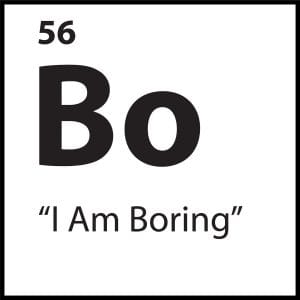
When this loop runs deep, even your own thoughts and feelings start to feel like threats. 56. “I Am Boring”
You’ve probably heard “everyone’s interesting in their own way.”
But when this belief is active, it doesn’t feel that way—it feels like your personality is flatlining.
“I Am Boring” isn’t about having a quiet personality or simple interests.
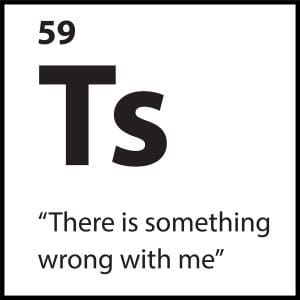
It says: “Nothing about me is engaging or worth knowing. People won’t want to stay around.” 59. “There Is Something Wrong With Me”
You’ve probably heard “nobody’s perfect.”
But when this belief is active, it feels deeper than imperfection—it feels like an inherent flaw.
“There Is Something Wrong With Me” isn’t about minor quirks or mistakes.
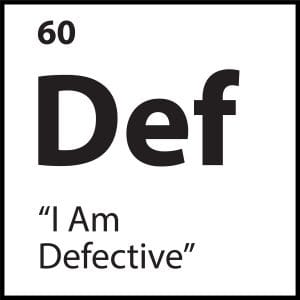
It says: “Deep down, I’m fundamentally defective or damaged.” 60. “I Am Defective”
You’ve probably heard “everyone has their flaws.”
But when this belief is active, your flaws don’t feel minor—they feel fundamental.
“I Am Defective” goes beyond insecurities about personality or performance.
It says: “There’s something inherently wrong or broken about me that makes me unworthy.”
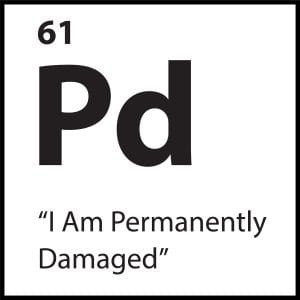
When this loop is active, every interaction feels risky, as if others might uncover your deepest, hidden flaw. 61. “I Am Permanently Damaged”
You’ve probably heard “time heals all wounds.”
But when this belief is active, it doesn’t feel that way—it feels like your wounds define you.
“I Am Permanently Damaged” isn’t about having past trauma or struggles.
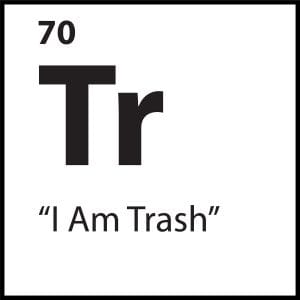
It says: “My past has broken me beyond repair. I’m irreversibly harmed.” 70. “I Am Trash”
You’ve probably heard “everyone has value.”
But when this belief is active, you don’t feel valuable—you feel disposable.
“I Am Trash” isn’t about occasional mistakes or self-doubt.
It says: “I am fundamentally worthless and deserving of rejection or disposal.”
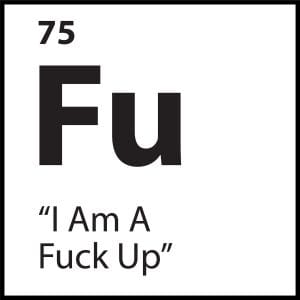
When this belief defines your self-image, feelings of shame and worthlessness permeate your interactions and limit your potential for genuine connection. 75. “I Am A F*ck Up”
You’ve probably heard “everyone makes mistakes.”
But when this belief is active, your identity becomes fused with failure.
“I Am A F*ck Up” isn’t about occasional slip-ups.
It says: “No matter what I do, I’ll mess it up—I’m fundamentally broken, flawed, or destined to fail.”
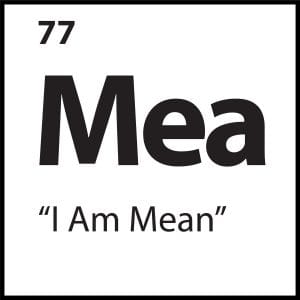
This belief doesn’t just lower confidence—it turns every setback into proof of your worthlessness. 77. “I Am Mean”
You’ve probably heard “be kind.”
But when this belief is active, kindness becomes a performance—and anger becomes evidence that you’re a bad person.
“I Am Mean” doesn’t just suggest you’re harsh.
It says: “My emotions, boundaries, or reactions hurt people—I’m inherently unkind.”
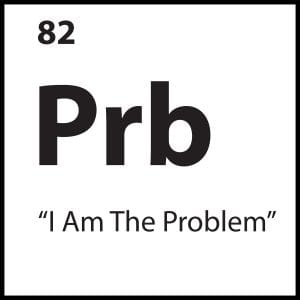
This belief warps how you handle conflict, guilt, and even your own protection instincts. 82. “I Am The Problem”
You want to take responsibility.
But when this belief is active, everything becomes your fault.
“I Am The Problem” doesn’t just accept accountability.
It absorbs blame.
Conflict? You caused it.
Tension? You triggered it.
Someone’s mood shift? That’s on you.
So you over-correct. Over-function. Over-apologize.
And carry weight that was never entirely yours.

Emotional Deprivation
The sense that your emotional needs will never really be seen, met, or understood.
Examples of beliefs in this Lifetrap:
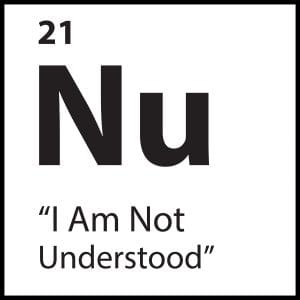
 21. “I Am Not Understood”
This belief doesn’t scream for attention — it quietly resigns.
“I Am Not Understood” doesn’t mean you’re silent.
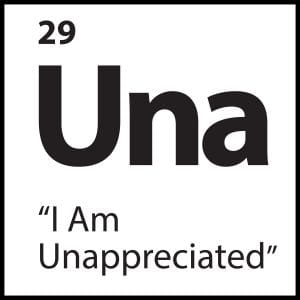
It means you’ve learned that saying it won’t matter. 29. “I Am Unappreciated”
This Belief Doesn’t Just Frustrate You — It Empties You.
The belief “I Am Unappreciated” doesn’t always sound dramatic.
It builds slowly — through sighs, silences, and missed thank-yous.
You show up. You give. You go the extra mile.
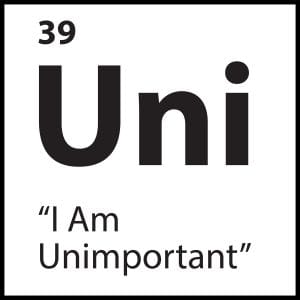
And over time, it feels like no one even notices. 39. “I Am Unimportant”
This Belief Doesn’t Just Diminish You — It Shrinks Your Voice.
The belief “I Am Unimportant” doesn’t mean you think you don’t exist.
It means you’ve learned: your needs can wait. Your ideas don’t carry weight.
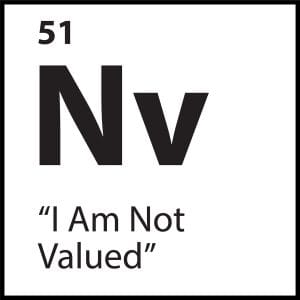
You’re the support crew — not the story. 51. “I Am Not Valued”
You’ve probably heard “you matter.”
But when this belief is active, it feels like everyone else does — except you.
“I Am Not Valued” isn’t just about being under-appreciated.
It’s about believing that your presence, perspective, or needs don’t carry weight.
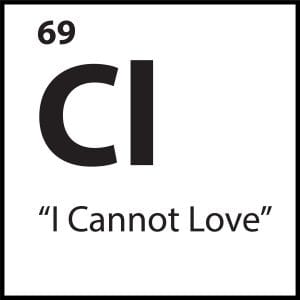
It says: “I’m replaceable. What I bring isn’t important.” 69. “I Cannot Love”
You’ve probably heard “everyone deserves love.”
But when this belief is active, love feels unattainable—not because others don’t deserve it, but because you feel incapable of giving or receiving it.
“I Cannot Love” isn’t about occasional struggles with intimacy.
It says: “I am fundamentally unable to form or sustain loving connections.”
Social Isolation / Alienation
Feeling like an outsider—different, invisible, or like you never quite belong.
Examples of beliefs in this Lifetrap:
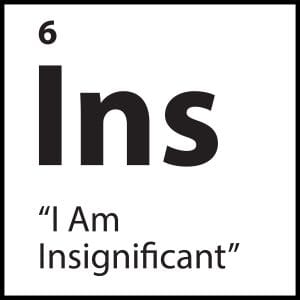
 6. “I Am Insignificant”
This belief doesn’t just feel small — it makes you small.
When “I Am Insignificant” drives your inner world, your nervous system treats attention as accidental and belonging as conditional.
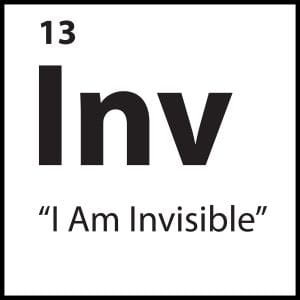
You don’t expect to be remembered, chosen, or prioritized — and when you are, it feels like a mistake. 13. “I Am Invisible”
This belief doesn’t feel loud. It feels like silence.
It’s the sense that no one really sees you — not fully. That you’re present, but unnoticed. Needed, but not known.
You don’t just feel ignored. You feel like you don’t register.
And when invisibility becomes identity, you stop expecting to matter.
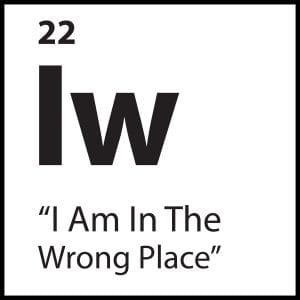
This isn’t about needing attention — it’s about learning, somewhere along the way, that you disappear easily. 22. “I Am In The Wrong Place”
When “I Am In The Wrong Place” takes root, it doesn’t always shout.
It shows up as an itch to escape.
A restless scanning for exits.
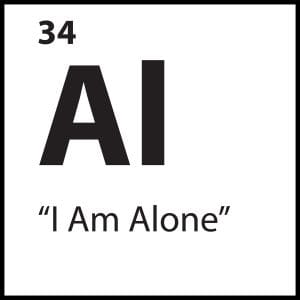
A life that looks fine on paper — but feels misaligned. 34. “I Am Alone”
This Belief Doesn’t Just Isolate You — It Follows You.
“I Am Alone” isn’t always literal.
It’s the belief that no one will really show up.
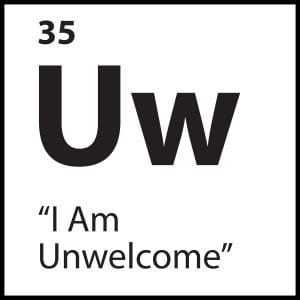
That you’re on your own — emotionally, logistically, relationally. 35. “I Am Unwelcome”
This Belief Doesn’t Just Reject You — It Erases You.
The belief “I Am Unwelcome” doesn’t always feel like a door slammed shut.
It often feels like one that was never opened.
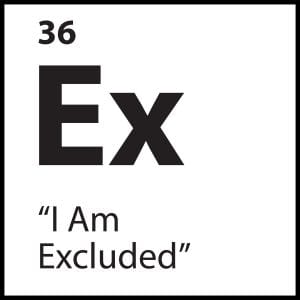
Like walking into a room and instantly questioning whether you should’ve come at all. 36. “I Am Excluded”
This Belief Doesn’t Just Isolate You — It Silences You.
“I Am Excluded” isn’t always loud.
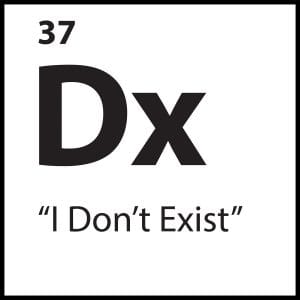
It’s the quiet feeling of not being part of things — without anyone ever saying it out loud. 37. “I Don’t Exist”
This Belief Doesn’t Just Hide You — It Erases You.
The belief “I Don’t Exist” isn’t about death — it’s about erasure.
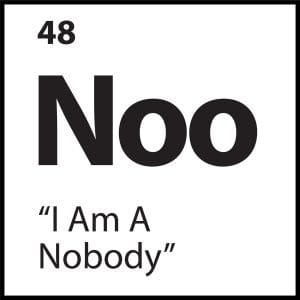
It’s the deep nervous system conviction that you are not seen, not felt, and not real to others. 48. “I Am A Nobody”
You’ve probably heard “everyone matters.”
But when this belief is active, that feels like it applies to everyone except you.
“I Am a Nobody” isn’t just about being overlooked — it’s about feeling invisible at your core.
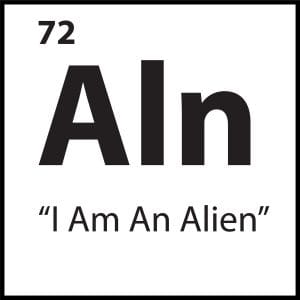
It says: “No one sees me. I don’t count. I’m nothing special.” 72. “I Am An Alien”
You’ve probably heard “everyone feels out of place sometimes.”
But when this belief is active, you don’t just feel occasionally misplaced—you feel fundamentally different, isolated, and misunderstood.
“I Am An Alien” isn’t about temporary loneliness or discomfort.
It says: “I’m inherently unlike everyone else. I don’t belong anywhere.”
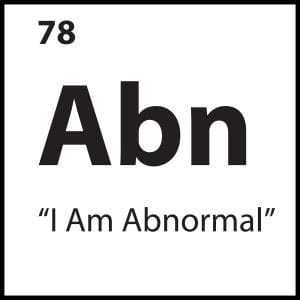
When this belief shapes your reality, social connections feel distant and unreachable, leaving you feeling perpetually isolated. 78. “I Am Abnormal”
You’ve probably been told “everyone’s different.”
But when this belief is active, different doesn’t mean unique—it means defective.
“I Am Abnormal” doesn’t just suggest you stand out.
It says: “There’s something fundamentally off about me.”
So you monitor yourself. Mask yourself. Compare constantly.
And every neutral moment becomes proof you don’t belong.
Abandonment / Instability
Chronic fear that people will leave, change, or become unavailable without warning.
Examples of beliefs in this Lifetrap:
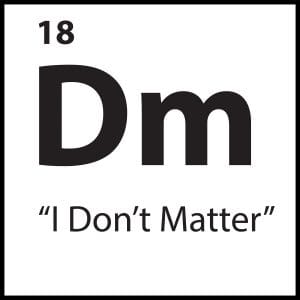
 18. “I Don’t Matter”
This belief doesn’t scream. It erodes.
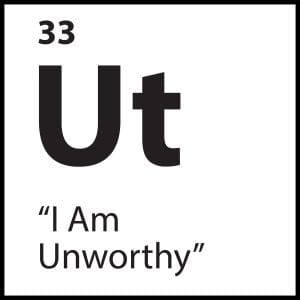
When “I Don’t Matter” runs in your system, your presence starts to feel optional — even to you. You don’t speak up because you don’t expect to be heard. You don’t ask for more because you’ve already decided you don’t deserve it. 33. “I Am Unworthy”
The belief “I Am Unworthy” isn’t about what you’ve done.
It’s about who you think you are — deep down.
It tells you love must be earned.
That praise is a mistake.
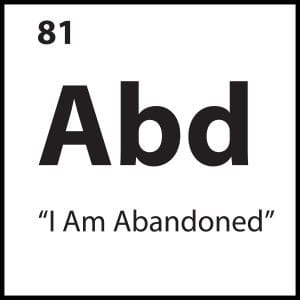
That if people knew the truth, they’d take it all back. 81. “I Am Abandoned”
You may know people care.
But when this belief is active, closeness feels temporary.
“I Am Abandoned” doesn’t just fear distance.
It expects it.
A delayed text becomes proof.
A change in tone becomes confirmation.
And love feels fragile—even when it’s stable.
So you cling. Or you pull away first.
Mistrust / Abuse
Expecting others to hurt, exploit, or blame you—and bracing for impact.
Examples of beliefs in this Lifetrap:
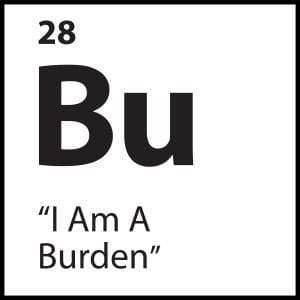
 28. “I Am a Burden”
This Belief Doesn’t Just Weigh You Down — It Shrinks You.
The belief “I Am A Burden” doesn’t show up as selfishness — it shows up as silence.
You don’t ask for help.
You downplay what you need.
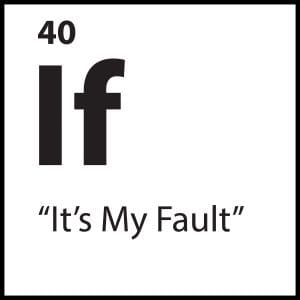
You feel guilt just for needing support. 40. “It’s My Fault”
This Belief Doesn’t Just Blame You — It Condemns You.
“It’s My Fault” is more than guilt.
It’s a reflex. A full-body default.
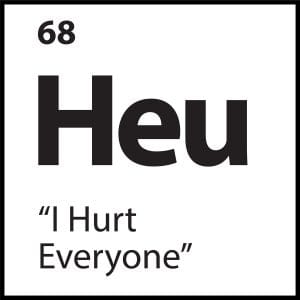
The nervous system assumes: If something went wrong, I must’ve caused it. 68. “I Hurt Everyone”
You’ve probably heard “no one’s perfect in relationships.”
But when this belief is active, imperfection feels devastating—it feels like you're harmful.
“I Hurt Everyone” isn’t just about occasionally letting people down.
It says: “I’m inherently harmful; people are better off without me.”
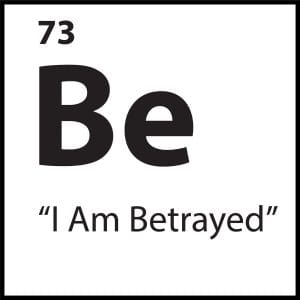
When this belief shapes your interactions, relationships become minefields, leaving you isolated and fearful of causing harm. 73. “I Am Betrayed”
You’ve probably heard “trust takes time.”
But when this belief is active, trust doesn’t just feel slow—it feels impossible.
“I Am Betrayed” isn’t simply about occasional disappointments.
It says: “People will inevitably deceive or hurt me; betrayal is always just around the corner.”
When this belief governs your interactions, relationships become cautious, distant, and marked by persistent distrust.
Important: This library is intended for education and self-reflection only. It does not provide a diagnosis, and it’s not a substitute for working with a qualified mental health professional.
How Identity-Level Therapy Works with Limiting Beliefs
Mapping beliefs is the first step. In therapy, we don’t just name the pattern—we focus on the identity-level loops that seem to keep it active, using structured exercises that are intended to help your nervous system update old rules that no longer fit your current life.
1. Map the Pattern
We trace how a belief—like “I Am Not Good Enough” or “I Am A Failure”—links to specific triggers, emotions, body responses, and coping moves such as overworking, avoidance, or shutdown.
2. Work at the Identity Level
We use structured exercises aimed at updating the belief at the schema level, so the nervous system can register new information about safety, worth, and control.
3. Practise New Responses
We practise new responses in-session and between sessions so shifts have a chance to show up in real life.
Want to see how this fits into the broader ShiftGrit approach?
Explore Identity-Level Therapy
