“I Am Wrong”

This belief doesn’t shout — it whispers.
Every time you second-guess yourself.
Every time you default to “they must be right.”
Every time you apologize for just… existing.

“I Am Wrong” isn’t about being incorrect — it’s about identity.
It’s the quiet, chronic sense that something about you is flawed — not just what you do, but who you are.


What It Sounds Like Internally:

  • “Why can’t I just get it right?”
  • “I must have misunderstood.”
  • “There’s something off about me.”

Where It Shows Up:

  • Constantly second-guessing your opinions or actions
  • Apologizing even when you haven’t done anything wrong
  • Avoiding conflict because you assume you’ll be invalidated
  • Feeling like you’re always the one who has to adjust

Common Emotional Triggers:

This belief doesn’t just cause self-doubt. It creates a nervous system that braces for correction, punishment, or exposure, even in neutral settings.

  • Being Corrected (Even Gently). A small factual correction, tone note, or suggestion can feel like a personal attack, reinforcing a shame spiral.
  • Conflict or Disagreement. Any differing opinion may instantly register as evidence that you must be wrong, often followed by over-apologising or shutting down.
  • Being Asked to Explain Yourself. When someone asks “why?” or “what do you mean?” it can feel like interrogation, triggering panic or confusion.
  • Speaking in Front of Others. Presenting, teaching, or even casual sharing can activate fear that you’ll say something stupid or be proven wrong.
  • Authority Figures or Experts. Doctors, teachers, bosses, anyone with perceived authority, may trigger a default “they’re right, I’m wrong” response.
  • Having a Different View or Preference. Even harmless differences (e.g., taste in food, politics, parenting) may spark guilt, anxiety, or internal collapse.

This belief wires you to equate being mistaken with being unworthy. Blurring the line between error and identity.


What It Can Lead To:

Unchecked, this belief often evolves into:

  • “If I speak up, I’ll be exposed.”
  • “They’ll see I’m not actually who they think I am.”
  • “My feelings aren’t valid.”

What Therapy Targets:

We don’t just help you “believe in yourself.”
We rewire the survival loop that flags self-expression as a threat.

Through Pattern Reconditioning, we help you trust your own voice — even when it’s different from the room you’re in.

👉 Explore the Therapy Approach →

👉 See the Full Pattern Breakdown →

ShiftGrit Glossary


“I Am A Failure”

This belief doesn’t just sting — it settles in.

It’s not about failing at something. It’s about being a failure. Even when you succeed, it doesn’t feel like it counts. You’re waiting to be found out, waiting for it all to collapse.

This belief becomes the lens — and everything you do gets filtered through it.


What It Sounds Like Internally:

  • “It’s only a matter of time before I mess it up.”
  • “They overestimated me.”
  • “Nothing I do really works out.”

Where It Shows Up:

  • Procrastination from fear of doing it wrong
  • Overcompensating by working harder, longer, or without breaks
  • Downplaying success or brushing off praise
  • Avoiding risks because the stakes feel too high

Common Emotional Triggers:

This belief doesn’t just surface after mistakes. It quietly reinterprets your entire identity through the lens of inadequacy and collapse.

  • Making a Mistake (Big or Small). Even minor errors can feel like total defeat, triggering shame, rumination, or spirals of self-criticism.
  • Not Meeting Goals or Deadlines. Missing a mark, even an internal one, may feel like evidence that you’re fundamentally incapable.
  • Feedback or Evaluation. Performance reviews, report cards, or even a neutral “note” can trigger panic, embarrassment, or dread.
  • Seeing Others Succeed. Achievement in others may feel like a mirror of your shortcomings, reinforcing the internal belief you’re behind.
  • Trying Something New. Any risk of failure, starting a business, learning a skill, dating, can provoke avoidance or pre-emptive shutdown.
  • Being Asked About Progress. Questions like “How’s it going?” or “What’s next?” may create defensiveness, guilt, or the urge to withdraw.

This belief turns effort into threat. Making progress feel dangerous, because any imperfection “proves” what you already fear: you’re not enough.


What It Can Lead To:

Unchecked, this belief often evolves into:

  • “If I can’t do it perfectly, I shouldn’t do it at all.”
  • “Other people are just more capable.”
  • “I’ll never catch up.”

Instead of being a bump in the road, failure becomes an identity — something you carry, not something you learn from.


What Therapy Targets:

We don’t just help you cope with the fear of failure. We rewire the belief at the root of it.

With Pattern Reconditioning, therapy helps you respond to failure — and success — with self-trust instead of self-sabotage.

👉 Explore the Therapy Approach →

👉 See the Full Pattern Breakdown →


ShiftGrit Glossary


“I Am Unwanted”

This belief doesn’t always scream — it whispers.
It shows up in the pauses, in the hesitation before asking for help, in the way you pull back even when others invite you closer.

It’s not just a feeling of being unloved — it’s the internalized belief that your presence itself is unwelcome. And it shapes everything from how you bond to how you behave when you feel overlooked.


What It Sounds Like Internally:

  • “They only invited me out of obligation.”
  • “If I disappeared, no one would notice.”
  • “I always feel like an outsider.”

Where It Shows Up:

  • Avoiding group events or withdrawing in social settings
  • Constantly scanning for signs of exclusion or rejection
  • Playing the “easy one” in relationships to avoid being a burden
  • Feeling like affection or attention is undeserved or temporary

Common Emotional Triggers:

This belief doesn’t just make you feel left out. It convinces your nervous system that connection is conditional, temporary, or not for you.

  • Not Being Chosen. Whether it’s not being invited, not picked for a team, or not texted back, it lands like proof that you’re unwanted.
  • Delayed or Missed Responses. A read message with no reply, or a cancelled plan, can trigger an outsized wave of shame or panic.
  • People Leaving (Even Briefly). A partner going quiet, a friend moving away, or someone ending a conversation can feel like abandonment.
  • Rejection in Any Form. Romantic disinterest, job rejections, or even neutral boundaries often reinforce a deep sense of emotional exile.
  • Third-Wheel Scenarios. Feeling like an outsider in group dynamics, even if no one’s excluding you, can activate the “I don’t belong here” loop.
  • Ambiguity in Relationships. Vague responses, inconsistency, or “playing it cool” can feel intolerable, like being silently discarded.

This belief sensitises your system to perceived distance. Making any gap feel like proof you were never really wanted in the first place.


What It Can Lead To:

Unchecked, this belief often evolves into:

  • “I don’t belong anywhere.”
  • “If I need something, they’ll push me away.”
  • “I’m better off alone.”

These aren’t just thoughts — they become survival strategies. You disconnect before you can be rejected. You shrink so you don’t get pushed out.


What Therapy Targets:

We don’t try to “talk you out of” this belief. We help your nervous system stop tagging connection as a threat.

Through Pattern Reconditioning, therapy remaps your emotional response to belonging — replacing withdrawal and shame with calm confidence in your place.

👉 Explore the Therapy Approach →

👉 See the Full Pattern Breakdown →


ShiftGrit Glossary


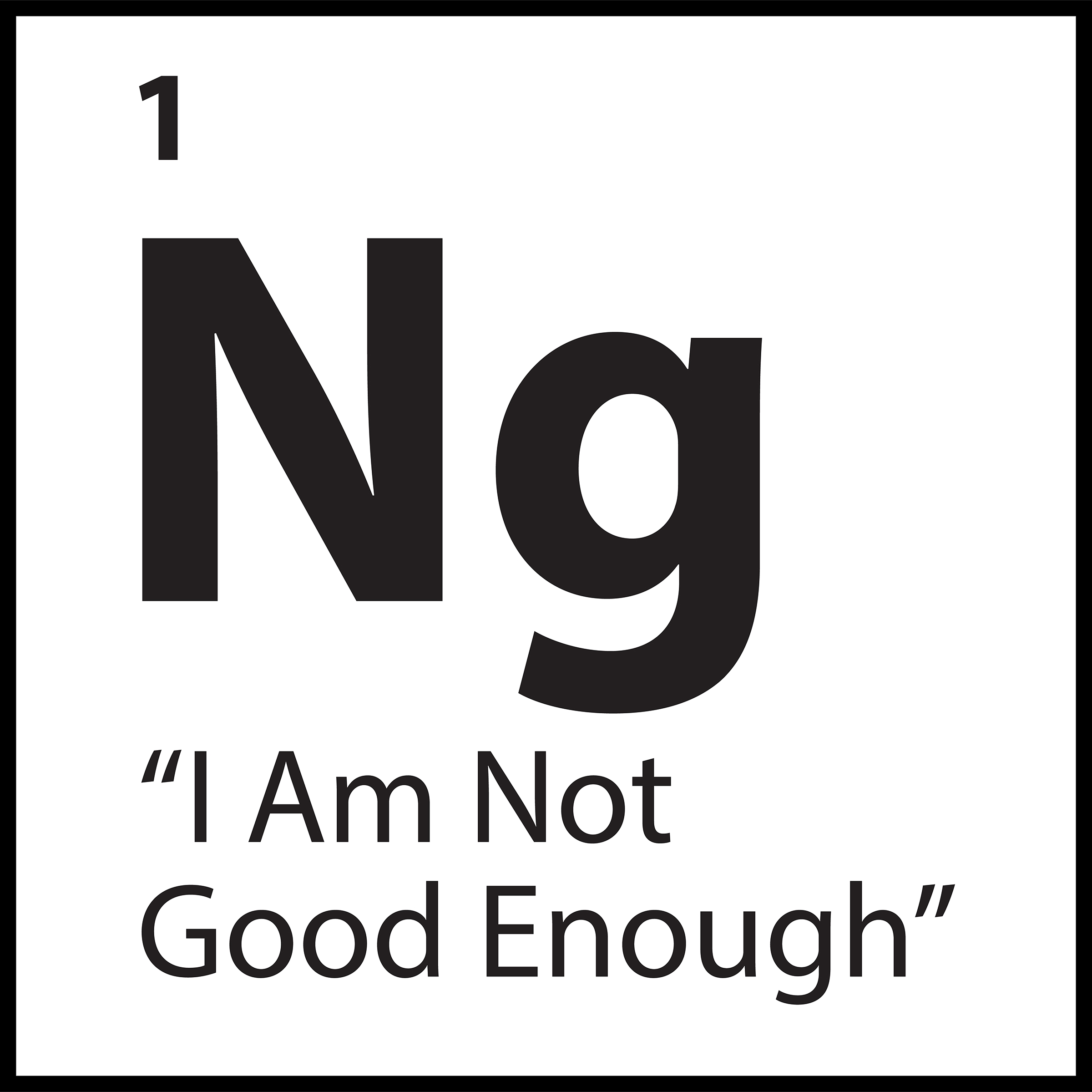
“I Am Not Good Enough”

This belief doesn’t sound dramatic when it shows up in your mind.
It sounds normal. Familiar. Safe, even. But underneath, it shapes how you show up in relationships, careers, parenting — and how much self-worth you’re allowed to feel.


What It Sounds Like Internally:

  • “I’m not doing enough.”
  • “They probably regret choosing me.”
  • “If I mess this up, everyone will know I’m not actually qualified.”

Where It Shows Up:

  • Overfunctioning in high-pressure environments
  • Perfectionism that never feels finished
  • Avoiding vulnerability, asking for help, or taking up space
  • Feeling like success is accidental — or temporary

Common Emotional Triggers:

This belief creates a performance-based self-worth loop, where every task, interaction, or outcome can feel like a test you are bound to fail. A few situations tend to set it off:

  • Negative feedback, or a lack of praise. Even mild correction, or a simply neutral response, can land as confirmation that you have failed someone.
  • Comparing yourself to others. A coworker’s success, a sibling’s path, a stranger’s social media. The comparison almost always ends with you coming up short.
  • High-stakes moments. Presentations, evaluations, and competitions can trigger panic, paralysis, or a frantic overfunctioning response.
  • Public recognition. Praise can feel unbearable rather than affirming, surfacing imposter feelings, a fear of being exposed, or shame at being seen.
  • Being overlooked or ignored. An unanswered message, being passed over, or not getting the invite can activate a deep sense of worthlessness.
  • Making a mistake. Any slip, no matter how small, can feel catastrophic, pulling you into harsh self-criticism and a spiral of shame.
  • Not meeting your own standards. Even when everyone else is satisfied, falling short of your own impossible bar can leave you feeling like a fraud.

These triggers are not about ego. They are about survival. When the brain has decided you are not good enough, it treats rejection as the inevitable next step.


Where It Comes From:

This identity-level belief usually forms where worth felt conditional. Performance-based love, unrelenting standards, or approval that arrived only with achievement teach the nervous system that being good enough is something you have to keep earning. It is not a character flaw. It is a learned response to the evidence you were handed.


What It Can Lead To:

Unchecked, this belief often evolves into:

  • “If I Don’t Perform, I’ll Be Rejected”
  • “If I Rest, I’m Failing”
  • “I Always Mess It Up Anyway”


What Therapy Targets:

We don’t “correct” this belief. We help your nervous system stop flagging success, praise, and stillness as threats.
Through Pattern Reconditioning, we remap your response to worth — from fear and avoidance, to confidence and calm.

👉 Explore the Therapy Approach →

👉 See the Full Pattern Breakdown →

Self-esteem therapy at ShiftGrit: Calgary · Edmonton · Toronto · Vancouver


ShiftGrit Psychology & Counselling - I Am not Good Enough

ShiftGrit Glossary


“I Am Inferior”

It doesn’t shout — it whispers.
Inferiority doesn’t always sound like ‘I’m the worst.’ Often, it shows up as comparison, second-guessing, or the chronic sense that others are just inherently better.
This belief roots itself in the idea that you’re not just behind — you’re beneath.


What It Sounds Like Internally:

  • “They’re just naturally more capable.”
  • “I’ll never be as good as them.”
  • “I have to prove I belong — constantly.”

Where It Shows Up:

  • Chronic self-comparison in professional or social settings
  • Avoiding opportunities that highlight skill gaps or public visibility
  • Feeling undeserving of praise, roles, or status
  • Struggling to take leadership or ownership roles

Common Emotional Triggers:

This belief doesn’t just affect self-confidence. It shapes how you interpret status, hierarchy, and your place in any room.

  • Being Around “High-Status” People. Professionals, authority figures, or confident peers may trigger feelings of unworthiness or smallness.
  • Competency-Based Situations. Job interviews, academic environments, or performance settings can quickly spiral into self-doubt or shame.
  • Receiving Help or Favouritism. Being supported or treated generously may feel undeserved, like you’re secretly fooling everyone.
  • Group Introductions or Roundtables. Comparing credentials, backstories, or experience often reinforces the sense that you don’t measure up.
  • Social Class or Appearance Gaps. Differences in clothing, speech, income, or lifestyle may trigger self-consciousness or withdrawal.
  • Being Told You’re “Too Sensitive” or “Overreacting”. Reinforces the internal story that you’re not strong or rational enough to handle life.
  • Cultural or Family Expectations. Messages about success, education, or roles you “should have” achieved may resurface in subtle shaming ways.

This belief often turns neutral difference into self-condemnation. Seeing yourself as “less than,” regardless of context or fact.


What It Can Lead To:

  • Imposter Syndrome
  • Overfunctioning to compensate for a perceived lack
  • Burnout from never feeling “caught up”
  • Social withdrawal or resentment of others’ success

What It Can Lead To:

  • Pattern Reconditioning doesn’t just give you affirmations — it targets the nervous system response that flags capability as unsafe. We rewire how your brain responds to comparison, status, and perceived inadequacy — shifting from threat to neutrality.
  • Therapy helps:
  • Uncover early comparisons or invalidations that created the belief
  • Reprocess experiences where inferiority became “proof”
  • Reinforce a new internal standard: worth isn’t earned by outdoing others

👉 Explore the Therapy Approach →

👉 See the Full Pattern Breakdown →


ShiftGrit Glossary


Non-Nurturing Elements™

Where patterns begin.

Patterns don’t come from nowhere.
They’re formed through repeated emotional experiences — often in childhood — that taught the brain what to expect from others, and from itself.

We call these experiences Non-Nurturing Elements™.
They’re not always “big-T” traumatic, but they are always emotionally formative.


What Are Non-Nurturing Elements™?

They’re patterns of interaction that shape a child’s sense of identity and emotional safety.
Common forms include:

Over time, these conditions crystallize into Limiting Beliefs — such as I Am Defective, I Am Unworthy, or I Will Fail — which influence how the brain detects and responds to perceived threat.


Examples of Non-Nurturing Elements™:

  • A parent dismissing sadness with “You’re fine” → I Am Not Understood, My Feelings Are Wrong
  • Being told “Don’t be dramatic” when expressing fear → I Am Weak, I Am Overreacting
  • Only receiving attention when achieving → I Must Perform to Be Loved, I Am a Failure (if I stop performing)
  • Having to regulate a parent’s emotions → I Am Responsible for Everyone, I Don’t Matter
  • Being punished for emotional honesty → I Am Unsafe When Vulnerable, I Will Be Rejected

These moments don’t need to be extreme to leave a lasting imprint — it’s the repetition and emotional impact that creates the belief–need–behaviour loop.


Why They Matter in Therapy

Many clients say things like:

“My childhood wasn’t that bad.”
“I don’t have any trauma.”

Yet patterned non-nurturing experiences often form the source code for identity-level distress:

  • Belief: I Am Invisible, I Am Not Valued
  • Need: I Must Prove My Worth to Deserve Care
  • Loop: If I rest or ask for help, I’ll be ignored or judged → over-working, hyper-independence, emotional numbness

By mapping these early dynamics to our Pattern Library, we trace the origin story of the pattern — and then rewire it.


How Non-Nurturing Elements Shape Core Beliefs


How ShiftGrit Works With Them

We don’t rewrite the past — we retrain the brain’s threat detection system.

Our process:

  1. Identify the non-nurturing pattern
  2. Trace the belief it formed (mapped to the Core Belief index)
  3. Recondition the emotional threat via safe imaginal exposure
  4. Rebuild the internal narrative from safety and accuracy

Results: reduced over-reactivity, burnout, people-pleasing, and deep emotional shutdown.


Example Mapping:

Repeated Invalidation → Belief: I Am Wrong, I Am Not Good Enough

Pattern: Over-explanation, apology loops, emotional suppression

After Reconditioning: Calm confidence in expressing needs without fear


Want to find the pattern behind the belief — and the belief behind the reaction?

Explore Identity Pattern Therapy
Browse our Pattern Library


Winter Blues – Seasonal Affective Disorder

As the temperature drops and the seasons transition from summer to fall into winter, our lifestyle, mood and activity drastically change as well. We go from heading to the cabin on weekends to hibernating under blankets; from heading after work to patio drinks, to nights spent in watching hours of Netflix; from bright sunny drives to work, to darkness before and after work.