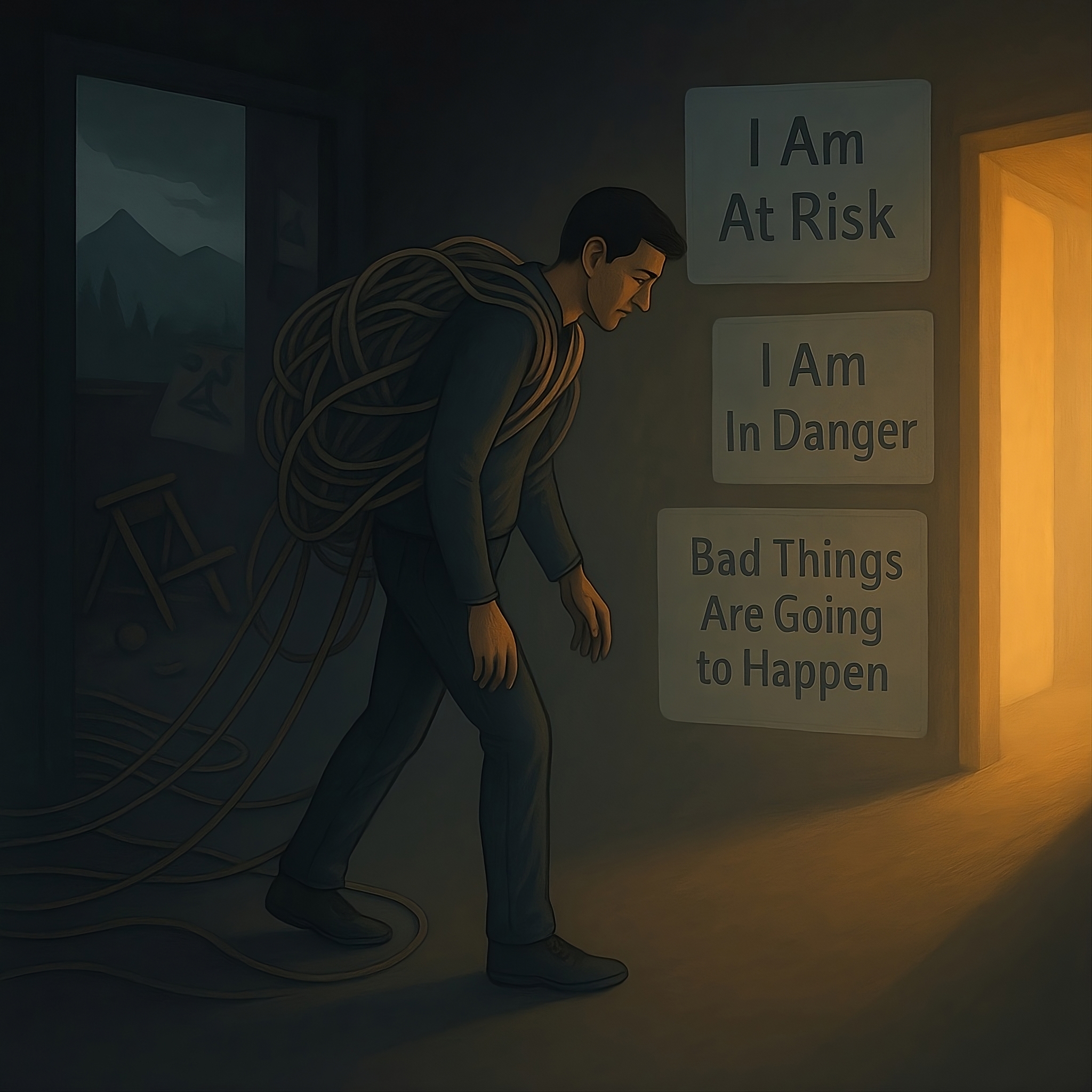
ShiftGrit Core Method™
Our structured framework for breaking outdated identity patterns.
Learn MoreAddiction usually starts as a solution. The substance or behaviour — alcohol, cannabis, cocaine, gambling, work, pornography — solved a real problem before it became one. For Calgarians dealing with addiction, the moment it stops being a solution and starts costing more than it gives is often invisible until something concrete breaks: a relationship, a job, a court appearance, a health scare.
Most clients we see have a substantial recovery history — AA/NA, SMART Recovery, outpatient treatment, sometimes residential. The 12-step framework and harm-reduction tools both have a place. What returns clients to therapy isn’t usually a failure of the program — it’s that the underlying drivers (the patterns that made the substance feel necessary in the first place) haven’t been touched. Sobriety without identity work tends to feel like a long white-knuckling.
Our clinicians work within the Identity-Level Therapy orientation, applying the ShiftGrit Core Method™ — a structured clinical system that targets the belief patterns underneath the addictive response (often some combination of “I Am Not in Control,” “I Am Helpless,” and “I Am Trapped“). We work alongside your existing recovery community, sponsor, or program, not in place of it. You’ll meet at our Mount Royal studio (815 17 Avenue SW).
Virtual sessions also available across Alberta via Jane online booking — convenient for clients managing work schedules or in step-down phases of treatment. Same-week appointments typically open.
Identity-Level Therapy targets the belief patterns and emotional loops driving automatic reactions—not just the surface symptoms. By working at the identity layer, clients shift how they interpret safety, regulate threat, and relate to themselves and others. The result: reconditioning at the root of shame, self-sabotage, reactivity, and overwhelm.
It’s organized around three pillars:
Our structured framework for breaking outdated identity patterns.
Learn More
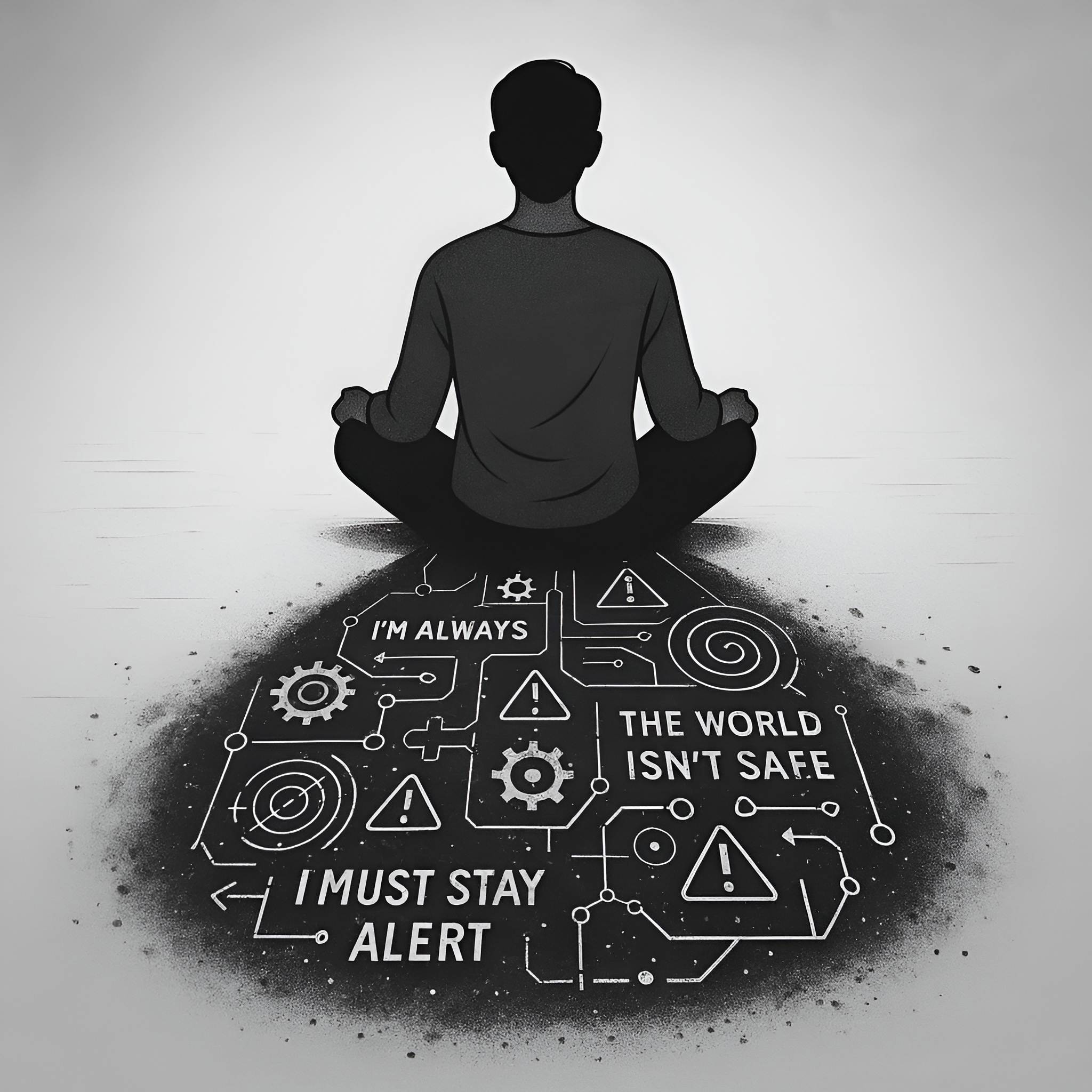
Real-world examples of loops like perfectionism, procrastination, and shutdown.
Learn More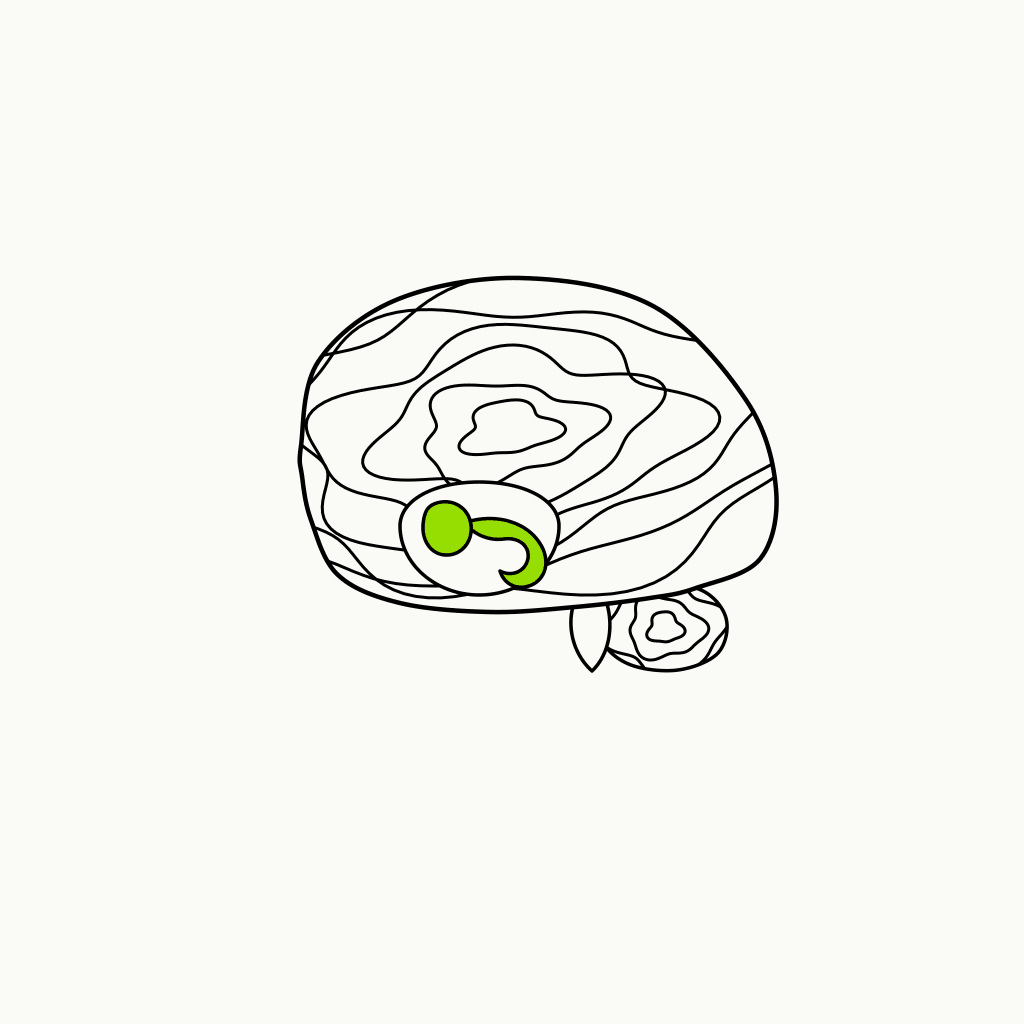
Clear definitions that keep the language sharp and the process transparent.
Learn MoreThese identity-level patterns frequently show up for clients seeking addiction therapy. Explore the beliefs to learn the “why” and how therapy can help you recondition them.

“I’m Not Good Enough” isn’t just a negative thought — it’s a pattern formed by early experiences like criticism, neglect, or impossible expectations. This belief fuels perfectionism, people-pleasing,…
Explore this belief
The belief “I Am Powerless” often forms in environments where autonomy was suppressed and safety depended on submission. It creates chronic helplessness, low agency, and difficulty asserting needs…
Explore this belief
This belief convinces you that something about you is inherently bad or broken — not just that you’ve done something wrong, but that you are wrong. It can…
Explore this beliefWant to see how these fit into the bigger pattern map? Explore our full Limiting Belief Library to browse all core beliefs by schema domain and Lifetrap.
Many of our Calgary clinicians work with addiction. Browse profiles, watch introduction videos, and book online when you're ready.
Our clinicians hold credentials recognized by the major licensing and professional bodies serving Calgary and across Canada.
ShiftGrit Psychology & Counselling is professionally regulated, certified, and recognized by leading psychology and mental-health organizations across Alberta and Canada. These associations reflect our commitment to ethical practice, clinical standards, and evidence-informed therapy through Identity-Level Therapy and Reconditioning.


Regulated and affiliated across Alberta’s leading psychology, counselling, and mental-health organizations.
Regulated and affiliated across Canada's leading psychology, counselling, and mental-health organizations.
Connect with one of our Calgary therapists. Online booking available — same-week appointments are usually possible.
Addiction is a chronic disorder characterized by the compulsive use of a substance or engagement in a behaviour despite negative consequences. Substance abuse refers to the harmful or hazardous use of substances, such as alcohol or drugs, which can lead to addiction.
The exact cause of addiction is not fully understood, but it is thought to be influenced by a combination of genetic, environmental, and psychological factors. These may include a history of trauma or abuse, mental health disorders, and certain personality traits or life circumstances.
Addiction can have serious consequences for a person’s physical and emotional health, as well as their relationships and overall quality of life. It can lead to feelings of shame, guilt, and distress, and can also increase the risk of physical health problems such as liver damage, heart disease, and overdose.
Some signs of addiction may include a strong craving for the substance or behaviour, continuing to use the substance or engage in the behaviour despite negative consequences, problems fulfilling responsibilities at work, school, or home, and using more of the substance or engaging in the behaviour over time.
Treatment for addiction typically involves a combination of therapy and medication. Cognitive-behavioural therapy (CBT) and dialectical behaviour therapy (DBT) are commonly used forms of therapy to help individuals identify and change negative thoughts and behaviors related to addiction. Medications such as naltrexone, buprenorphine, and methadone may also be helpful in reducing substance abuse and supporting recovery.
To find a therapist for addiction in Calgary, you can contact your primary care doctor or a mental health professional for recommendations, search online or through directories such as the Canadian Psychological Association’s “Find a Psychologist” tool, or ask for referrals from friends or family.
The duration of therapy for addiction can vary depending on the individual and the severity of their symptoms. Some people may see improvement in a few weeks or months, while others may need longer-term treatment. It’s important to work with your therapist to determine a treatment plan that is right for you.
Insurance coverage for therapy for addiction can vary depending on your specific plan and the province in which you live. In Alberta, most insurance plans cover a portion of the cost of mental health treatment, including therapy for addiction. It’s a good idea to check with your insurance provider to understand your coverage and any potential out-of-pocket expenses.
To prevent addiction, it can be helpful to avoid risky behaviors and substances, to seek support from friends and family, and to educate oneself about the risks and consequences of substance abuse. It can also be helpful to set limits and boundaries and to engage in healthy coping strategies, such as exercise and relaxation techniques, to manage stress and negative emotions.
If you are already struggling with addiction, it’s important to seek help and support from loved ones, a mental health professional, and addiction recovery resources. Treatment options such as therapy and medication can be effective in supporting recovery and helping individuals to break the cycle of addiction. It’s also important to be patient with yourself and to recognize that recovery is a journey that may involve setbacks and challenges, but with hard work and perseverance, it is possible to overcome addiction and build a healthier, more fulfilling life.
Life in Calgary moves fast—tight timelines, high expectations, and constant comparison. These guides explain why emotional patterns often feel louder here, how identity-level beliefs get triggered in high-demand environments, and what structured, evidence-informed therapy can actually change.
Not in Calgary? See Edmonton options.
Authored by
The ShiftGrit Clinical Editorial Team combines the insight of registered psychologists, provisional psychologists, and trained writers to create accessible, evidence-informed therapy resources. All content is clinically reviewed by a Registered Psychologist.
Reviewed by registered psychologists at ShiftGrit, regulated by the College of Alberta Psychologists.

ShiftGrit Psychology & Counselling
Address: 815 17 Avenue SW #210,
Calgary, AB, T2T 0A1, Canada
Phone: (587) 352-6463
ShiftGrit Psychology & Counselling
Address: 10445 124 Street,
Edmonton, AB,T5N 1R7, Canada
Phone: (780) 705-6463
ShiftGrit Psychology & Counselling
Areas served: British Columbia
Phone: +1 888-352-7270
ShiftGrit Psychology & Counselling
Areas served: Ontario
Phone: +1 888-352-7270
© 2014–2025 ShiftGrit. All rights reserved. | Sitemap | Editorial Standards