In-Person & Virtual Therapy

Trauma Therapy in Calgary

Published Updated
Book Online

Does any of this sound like you?

  • Your body reacts before your mind catches up: a slammed door, a tone of voice, a smell, and you are already braced or already gone.
  • Certain places, certain people, certain songs flatten you without warning, and you do not always know why in the moment.
  • You have spent years answering "I'm fine" when you were not fine, and the gap between the answer and the truth has its own weight now.
  • The hypervigilance never fully switches off, and the exhaustion of always scanning the room is starting to cost you.
  • You feel like two people: the one before whatever happened, and the one after, and you are not sure the first one is reachable anymore.
  • Avoidance has quietly narrowed your world, and the list of places, conversations, and feelings you steer around keeps growing.

About this service

Trauma changes the way the nervous system reads the world — not just memory, but reflex. Calgary clients come to ShiftGrit when the body still reacts as if the event is happening, even when the mind knows it isn’t. Hypervigilance, avoidance, intrusive thoughts, freeze responses, relationship triggers — these aren’t character flaws. They’re protective patterns that made sense at the time.

Our Mount Royal studio (815 17 Avenue SW) serves clients across Calgary within the Identity-Level Therapy orientation. Our clinicians are trained in the ShiftGrit Core Method™, a structured clinical system built to update the belief patterns that keep the nervous system in defensive mode long after the threat has passed. Pacing is calibrated to your tolerance.

In-person and virtual options across Alberta, with same-week appointments typically available.

Types of trauma we treat

Single-Event PTSD

A single identifiable index event sits at the centre: a motor vehicle accident, an assault, a medical emergency, a workplace incident, a sudden loss. The nervous system flagged the event as life-threatening and has not fully released the alarm since. Clients often describe a clear before-and-after and a specific set of triggers that map back to the original event. The DSM-5 criteria for PTSD were largely built around this presentation.

Complex Trauma (cPTSD)

Repeated or prolonged exposure to traumatic conditions, often relational and often beginning in childhood: ongoing abuse, neglect, domestic violence, captivity, chronic instability. Beyond the classic PTSD features it typically includes deep difficulties with self-concept, emotion regulation, and relationships. cPTSD is currently recognised in ICD-11 and not yet in DSM-5, and it accounts for a meaningful share of the trauma work we see.

Developmental and Attachment Trauma

Early-life relational disruption that lands before the cognitive mind has language for it: inconsistent caregivers, emotional unavailability, early separations, pre-verbal medical trauma. Clients often arrive without a clear "story," only a long-standing felt sense that something at the foundation is off. The work focuses on the identity-level patterns the early environment installed, not on recovering specific memories.

Medical Trauma

Trauma rooted in diagnoses, procedures, hospitalisations, ICU stays, cancer treatment, complicated births, or near-death events. The medical setting itself becomes a trigger, and the body often holds the experience even when the cognitive mind has processed it. Common features include medical avoidance, white-coat panic, and reactivity to specific sensory cues (the smell of disinfectant, the sound of monitors).

Sexual Assault and Abuse Trauma

A presentation that demands specific care, appropriate pacing, and clear options. We work with adult survivors of sexual assault, childhood sexual abuse, and intimate-partner sexual violence. For active acute presentations we coordinate with or refer to dedicated trauma services. The identity-level work focuses on the belief patterns the experience installed, including beliefs about safety, worth, agency, and the body. Pacing is set by the client, not by the protocol.

Vicarious and Secondary Trauma

Trauma absorbed through proximity to others' trauma: first responders, healthcare workers, military, child-protection workers, lawyers, therapists. The events were not technically yours and the nervous system responded as if they were. Common features include compassion fatigue, intrusive imagery from work, and a quietly hardening worldview. The identity-level work targets the beliefs the role itself has installed.

Moral Injury

A specific category of trauma that arises from witnessing, failing to prevent, or participating in actions that violate one's own moral framework. Frequently seen in military, healthcare, and first-responder contexts. Unlike classic PTSD, the primary affect is often guilt, shame, or a fractured sense of self rather than fear. The work centres on the identity-level meaning the experience took on, not on symptom reduction alone.

Deep dive

Trauma


Identity-Level Therapy for Trauma in Calgary

Identity-Level Therapy targets the belief patterns that trauma installs: "I am powerless," "I am in danger," "I am the problem." Reconditioning is the ShiftGrit Core Method™ technique that works those beliefs at the identity level, not symptom-management.

It’s organized around three pillars:


Limiting Beliefs Commonly Linked with Trauma Therapy

These identity-level patterns frequently show up for clients seeking trauma therapy. Explore the beliefs to learn the “why” and how therapy can help you recondition them.

Core Belief Id – “I Am In Danger” – ShiftGrit Periodic Table of Limiting Beliefs

“I Am In Danger”

Even when everything’s quiet, your body stays braced. The belief “I Am In Danger” forms in environments where trauma, chaos, or emotional instability made safety feel impossible. It…

Explore this belief
Visual belief card labelled “I Am Powerless” — part of ShiftGrit’s limiting belief schema.

“I Am Powerless”

The belief “I Am Powerless” often forms in environments where autonomy was suppressed and safety depended on submission. It creates chronic helplessness, low agency, and difficulty asserting needs…

Explore this belief
Limiting belief tile for “I Am At Risk” with an orange background, representing anxiety, vigilance, and safety-seeking behaviours.

“I Am At Risk”

“I Am At Risk” is a core belief rooted in environments where safety felt unpredictable. It often drives patterns of anxiety, catastrophic thinking, and compulsive control.

Explore this belief

Want to see how these fit into the bigger pattern map? Explore our full Limiting Belief Library to browse all core beliefs by schema domain and Lifetrap.


What to expect

  1. Enriched intake

    Your program begins with what we call an enriched intake. Your clinician works like a detective, gathering a current-functioning picture (sleep, mood, work, relationships, medical context) and a careful family-of-origin history. Along the way they listen for non-nurturing elements: the smaller-scale early experiences that shape later patterns and that clients often discount because they don't feel like "big" trauma. The intake closes with a treatment plan and a preview of how the program unfolds from here.

  2. Pattern mapping

    Once the picture is full enough, we move into pattern mapping. Together we build out the specific patterns that have been running underneath your trauma: the limiting belief at the core, the dysfunctional need it generates, the pressure that builds, the behaviours you fall into to relieve it, and the way the cycle ends up confirming the original belief. You'll also meet the "walnut brain," the older threat-detecting part of your nervous system that keeps these patterns running even when your cognitive mind knows better. The patterns get ranked, and that ranking sets the order of operations for the rest of the program.

  3. Seeing the full reach

    Most clients spend time exploring how a single limiting belief reaches across multiple areas of life: work, parenting, money, intimacy, health. This is the bridge from understanding the patterns intellectually to working on them at the nervous-system level.

  4. Core Method reconditioning

    The bulk of the program is the Core Method reconditioning work. Within the Identity-Level Therapy orientation, your clinician guides you through a structured protocol designed to update the limiting beliefs at the level where they actually run, not at the level of thought. The work can feel like the symptom intensifies briefly before it loosens; the method's stated principle is "truth over comfort." Most clients move through the protocol for multiple limiting beliefs, in the order set during pattern mapping.

  5. Integration and ideal reality

    As the underlying patterns shift, the work broadens. Sessions integrate the new patterns into real relationships, decisions, and life choices, drawing as appropriate from schema work, ACT, DBT, and life analysis. The stated endpoint of the program isn't "functional." It's what the method calls your ideal reality.

Program Overview

Trauma responses aren’t failures of coping. Calgary trauma therapy at ShiftGrit treats trauma-related patterns as adaptations — protective by design, even when they later interfere with daily life. The mind and nervous system learned to prioritize survival; the reactions follow the lens that learning installed. We work at the level the patterns operate at.

Our clinicians are trained in the ShiftGrit Core Method™, a structured clinical system applied within the Identity-Level Therapy orientation. Sessions trace how earlier experiences shaped automatic emotional and behavioural responses, how those responses continue to activate today, and the identity-level beliefs trauma installed about safety, trust, or worth. The work is paced and collaborative — clarity, education, and regulation come before processing.

Clients often notice emotional responses still arise but feel less intense or easier to recover from. Calm or neutral moments become more frequent, with less constant vigilance. Capacity to stay present in relationships grows, even when emotions activate. The aim isn’t to relive memories or force resolution — it’s to update the system’s threat assessment so the past stops running the present.

Meet Some of Our Calgary Therapists

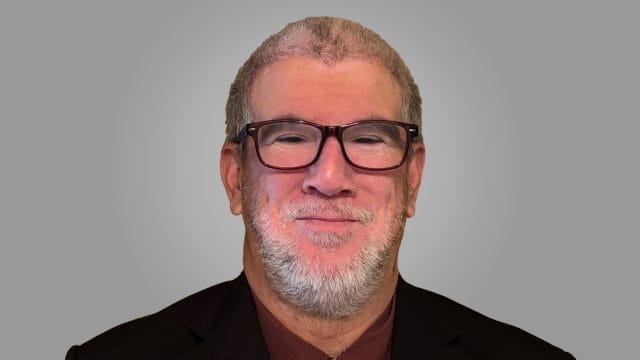
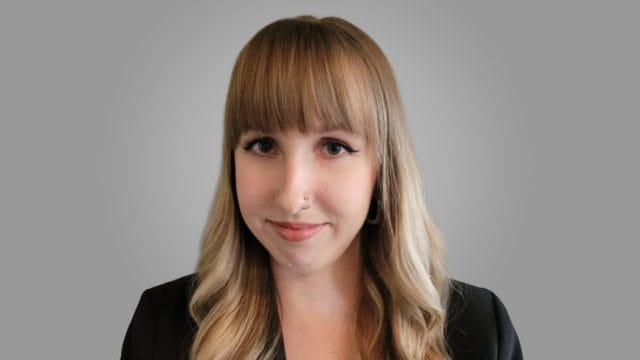
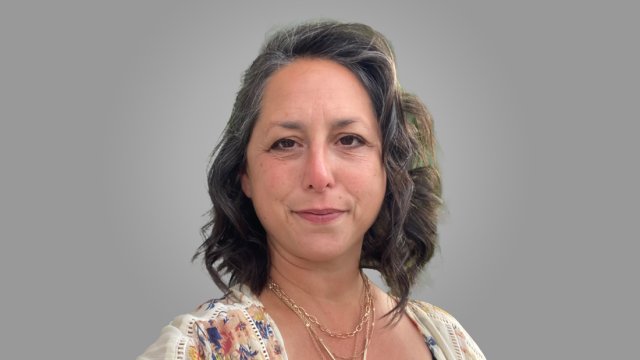
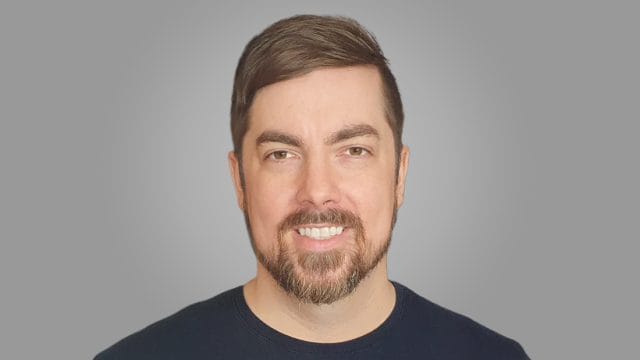
Many of our Calgary clinicians work with trauma. Browse profiles, watch introduction videos, and book online when you're ready.


Trusted by Leading Psychology and Mental Health Organizations Serving Calgary

Our clinicians hold credentials recognized by the major licensing and professional bodies serving Calgary and across Canada.


Trusted By Alberta’s Leading Psychology & Mental Health Organizations

ShiftGrit Psychology & Counselling is professionally regulated, certified, and recognized by leading psychology and mental-health organizations across Alberta and Canada. These associations reflect our commitment to ethical practice, clinical standards, and evidence-informed therapy through Identity-Level Therapy and Reconditioning.

Regulated and affiliated across Alberta’s leading psychology, counselling, and mental-health organizations.


Regulated and affiliated across Canada's leading psychology, counselling, and mental-health organizations.

Book a session

Ready to start Trauma Therapy in Calgary?

Connect with one of our Calgary therapists. Online booking available — same-week appointments are usually possible.

Patterns We Work With in Trauma Therapy

The clinical category above is one frame. ShiftGrit’s Pattern Library looks at the same territory through identity-level patterns — the loops underneath the surface symptom that therapy can address at the belief layer.

Trauma

It isn’t the event itself — it’s a pattern in the body and nervous system that keeps responding to past threat as if it’s still happening. Understanding what happened doesn’t autom…

Read more →

Explore all Trauma patterns →

FAQ

What's the difference between Reconditioning and other trauma approaches?

Reconditioning is the technique inside the ShiftGrit Core Method™ that works the belief the trauma installed: “I am in danger,” “I am powerless,” “I am responsible,” “I am permanently damaged,” “I am betrayed.” It does not require recounting the event narrative in detail. Reconditioning is our alternative to recount-based trauma approaches. External modalities like EMDR, CPT, and Prolonged Exposure exist as separate evidence-based options on the market; clinicians on our team who carry that specific training may integrate elements as an adjunct where it fits the client’s work.

What is complex trauma (cPTSD), and do you treat it?

Yes. Many of our trauma clients carry complex trauma rooted in childhood or long-term relational dynamics rather than a single index event. Complex PTSD is currently recognised in ICD-11 and not yet listed as a separate diagnosis in DSM-5, where it is often captured under PTSD or other categories. The diagnostic label matters less than the picture: repeated or prolonged exposure to traumatic conditions, often relational, with downstream effects on self-concept, emotion regulation, and relationships. The Identity-Level Therapy framing fits cPTSD well because much of the suffering lives at the belief layer that the early environment installed.

Do I need a PTSD diagnosis to start trauma therapy?

No. Many people carry significant trauma without meeting full PTSD criteria, and the therapy work does not depend on the label being in place. We work with self-identified trauma, suspected trauma, formally diagnosed PTSD, and complex trauma presentations. If you want a formal diagnostic assessment, that is a separate process that can run in parallel or in sequence with therapy. What matters at intake is the actual picture: what happened, what is running now, and how it is showing up in your daily life.

Is trauma therapy covered by insurance in Alberta?

Most extended health benefit plans in Alberta cover sessions with Registered Psychologists. Coverage with Canadian Certified Counsellors and Registered Social Workers varies more by plan. Common per-year coverage caps are between $500 and $2,000. We provide receipts with the practitioner’s registration number for you to submit, and direct billing is available with several major insurers. If you’re unsure whether your specific plan covers our practitioners, call your insurer’s member line and ask whether sessions with the relevant credential are reimbursable, and at what rate.

Can therapy help if my trauma is from childhood or decades ago?

Yes. Family-of-origin work is a core element of the enriched intake, and a meaningful share of our clients are working with patterns rooted in childhood or in events from many years ago. Old trauma still runs in the present nervous system; the body does not file experiences by date. Many of these clients have already cycled through depression therapy calgary clinicians offered, because long-running early trauma frequently surfaces as a depressive picture decades later. The Identity-Level Therapy work targets the belief patterns the early environment installed, not the specific memories themselves, which means the age of the trauma is rarely a barrier to the work landing. Many clients describe finally working the layer that years of other therapy circled.

What if I've worked with other trauma modalities and the patterns are still there?

This is a common starting point for clients who come to us. Other trauma approaches can quiet active symptom load on the surface, and they do not always touch the identity-level belief patterns the trauma installed: the felt sense of being unsafe, powerless, at fault, permanently broken, or unable to trust. When those patterns are still running, life can feel quieter on the surface and unchanged underneath, and the unresolved layer often surfaces sideways, sometimes as the kind of presentations that anxiety therapy calgary clinicians treat, sometimes as the contamination or harm content that ocd therapy calgary clinicians treat. Reconditioning works that underlying belief layer specifically. Bring whatever you have done into the first session; we build the plan from where you actually are.


Can I do trauma therapy online if I'm in Calgary?

Yes. We offer in-person sessions at our Mount Royal studio at 815 17 Ave SW #210, and virtual sessions across Alberta. Most trauma presentations work well in either format. Many Calgary therapists offer one format only, and clients often appreciate that we run both and adjust based on what the work actually calls for. There are a few situations where in-person can be the better starting point: active dissociation during sessions, severe symptom states where containment matters, and presentations where the felt presence of the clinician in the room makes a meaningful difference. We discuss the right format at intake based on your actual presentation, and we adjust as the work unfolds.

How long does trauma therapy typically take?

The range is wide and tracks with complexity. Single-event trauma where the index event is clearly identifiable can resolve in roughly twelve to twenty sessions. Complex and developmental trauma typically runs longer, often well beyond that, because the patterns layer thicker and the identity-level work has more ground to cover. We are transparent at intake about the expected length for your specific picture, and we re-evaluate together at the mid-process pattern check-in. The endpoint is not “no triggers ever.” It is the underlying belief patterns no longer running the show, which is what the method calls your ideal reality.

What if I'm in crisis right now?

If you are in crisis right now, our first session is not the right resource. Please call or text 988 (Suicide Crisis Helpline, Canada), call Talk Suicide Canada at 1-833-456-4566, call the Distress Centre Calgary 24-hour line at 403-266-4357, or go to your nearest emergency room. Therapy with us is for longer-term work on the patterns underneath the symptoms; it is not a crisis intervention service. Once active crisis has been stabilised through the appropriate services, the trauma work can begin from steadier ground, and we are here when that point arrives.

Can my partner or family member do trauma therapy with me?

The Identity-Level Therapy work is primarily one-on-one, because the patterns we work on are identity-level and most effective when addressed individually. Couples and family work for trauma is a separate consideration with its own clinicians and frameworks. What often serves trauma clients best is individual ILT for the underlying pattern work, with relational integration happening as those patterns shift, sometimes supported by a few coaching sessions where a partner or family member joins. We figure out the right configuration at intake based on what the picture actually calls for.


More Calgary Therapy Guides

Life in Calgary moves fast—tight timelines, high expectations, and constant comparison. These guides explain why emotional patterns often feel louder here, how identity-level beliefs get triggered in high-demand environments, and what structured, evidence-informed therapy can actually change.

More Resources from ShiftGrit Psychology Calgary

Not in Calgary? See Edmonton options.

Authored by

ShiftGrit Clinical Editorial Team

The ShiftGrit Clinical Editorial Team combines the insight of registered psychologists, provisional psychologists, and trained writers to create accessible, evidence-informed therapy resources. All content is clinically reviewed by a Registered Psychologist.

Reviewed by registered psychologists at ShiftGrit, regulated by the College of Alberta Psychologists.