
Profile

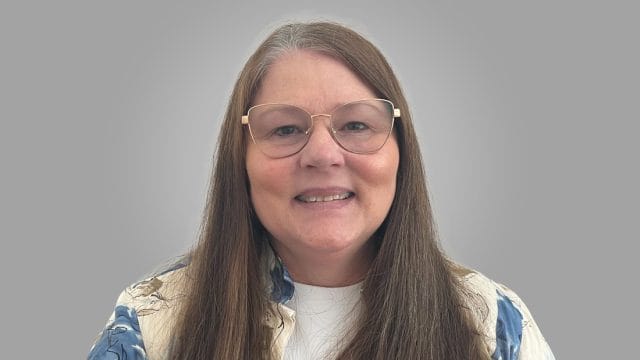
Portrait of Ashima Saini, Registered Provisional Psychologist with ShiftGrit Therapy in Edmonton, specializing in trauma, anxiety, identity, and relationship work.

Like all Shift Therapists, Ashima Saini is trained in the ShiftGrit Core Method™

Read more

Professional Details

I’m Ashima Saini, a Registered Provisional Psychologist with the College of Alberta Psychologists. I hold a Master of Counselling from City University of Seattle and a Bachelor of Arts in Psychology from Concordia University of Edmonton. My education emphasized evidence-based and trauma-informed practice, giving me the tools to combine research-backed structure with genuine compassion.
My core areas of focus include trauma and identity work, anxiety, depression, self-esteem, and relationship challenges. I work primarily with teens, adults, and couples, supporting people through identity exploration, relational patterns, and major life transitions. I also have experience in school and community settings, which helps me understand how mental health is shaped by environment and systems. Beyond clinical issues, I help clients reconnect with self-empowerment, meaning, and resilience so they can move through life with greater clarity and confidence.


Trainings & Certifications

I’ve completed training in Eye Movement Desensitization and Reprocessing (EMDR), which allows me to help clients safely process and integrate painful or traumatic experiences.
This approach supports the nervous system in releasing what feels “stuck,” so clients can move forward with a greater sense of calm and control.
I also have specialized training in trauma-informed and culturally responsive care, which helps me create a therapeutic space that feels safe, inclusive, and respectful of each client’s background and pace.

In addition, my work draws on Cognitive Behavioural Therapy (CBT) and Acceptance and Commitment Therapy (ACT) to help clients notice unhelpful patterns, build emotional regulation skills, and align their choices with personal values. I often integrate Narrative Therapy and Emotion-Focused Therapy (EFT) to explore how clients’ inner stories shape their sense of self and relationships.
Together, these trainings allow me to blend structured, evidence-based tools with deep emotional and identity-level work. This combination helps clients not just manage symptoms but experience real and lasting change in how they think, feel, and connect with themselves and others.


Specialized Experience

In addition to my private practice, I’ve worked in school systems, community outreach programs, and within government services, providing individual support, leading group sessions, and contributing to wellness initiatives for youth and families.

This experience sharpened my ability to work with clients in community settings, to collaborate with systems (schools, agencies), and to adapt therapeutic tools for different contexts. It also reinforced my belief that mental health doesn’t exist in isolation; it’s influenced by relationships, environment, and systemic factors.


ShiftGrit Core Method™ & Clinical Approach

I use the ShiftGrit Core Method™ as an anchor in therapy, guiding clients beneath surface symptoms to explore and shift the identity-level beliefs that shape how they see themselves and the world. From there, I integrate tools from CBT, ACT, NT, and EMDR to support both cognitive insight and embodied change. What I love most about the Core Method is how it centers identity transformation, not just altering what clients think or feel, but reshaping how they relate to themselves internally. This depth of work often opens doors that clients didn’t know existed and allows for genuine, lasting change. If I were to describe the Core Method in three words, I’d say it’s rooted, transformative, and compassionate.


Personal Background & Story

Before becoming a psychologist, I worked in community and youth-focused programs, which taught me the value of meeting people exactly where they are. Those early experiences gave me a front-line understanding of resilience and the power of being seen, as I listened deeply to people’s stories and learned to notice the patterns beneath their behaviours and emotions. I’ve always been drawn to questions of meaning, identity, and strength, seeing how mental health challenges often come with narratives people didn’t choose but feel trapped by.

A pivotal moment in my career came when I witnessed how reshaping those narratives could lead to profound transformation, inspiring my commitment to this work. I bring a culturally responsive lens and believe vulnerability is not a weakness but the starting point of connection, healing, and growth. That belief shapes how I show up in therapy — with curiosity, courage, and heart.


Personality & Connection

I work best with clients who are open to exploration, curious about themselves, willing to face challenges, and invested in doing their own inner work. One of the most meaningful transformations I love to witness is when a client stops seeking validation or safety externally and begins to find steadiness and trust from within, when they shift from reaction to agency. My therapeutic style can best be described as warm, strategic, and depth-oriented, blending compassion with intention to help clients move toward genuine, lasting change.


Passions, Inspirations & Favourites

The most impactful book I’ve read is Redeeming 6 by Chloe Walsh. I love how Walsh brings mental health challenges to light through deeply human characters and raw, honest storytelling. The book captures the reality of trauma, resilience, and healing in a way that feels both relatable and hopeful. It reminds me that therapy isn’t about “fixing” people but about understanding their stories, validating their pain, and helping them find strength even in their most difficult moments. A quote I live by is, “Sometimes survival is the softest kind of strength.” This line resonates deeply with me because it captures the quiet courage I see in so many clients, the strength it takes to keep showing up, even when life feels heavy. It reflects how I view healing: not as perfection or constant progress, but as the gentle, resilient act of continuing to grow, feel, and try again.


Clinical Interests & Specialties

I’m especially drawn to working with teens, adults, and couples, as these groups often navigate identity, relational, and transitional challenges that benefit from integrated,
depth-oriented work. My focus includes healing, anxiety, depression, emotional regulation, self-esteem and identity issues, and relational conflict, since these core struggles often keep people from living fully and authentically. Beyond clinical concerns, I also support self-empowerment, meaning-making, identity development, resilience-building, and healthy communication. I am passionate about helping my clients strengthen their connection to themselves and others. My approach integrates EMDR for trauma work, narrative re-authoring, emotion-focused therapy, and strengths-based frameworks to promote healing that is both grounded and transformative.


Clinical Methods & Orientations

I integrate a variety of modalities with the ShiftGrit Core Method™ to help clients create change at both the cognitive and identity levels. EMDR supports trauma processing and the integration of painful memories in ways that restore safety and shift self-beliefs. CBT and ACT provide structure, skill-building, and values-based action to foster practical, sustainable growth. Through Narrative Therapy and Emotion-Focused Therapy (EFT), clients learn to re-author their stories, deepen emotional awareness, and transform relational patterns.I also draw on strengths-based approaches to anchor therapy in clients’ existing capacities rather than deficits.

These methods resonate with me because they each emphasize personal agency and emotional connection. In practice, I often begin with identity-level Core work and then weave in EMDR or narrative techniques when past wounds impede forward movement. I see therapy as an ecosystem of beliefs, emotions, body, and relationships, and my goal is to help clients orchestrate that system toward balance and growth.


Growth & Professional Development

Early in my career, I found it challenging to juggle different therapeutic models; it sometimes felt like I had to choose between them rather than blend them meaningfully. Over time, I learned to weave these approaches into a flexible, integrated framework that feels both authentic and effective. That process taught me that developing a therapeutic identity isn’t a one-time task, but a continual evolution. Through supervision, I also learned that blind spots, the biases or assumptions I might overlook are inevitable, and that acknowledging them strengthens my presence in the therapy room. Staying curious, reflective, and open to feedback has become a cornerstone of how I continue to grow as a clinician.


Free Form

Therapy with me is not about “fixing” you! It’s about rediscovering what’s already alive within you and reshaping your internal map so you can move forward with integrity. I believe healing is deeply relational work, where the quality of connection truly matters. I see clients as whole, creative, and evolving beings, not as problems to solve. To me, therapy is like tending a garden: we begin by clearing the weeds of limiting beliefs, gently tilling the soil to create safe inner ground, planting seeds of new narratives and resilience, and nurturing growth over time. You can’t force a garden to bloom - you care, observe, adjust, and celebrate each sprout. In the same way, therapy is a slow, loving process of cultivating growth and transformation.


Treatment Approach
ShiftGrit Core Method™Acceptance and Commitment Therapy (ACT)Cognitive Behavioural Therapy (CBT)EMDRNarrative Therapy

Client Focus

Service Offerings & Rates
Individual Therapy (50 min)
$229
Insurance & Benefits Coverage

Coverage depends on the insurance plan. Check with your insurance provider to see if your plan covers one of the listed designations.

  • Registered Provisional Psychologist
More Info
Education
  • City University of Seattle
    Master of Counselling
  • Concordia University of Edmonton
    Bachelor of Arts in Psychology
Languages
  • English

Therapy Services


Availability

Schedule
Mornings
MTWTFSS
Afternoons
MTWTFSS
Evenings
MTWTFSS

Service Area

Virtual In-person Both

Eligible provinces and territories are highlighted.

Location

10445 124 St, Edmonton, AB T5N 1R7, Canada

More About Me

Profile

Portrait of Ashima Saini, Registered Provisional Psychologist with ShiftGrit Therapy in Edmonton, specializing in trauma, anxiety, identity, and relationship work.

Like all Shift Therapists, Ashima Saini is trained in the ShiftGrit Core Method™

Read more

Professional Details

I’m Ashima Saini, a Registered Provisional Psychologist with the College of Alberta Psychologists. I hold a Master of Counselling from City University of Seattle and a Bachelor of Arts in Psychology from Concordia University of Edmonton. My education emphasized evidence-based and trauma-informed practice, giving me the tools to combine research-backed structure with genuine compassion.
My core areas of focus include trauma and identity work, anxiety, depression, self-esteem, and relationship challenges. I work primarily with teens, adults, and couples, supporting people through identity exploration, relational patterns, and major life transitions. I also have experience in school and community settings, which helps me understand how mental health is shaped by environment and systems. Beyond clinical issues, I help clients reconnect with self-empowerment, meaning, and resilience so they can move through life with greater clarity and confidence.


Trainings & Certifications

I’ve completed training in Eye Movement Desensitization and Reprocessing (EMDR), which allows me to help clients safely process and integrate painful or traumatic experiences.
This approach supports the nervous system in releasing what feels “stuck,” so clients can move forward with a greater sense of calm and control.
I also have specialized training in trauma-informed and culturally responsive care, which helps me create a therapeutic space that feels safe, inclusive, and respectful of each client’s background and pace.

In addition, my work draws on Cognitive Behavioural Therapy (CBT) and Acceptance and Commitment Therapy (ACT) to help clients notice unhelpful patterns, build emotional regulation skills, and align their choices with personal values. I often integrate Narrative Therapy and Emotion-Focused Therapy (EFT) to explore how clients’ inner stories shape their sense of self and relationships.
Together, these trainings allow me to blend structured, evidence-based tools with deep emotional and identity-level work. This combination helps clients not just manage symptoms but experience real and lasting change in how they think, feel, and connect with themselves and others.


Specialized Experience

In addition to my private practice, I’ve worked in school systems, community outreach programs, and within government services, providing individual support, leading group sessions, and contributing to wellness initiatives for youth and families.

This experience sharpened my ability to work with clients in community settings, to collaborate with systems (schools, agencies), and to adapt therapeutic tools for different contexts. It also reinforced my belief that mental health doesn’t exist in isolation; it’s influenced by relationships, environment, and systemic factors.


ShiftGrit Core Method™ & Clinical Approach

I use the ShiftGrit Core Method™ as an anchor in therapy, guiding clients beneath surface symptoms to explore and shift the identity-level beliefs that shape how they see themselves and the world. From there, I integrate tools from CBT, ACT, NT, and EMDR to support both cognitive insight and embodied change. What I love most about the Core Method is how it centers identity transformation, not just altering what clients think or feel, but reshaping how they relate to themselves internally. This depth of work often opens doors that clients didn’t know existed and allows for genuine, lasting change. If I were to describe the Core Method in three words, I’d say it’s rooted, transformative, and compassionate.


Personal Background & Story

Before becoming a psychologist, I worked in community and youth-focused programs, which taught me the value of meeting people exactly where they are. Those early experiences gave me a front-line understanding of resilience and the power of being seen, as I listened deeply to people’s stories and learned to notice the patterns beneath their behaviours and emotions. I’ve always been drawn to questions of meaning, identity, and strength, seeing how mental health challenges often come with narratives people didn’t choose but feel trapped by.

A pivotal moment in my career came when I witnessed how reshaping those narratives could lead to profound transformation, inspiring my commitment to this work. I bring a culturally responsive lens and believe vulnerability is not a weakness but the starting point of connection, healing, and growth. That belief shapes how I show up in therapy — with curiosity, courage, and heart.


Personality & Connection

I work best with clients who are open to exploration, curious about themselves, willing to face challenges, and invested in doing their own inner work. One of the most meaningful transformations I love to witness is when a client stops seeking validation or safety externally and begins to find steadiness and trust from within, when they shift from reaction to agency. My therapeutic style can best be described as warm, strategic, and depth-oriented, blending compassion with intention to help clients move toward genuine, lasting change.


Passions, Inspirations & Favourites

The most impactful book I’ve read is Redeeming 6 by Chloe Walsh. I love how Walsh brings mental health challenges to light through deeply human characters and raw, honest storytelling. The book captures the reality of trauma, resilience, and healing in a way that feels both relatable and hopeful. It reminds me that therapy isn’t about “fixing” people but about understanding their stories, validating their pain, and helping them find strength even in their most difficult moments. A quote I live by is, “Sometimes survival is the softest kind of strength.” This line resonates deeply with me because it captures the quiet courage I see in so many clients, the strength it takes to keep showing up, even when life feels heavy. It reflects how I view healing: not as perfection or constant progress, but as the gentle, resilient act of continuing to grow, feel, and try again.


Clinical Interests & Specialties

I’m especially drawn to working with teens, adults, and couples, as these groups often navigate identity, relational, and transitional challenges that benefit from integrated,
depth-oriented work. My focus includes healing, anxiety, depression, emotional regulation, self-esteem and identity issues, and relational conflict, since these core struggles often keep people from living fully and authentically. Beyond clinical concerns, I also support self-empowerment, meaning-making, identity development, resilience-building, and healthy communication. I am passionate about helping my clients strengthen their connection to themselves and others. My approach integrates EMDR for trauma work, narrative re-authoring, emotion-focused therapy, and strengths-based frameworks to promote healing that is both grounded and transformative.


Clinical Methods & Orientations

I integrate a variety of modalities with the ShiftGrit Core Method™ to help clients create change at both the cognitive and identity levels. EMDR supports trauma processing and the integration of painful memories in ways that restore safety and shift self-beliefs. CBT and ACT provide structure, skill-building, and values-based action to foster practical, sustainable growth. Through Narrative Therapy and Emotion-Focused Therapy (EFT), clients learn to re-author their stories, deepen emotional awareness, and transform relational patterns.I also draw on strengths-based approaches to anchor therapy in clients’ existing capacities rather than deficits.

These methods resonate with me because they each emphasize personal agency and emotional connection. In practice, I often begin with identity-level Core work and then weave in EMDR or narrative techniques when past wounds impede forward movement. I see therapy as an ecosystem of beliefs, emotions, body, and relationships, and my goal is to help clients orchestrate that system toward balance and growth.


Growth & Professional Development

Early in my career, I found it challenging to juggle different therapeutic models; it sometimes felt like I had to choose between them rather than blend them meaningfully. Over time, I learned to weave these approaches into a flexible, integrated framework that feels both authentic and effective. That process taught me that developing a therapeutic identity isn’t a one-time task, but a continual evolution. Through supervision, I also learned that blind spots, the biases or assumptions I might overlook are inevitable, and that acknowledging them strengthens my presence in the therapy room. Staying curious, reflective, and open to feedback has become a cornerstone of how I continue to grow as a clinician.


Free Form

Therapy with me is not about “fixing” you! It’s about rediscovering what’s already alive within you and reshaping your internal map so you can move forward with integrity. I believe healing is deeply relational work, where the quality of connection truly matters. I see clients as whole, creative, and evolving beings, not as problems to solve. To me, therapy is like tending a garden: we begin by clearing the weeds of limiting beliefs, gently tilling the soil to create safe inner ground, planting seeds of new narratives and resilience, and nurturing growth over time. You can’t force a garden to bloom - you care, observe, adjust, and celebrate each sprout. In the same way, therapy is a slow, loving process of cultivating growth and transformation.


Book Online

Book Session