

Profile

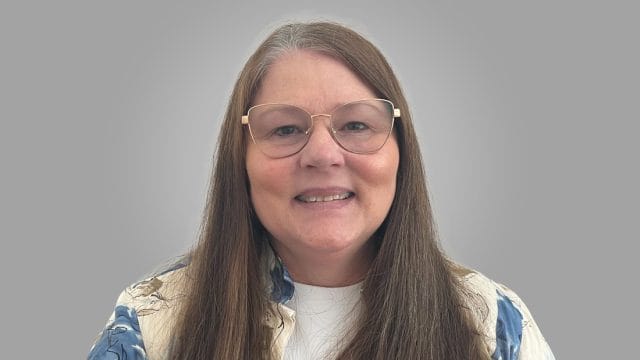
Headshot of Claudia Atukwoh, Registered Social Worker and Clinical Social Worker at ShiftGrit

Like all Shift Therapists, Claudia Atukwoh is trained in the ShiftGrit Core Method™

Read more

Professional Details

Full Name and Credentials

My name is Claudia Atukwoh, and I hold a Master of Social Work (MSW) with certification in Clinical Social Work. I am a Registered Social Worker (RSW) in Alberta, with over 13 years of experience supporting individuals, families, and communities. My training has equipped me with strong clinical, assessment, and therapeutic skills, and I continue to build on that through ongoing learning and research. What this means for the client is that they’re working with someone who is not only qualified but also committed to providing thoughtful, evidence-based, and personalized care.

Professional Title

As a Registered Social Worker with a master’s degree in Clinical Social Work, I support individuals through a wide range of emotional, psychological, and life challenges, upholding the highest ethical standards while employing evidence-informed models. My role is not just to listen, but to help you better understand yourself, make sense of patterns that may be keeping you stuck, and work toward meaningful and lasting change. I aim to strike a balance between being supportive and gently guiding you toward growth in a way that feels safe and manageable.

Educational Background

I hold a Master’s degree in Social Work with a clinical focus, where I developed strong clinical skills in assessment, trauma-informed care, and evidence-based therapies. This foundation pairs well with the structured and results-focused approach of the ShiftGrit Core Method™, allowing me to support both insight and lasting change.

Core Clinical Specialties

My work is grounded in the ShiftGrit Core Method™, which focuses on identifying and changing the deeper patterns that drive your thoughts, emotions, and behaviors. I also draw from a range of approaches, depending on what best fits your needs:

  • Cognitive Behavioral Therapy (CBT)
  • Dialectical Behavior Therapy (DBT)
  • Eye Movement Desensitization and Reprocessing (EMDR)
  • Narrative Therapy
  • Solution-Focused Brief Therapy (SFBT)
  • Acceptance and Commitment Therapy (ACT)

Client Populations You Serve

I work primarily with adults (18+), supporting individuals from diverse backgrounds and life experiences. I strive to create a space that is respectful, inclusive, and responsive to each person’s unique story and needs.

Clinical Concerns You Focus On Most

I commonly support clients navigating concerns such as:

  • Anxiety
  • Depression
  • Trauma
  • Post-Traumatic Stress Disorder (PTSD)
  • Personality-related challenges
  • Attachment-related patterns

At the same time, I recognize that each person’s experience is unique, and I remain open to working with a wide range of clinical concerns.

Non-Clinical Concerns You Support

In addition to clinical concerns, I support clients through everyday life challenges such as:

  • Grief and loss
  • Relationship dynamics
  • Communication difficulties
  • Work-life balance
  • Life transitions
  • Financial stress
  • Caregiver burnout
  • Newcomers and refugees with settlement issues

These experiences can have a significant impact, and therapy can be a helpful space to process and move forward.

Trainings & Certifications

I’ve completed a range of specialized trainings that have enhanced how I meaningfully and practically support my clients. I have training in:

  • Cognitive Behavioral Therapy (CBT), Dialectical Behavior Therapy (DBT), and Eye Movement Desensitization and Reprocessing (EMDR) — helping clients better understand their thoughts, regulate their emotions, and process past experiences that may be affecting the present. These approaches support both skill-building and deeper healing from past challenges.
  • Trauma-informed care — keeping me at a pace that feels safe and respectful for you.
  • Relationships and attachment — helping clients make sense of patterns, how they connect with others, and where these patterns originate.

Over the years, working with people from different backgrounds has shaped how I show up. I aim to create a space that feels inclusive, respectful, and grounded in your unique experience. When combined with the ShiftGrit Core Method™, the goal is not just to help each client cope but to support them in making real, lasting changes in how they think, feel, and respond.

Specialized Experience

In addition to my clinical practice, I’ve supported individuals in healthcare, community, and system-based settings, including working alongside multidisciplinary teams and navigating services related to income support, disability, and long-term care. This has given me a holistic comprehension of how emotional, physical, and social factors intersect in a person’s life.

I’ve also supported individuals through crises and significant life transitions, which has strengthened my emotional intelligence and ability to remain calm, grounded, and supportive when things feel overwhelming. This experience allows me to not only understand the bigger picture of what clients may be going through but also to help them move toward practical, meaningful, and lasting change in their everyday lives.

ShiftGrit Core Method & Clinical Approach

How I Use the ShiftGrit Core Method

The ShiftGrit Core Method is at the heart of how I work because, through it, I have moved beyond managing symptoms to focusing on the patterns beneath them. During a session, we take time to identify the recurring thoughts, emotional reactions, and behaviors that can feel automatic, and then understand where they come from and why they keep showing up. The next step is reconditioning, where we begin to shift those emotional responses at the root — hence, clients do not constantly have to push through or manage the same struggles.

What Clients Appreciate Most

Many clients appreciate how structured and clear this process feels. It helps things make sense, and you can see the progress as it happens.

A Breakthrough Moment

What I value most about this method is how often clients reach a point where things finally click. I’ve had clients share that after years of trying different approaches, this was the first time they felt a real shift — not just in how they think but in how they naturally respond in their day-to-day life.

Integrations I Combine With It

I also integrate approaches such as CBT, DBT, ACT, Narrative Therapy, and Solution-Focused Therapy to support awareness, skill-building, and reflection. At the same time, the Core Method helps create deeper, lasting change that feels more natural and sustainable.

Personal Background & Story

Before Becoming a Therapist

Before becoming a therapist, I spent many years working in different social work roles, including supporting individuals and families in community settings and working as a social worker in long-term care. These experiences allowed me to walk alongside people through a wide range of life challenges — from navigating health concerns and caregiving roles to dealing with loss, transitions, and complex family dynamics.

A Formative Experience

One formative experience that continues to shape my work today was being a caregiver to my grandfather. Through that, I learned patience, compassion, and what it truly means to support someone through difficult moments, and I gained a firsthand understanding of the real impact of caregiver burnout.

What Inspired Me to Enter the Field

My journey into this field was also deeply personal. I grew up in a community in Douala, Cameroon, where mental health was often not talked about and was seen as taboo. I witnessed people struggling silently, including a close family member who experienced depression but felt unable to seek help because of stigma. That stayed with me. It shaped my commitment to creating a safe space where people can speak openly, be understood, and receive the support they deserve. Today, I carry that perspective into my work, meeting clients with empathy, without judgment, and helping them move toward healing, growth, and a better understanding of themselves.

Personality & Connection

When I’m Not in Therapy-Land

When I’m not in “therapy-land”, I’m usually spending time with friends, enjoying good conversation, laughter, and just being present in the moment. For fun, I enjoy watching action movies, listening to music, and dancing — anything that brings a bit of energy and joy into my day. I also really enjoy being outdoors, whether that’s taking a walk in the park or just soaking in some fresh air, which helps me feel grounded and recharged.

For Self-Care

For self-care, I try to keep things simple and intentional. Getting outside, moving my body, and taking time to slow down helps me reset and stay balanced.

A Hobby That Grounds Me

A hobby that really grounds me is cooking. I genuinely enjoy being in the kitchen, trying out different recipes, and creating meals that bring people together.

Something Surprising About Me

One thing people are often surprised to learn about me is that if I weren’t a therapist, I would probably have been a chef. Cooking, for me, is not just an art but another way of expressing care, creativity, and connection — which are values I also bring to my work with clients.

Therapy Style & Client Experience

People Like Working With Me Because…

People often tell me they like working with me because I’m easy to talk to, genuinely present, and able to create a space where they feel comfortable opening up without fear of judgment. At the same time, I’m not just there to listen; I help clients make sense of what’s going on and gently guide them towards meaningful change.

I Work Best With Clients Who…

I tend to work best with clients who are open to exploring themselves a bit more deeply, even if they’re not quite sure where to start. If a client is feeling stuck, overwhelmed, or wants things to feel different, that’s a great place for us to begin.

What Clients Can Expect in a First Session

In a first session, clients can expect a conversation that feels supportive, calm, and at their own pace. We’ll talk about what’s bringing them in, what they’ve been experiencing, and what they’d like to change. I’ll also help clients notice patterns — how their thoughts, emotions, and behaviors may be connected — so we can start moving in a clearer direction together.

A Transformation I Love to Witness

One of the transformations I value most is seeing clients move from feeling overwhelmed or disconnected to feeling more in control, more confident, and more like themselves again. I balance warmth and strategy by ensuring clients feel heard and supported while helping them take practical steps forward.

Passions, Inspirations & Favorites

The Most Impactful Book I’ve Read

One of the most impactful books I’ve read is Man’s Search for Meaning by Viktor Frankl. What stayed with me is the idea that even in the most difficult circumstances, we can still find meaning and purpose. That perspective resonates deeply with me, especially in my work, as it reminds me (and my clients) that no matter how heavy things feel, change and growth are always possible.

A Quote I Live By

A quote I really connect with is, “Healing doesn’t mean the damage never existed. It means the damage no longer controls your life.” This reflects both my personal journey and my approach to therapy. Growing up in a community where mental health was often not talked about, I saw how much people endured silently.

Things I’m Currently Enjoying

  • Cooking
  • Dancing
  • Spending time outdoors

Cooking, especially, is something I’m passionate about — it’s creative, grounding, and a way I connect with others.

An Unexpected Source of Inspiration

An unexpected source of inspiration in my life has been my personal and family experiences, especially witnessing resilience in the face of struggle. It’s a constant reminder that with the right support, people are capable of so much more than they often believe.

Clinical Interests & Specialties

My Interest in Working With Adults

I have a special interest in working with adults because I’ve seen how life experiences, responsibilities, and past challenges can accumulate over time and become overwhelming. Many of the individuals I support are navigating multiple roles while managing their emotional well-being, relationships, and personal growth.

Clinical Concerns I’m Drawn To

I’m especially drawn to working with concerns like anxiety, depression, trauma, PTSD, personality-related challenges, and attachment patterns, because I’ve seen how deeply they can impact a person’s sense of self and daily life. What stands out to me is that these experiences are often connected to underlying patterns that people may not always be aware of, and helping clients understand and shift those patterns can lead to meaningful, lasting change.

Non-Clinical Concerns I Support

I also have a strong interest in supporting clients with non-clinical concerns, including:

  • Grief and loss
  • Relationship dynamics
  • Communication challenges
  • Work-life balance
  • Life transitions
  • Financial stress
  • Caregiver burnout

These are real, everyday experiences that can quietly take a toll, and I value creating a space where clients can talk openly, gain clarity, and feel supported as they move forward.

Additional Areas of Expertise

In addition to these areas, I bring experience in trauma-informed care, attachment-focused work, and culturally responsive practice. I integrate a range of therapeutic approaches to meet each client where they are and support both practical coping and lasting change.

Clinical Methods & Orientations

Modalities I Integrate With the ShiftGrit Core Method™

  • CBT — helps one become aware of their thought patterns.
  • DBT — supports emotional regulation and distress tolerance.
  • EMDR — can help process past experiences that may still influence how one responds today.
  • Narrative and Solution-Focused approaches — allow us to explore your story and focus on strengths and forward movement.
  • ACT — supports building flexibility and alignment with your values.

Together, these approaches help clients in ways that are both practical and deeply impactful.

Why These Methods Align With Me

The methods I am more aligned with are those that go beyond surface-level coping and help create meaningful, lasting change. That’s why the ShiftGrit Core Method resonates so strongly with me — it focuses on identifying and shifting the deeper patterns driving your thoughts, emotions, and behaviors.

My Unique Blend

I’ve developed a way of blending this structured approach with more flexible, client-centered techniques, so therapy feels both guided and personalized. This allows us to not only understand what’s been happening to clients but also begin shifting how they naturally respond, so that change feels less forced and more sustainable in their everyday life.

Growth & Professional Development

My Biggest Learning From Supervision

One of the most important lessons I’ve learned through supervision and my professional journey is the value of slowing down and truly meeting clients where they are. Early in my career, I was focused on problem-solving and helping clients move forward quickly. Over time, I’ve learned that meaningful change often happens when we take the time to fully understand a client’s experience, emotions, and readiness. That balance between being supportive and gently guiding growth is something I continue to refine in my work.

An Area of Growth I’m Focused On

An area of growth I’m focused on is deepening my skills in trauma-focused work, including EMDR, to better support clients in processing past experiences. I’m also committed to staying current through ongoing training, professional development, and learning from the clients I work with every day. I see growth as an ongoing process, and I appreciate the opportunity to continuously improve how I show up to provide the best possible support.

Free Form

Something I’d Like Clients to Know

Something I’d like clients to know is that they don’t need to have everything figured out before starting therapy. It’s okay to come in feeling unsure, overwhelmed, or even just curious, and we can figure things out together at a pace that feels right. My goal is to create a space where clients feel safe being themselves while supporting them in making meaningful, lasting changes in their lives.

How I View Therapy

I often think of therapy as learning to understand and shift the patterns that have quietly run in the background of one’s life. Sometimes these patterns were formed to protect or help clients cope, but over time, they can feel limiting or exhausting. With the ShiftGrit Core Method™, we take the time to uncover those patterns, understand where they come from, and begin to change how clients respond at a deeper level — so they’re not just managing reactions but experiencing their day-to-day life differently.


Treatment Approach
ShiftGrit Core Method™Acceptance and Commitment Therapy (ACT)Attachment TheoryCognitive Behavioural Therapy (CBT)Dialectical Behaviour Therapy (DBT)EMDRNarrative TherapyTrauma-Informed Approach

Client Focus

Service Offerings & Rates
Individual Therapy (50 min)
$229
Insurance & Benefits Coverage

Coverage depends on the insurance plan. Check with your insurance provider to see if your plan covers one of the listed designations.

  • Registered Social Worker
More Info
Education
  • University of Kentucky
    Master of Social Work (MSW) with a clinical focus
  • MacEwan University
    Bachelor's Social Work
Languages
  • English

Availability

Schedule
Mornings
MTWTFSS
Afternoons
MTWTFSS
Evenings
MTWTFSS

Service Area

Virtual In-person Both

Eligible provinces and territories are highlighted.

Location

10445 124 St, Edmonton, AB T5N 1R7, Canada

More About Me

Profile

Headshot of Claudia Atukwoh, Registered Social Worker and Clinical Social Worker at ShiftGrit

Like all Shift Therapists, Claudia Atukwoh is trained in the ShiftGrit Core Method™

Read more

Professional Details

Full Name and Credentials

My name is Claudia Atukwoh, and I hold a Master of Social Work (MSW) with certification in Clinical Social Work. I am a Registered Social Worker (RSW) in Alberta, with over 13 years of experience supporting individuals, families, and communities. My training has equipped me with strong clinical, assessment, and therapeutic skills, and I continue to build on that through ongoing learning and research. What this means for the client is that they’re working with someone who is not only qualified but also committed to providing thoughtful, evidence-based, and personalized care.

Professional Title

As a Registered Social Worker with a master’s degree in Clinical Social Work, I support individuals through a wide range of emotional, psychological, and life challenges, upholding the highest ethical standards while employing evidence-informed models. My role is not just to listen, but to help you better understand yourself, make sense of patterns that may be keeping you stuck, and work toward meaningful and lasting change. I aim to strike a balance between being supportive and gently guiding you toward growth in a way that feels safe and manageable.

Educational Background

I hold a Master’s degree in Social Work with a clinical focus, where I developed strong clinical skills in assessment, trauma-informed care, and evidence-based therapies. This foundation pairs well with the structured and results-focused approach of the ShiftGrit Core Method™, allowing me to support both insight and lasting change.

Core Clinical Specialties

My work is grounded in the ShiftGrit Core Method™, which focuses on identifying and changing the deeper patterns that drive your thoughts, emotions, and behaviors. I also draw from a range of approaches, depending on what best fits your needs:

  • Cognitive Behavioral Therapy (CBT)
  • Dialectical Behavior Therapy (DBT)
  • Eye Movement Desensitization and Reprocessing (EMDR)
  • Narrative Therapy
  • Solution-Focused Brief Therapy (SFBT)
  • Acceptance and Commitment Therapy (ACT)

Client Populations You Serve

I work primarily with adults (18+), supporting individuals from diverse backgrounds and life experiences. I strive to create a space that is respectful, inclusive, and responsive to each person’s unique story and needs.

Clinical Concerns You Focus On Most

I commonly support clients navigating concerns such as:

  • Anxiety
  • Depression
  • Trauma
  • Post-Traumatic Stress Disorder (PTSD)
  • Personality-related challenges
  • Attachment-related patterns

At the same time, I recognize that each person’s experience is unique, and I remain open to working with a wide range of clinical concerns.

Non-Clinical Concerns You Support

In addition to clinical concerns, I support clients through everyday life challenges such as:

  • Grief and loss
  • Relationship dynamics
  • Communication difficulties
  • Work-life balance
  • Life transitions
  • Financial stress
  • Caregiver burnout
  • Newcomers and refugees with settlement issues

These experiences can have a significant impact, and therapy can be a helpful space to process and move forward.

Trainings & Certifications

I’ve completed a range of specialized trainings that have enhanced how I meaningfully and practically support my clients. I have training in:

  • Cognitive Behavioral Therapy (CBT), Dialectical Behavior Therapy (DBT), and Eye Movement Desensitization and Reprocessing (EMDR) — helping clients better understand their thoughts, regulate their emotions, and process past experiences that may be affecting the present. These approaches support both skill-building and deeper healing from past challenges.
  • Trauma-informed care — keeping me at a pace that feels safe and respectful for you.
  • Relationships and attachment — helping clients make sense of patterns, how they connect with others, and where these patterns originate.

Over the years, working with people from different backgrounds has shaped how I show up. I aim to create a space that feels inclusive, respectful, and grounded in your unique experience. When combined with the ShiftGrit Core Method™, the goal is not just to help each client cope but to support them in making real, lasting changes in how they think, feel, and respond.

Specialized Experience

In addition to my clinical practice, I’ve supported individuals in healthcare, community, and system-based settings, including working alongside multidisciplinary teams and navigating services related to income support, disability, and long-term care. This has given me a holistic comprehension of how emotional, physical, and social factors intersect in a person’s life.

I’ve also supported individuals through crises and significant life transitions, which has strengthened my emotional intelligence and ability to remain calm, grounded, and supportive when things feel overwhelming. This experience allows me to not only understand the bigger picture of what clients may be going through but also to help them move toward practical, meaningful, and lasting change in their everyday lives.

ShiftGrit Core Method & Clinical Approach

How I Use the ShiftGrit Core Method

The ShiftGrit Core Method is at the heart of how I work because, through it, I have moved beyond managing symptoms to focusing on the patterns beneath them. During a session, we take time to identify the recurring thoughts, emotional reactions, and behaviors that can feel automatic, and then understand where they come from and why they keep showing up. The next step is reconditioning, where we begin to shift those emotional responses at the root — hence, clients do not constantly have to push through or manage the same struggles.

What Clients Appreciate Most

Many clients appreciate how structured and clear this process feels. It helps things make sense, and you can see the progress as it happens.

A Breakthrough Moment

What I value most about this method is how often clients reach a point where things finally click. I’ve had clients share that after years of trying different approaches, this was the first time they felt a real shift — not just in how they think but in how they naturally respond in their day-to-day life.

Integrations I Combine With It

I also integrate approaches such as CBT, DBT, ACT, Narrative Therapy, and Solution-Focused Therapy to support awareness, skill-building, and reflection. At the same time, the Core Method helps create deeper, lasting change that feels more natural and sustainable.

Personal Background & Story

Before Becoming a Therapist

Before becoming a therapist, I spent many years working in different social work roles, including supporting individuals and families in community settings and working as a social worker in long-term care. These experiences allowed me to walk alongside people through a wide range of life challenges — from navigating health concerns and caregiving roles to dealing with loss, transitions, and complex family dynamics.

A Formative Experience

One formative experience that continues to shape my work today was being a caregiver to my grandfather. Through that, I learned patience, compassion, and what it truly means to support someone through difficult moments, and I gained a firsthand understanding of the real impact of caregiver burnout.

What Inspired Me to Enter the Field

My journey into this field was also deeply personal. I grew up in a community in Douala, Cameroon, where mental health was often not talked about and was seen as taboo. I witnessed people struggling silently, including a close family member who experienced depression but felt unable to seek help because of stigma. That stayed with me. It shaped my commitment to creating a safe space where people can speak openly, be understood, and receive the support they deserve. Today, I carry that perspective into my work, meeting clients with empathy, without judgment, and helping them move toward healing, growth, and a better understanding of themselves.

Personality & Connection

When I’m Not in Therapy-Land

When I’m not in “therapy-land”, I’m usually spending time with friends, enjoying good conversation, laughter, and just being present in the moment. For fun, I enjoy watching action movies, listening to music, and dancing — anything that brings a bit of energy and joy into my day. I also really enjoy being outdoors, whether that’s taking a walk in the park or just soaking in some fresh air, which helps me feel grounded and recharged.

For Self-Care

For self-care, I try to keep things simple and intentional. Getting outside, moving my body, and taking time to slow down helps me reset and stay balanced.

A Hobby That Grounds Me

A hobby that really grounds me is cooking. I genuinely enjoy being in the kitchen, trying out different recipes, and creating meals that bring people together.

Something Surprising About Me

One thing people are often surprised to learn about me is that if I weren’t a therapist, I would probably have been a chef. Cooking, for me, is not just an art but another way of expressing care, creativity, and connection — which are values I also bring to my work with clients.

Therapy Style & Client Experience

People Like Working With Me Because…

People often tell me they like working with me because I’m easy to talk to, genuinely present, and able to create a space where they feel comfortable opening up without fear of judgment. At the same time, I’m not just there to listen; I help clients make sense of what’s going on and gently guide them towards meaningful change.

I Work Best With Clients Who…

I tend to work best with clients who are open to exploring themselves a bit more deeply, even if they’re not quite sure where to start. If a client is feeling stuck, overwhelmed, or wants things to feel different, that’s a great place for us to begin.

What Clients Can Expect in a First Session

In a first session, clients can expect a conversation that feels supportive, calm, and at their own pace. We’ll talk about what’s bringing them in, what they’ve been experiencing, and what they’d like to change. I’ll also help clients notice patterns — how their thoughts, emotions, and behaviors may be connected — so we can start moving in a clearer direction together.

A Transformation I Love to Witness

One of the transformations I value most is seeing clients move from feeling overwhelmed or disconnected to feeling more in control, more confident, and more like themselves again. I balance warmth and strategy by ensuring clients feel heard and supported while helping them take practical steps forward.

Passions, Inspirations & Favorites

The Most Impactful Book I’ve Read

One of the most impactful books I’ve read is Man’s Search for Meaning by Viktor Frankl. What stayed with me is the idea that even in the most difficult circumstances, we can still find meaning and purpose. That perspective resonates deeply with me, especially in my work, as it reminds me (and my clients) that no matter how heavy things feel, change and growth are always possible.

A Quote I Live By

A quote I really connect with is, “Healing doesn’t mean the damage never existed. It means the damage no longer controls your life.” This reflects both my personal journey and my approach to therapy. Growing up in a community where mental health was often not talked about, I saw how much people endured silently.

Things I’m Currently Enjoying

  • Cooking
  • Dancing
  • Spending time outdoors

Cooking, especially, is something I’m passionate about — it’s creative, grounding, and a way I connect with others.

An Unexpected Source of Inspiration

An unexpected source of inspiration in my life has been my personal and family experiences, especially witnessing resilience in the face of struggle. It’s a constant reminder that with the right support, people are capable of so much more than they often believe.

Clinical Interests & Specialties

My Interest in Working With Adults

I have a special interest in working with adults because I’ve seen how life experiences, responsibilities, and past challenges can accumulate over time and become overwhelming. Many of the individuals I support are navigating multiple roles while managing their emotional well-being, relationships, and personal growth.

Clinical Concerns I’m Drawn To

I’m especially drawn to working with concerns like anxiety, depression, trauma, PTSD, personality-related challenges, and attachment patterns, because I’ve seen how deeply they can impact a person’s sense of self and daily life. What stands out to me is that these experiences are often connected to underlying patterns that people may not always be aware of, and helping clients understand and shift those patterns can lead to meaningful, lasting change.

Non-Clinical Concerns I Support

I also have a strong interest in supporting clients with non-clinical concerns, including:

  • Grief and loss
  • Relationship dynamics
  • Communication challenges
  • Work-life balance
  • Life transitions
  • Financial stress
  • Caregiver burnout

These are real, everyday experiences that can quietly take a toll, and I value creating a space where clients can talk openly, gain clarity, and feel supported as they move forward.

Additional Areas of Expertise

In addition to these areas, I bring experience in trauma-informed care, attachment-focused work, and culturally responsive practice. I integrate a range of therapeutic approaches to meet each client where they are and support both practical coping and lasting change.

Clinical Methods & Orientations

Modalities I Integrate With the ShiftGrit Core Method™

  • CBT — helps one become aware of their thought patterns.
  • DBT — supports emotional regulation and distress tolerance.
  • EMDR — can help process past experiences that may still influence how one responds today.
  • Narrative and Solution-Focused approaches — allow us to explore your story and focus on strengths and forward movement.
  • ACT — supports building flexibility and alignment with your values.

Together, these approaches help clients in ways that are both practical and deeply impactful.

Why These Methods Align With Me

The methods I am more aligned with are those that go beyond surface-level coping and help create meaningful, lasting change. That’s why the ShiftGrit Core Method resonates so strongly with me — it focuses on identifying and shifting the deeper patterns driving your thoughts, emotions, and behaviors.

My Unique Blend

I’ve developed a way of blending this structured approach with more flexible, client-centered techniques, so therapy feels both guided and personalized. This allows us to not only understand what’s been happening to clients but also begin shifting how they naturally respond, so that change feels less forced and more sustainable in their everyday life.

Growth & Professional Development

My Biggest Learning From Supervision

One of the most important lessons I’ve learned through supervision and my professional journey is the value of slowing down and truly meeting clients where they are. Early in my career, I was focused on problem-solving and helping clients move forward quickly. Over time, I’ve learned that meaningful change often happens when we take the time to fully understand a client’s experience, emotions, and readiness. That balance between being supportive and gently guiding growth is something I continue to refine in my work.

An Area of Growth I’m Focused On

An area of growth I’m focused on is deepening my skills in trauma-focused work, including EMDR, to better support clients in processing past experiences. I’m also committed to staying current through ongoing training, professional development, and learning from the clients I work with every day. I see growth as an ongoing process, and I appreciate the opportunity to continuously improve how I show up to provide the best possible support.

Free Form

Something I’d Like Clients to Know

Something I’d like clients to know is that they don’t need to have everything figured out before starting therapy. It’s okay to come in feeling unsure, overwhelmed, or even just curious, and we can figure things out together at a pace that feels right. My goal is to create a space where clients feel safe being themselves while supporting them in making meaningful, lasting changes in their lives.

How I View Therapy

I often think of therapy as learning to understand and shift the patterns that have quietly run in the background of one’s life. Sometimes these patterns were formed to protect or help clients cope, but over time, they can feel limiting or exhausting. With the ShiftGrit Core Method™, we take the time to uncover those patterns, understand where they come from, and begin to change how clients respond at a deeper level — so they’re not just managing reactions but experiencing their day-to-day life differently.


Related Client Concerns

These are common concerns this therapist may be able to support. At ShiftGrit, we look at the patterns underneath the concern, not just the label. Explore the Pattern Library to learn more about our approach.

Therapy Services

This therapist is connected to the service areas below. Each page explains how ShiftGrit approaches that concern and helps clients understand whether this therapist may be the right fit.

Book Online