In-Person & Virtual Therapy

OCD Therapy in Calgary

Published Updated
Book Online

Does any of this sound like you?

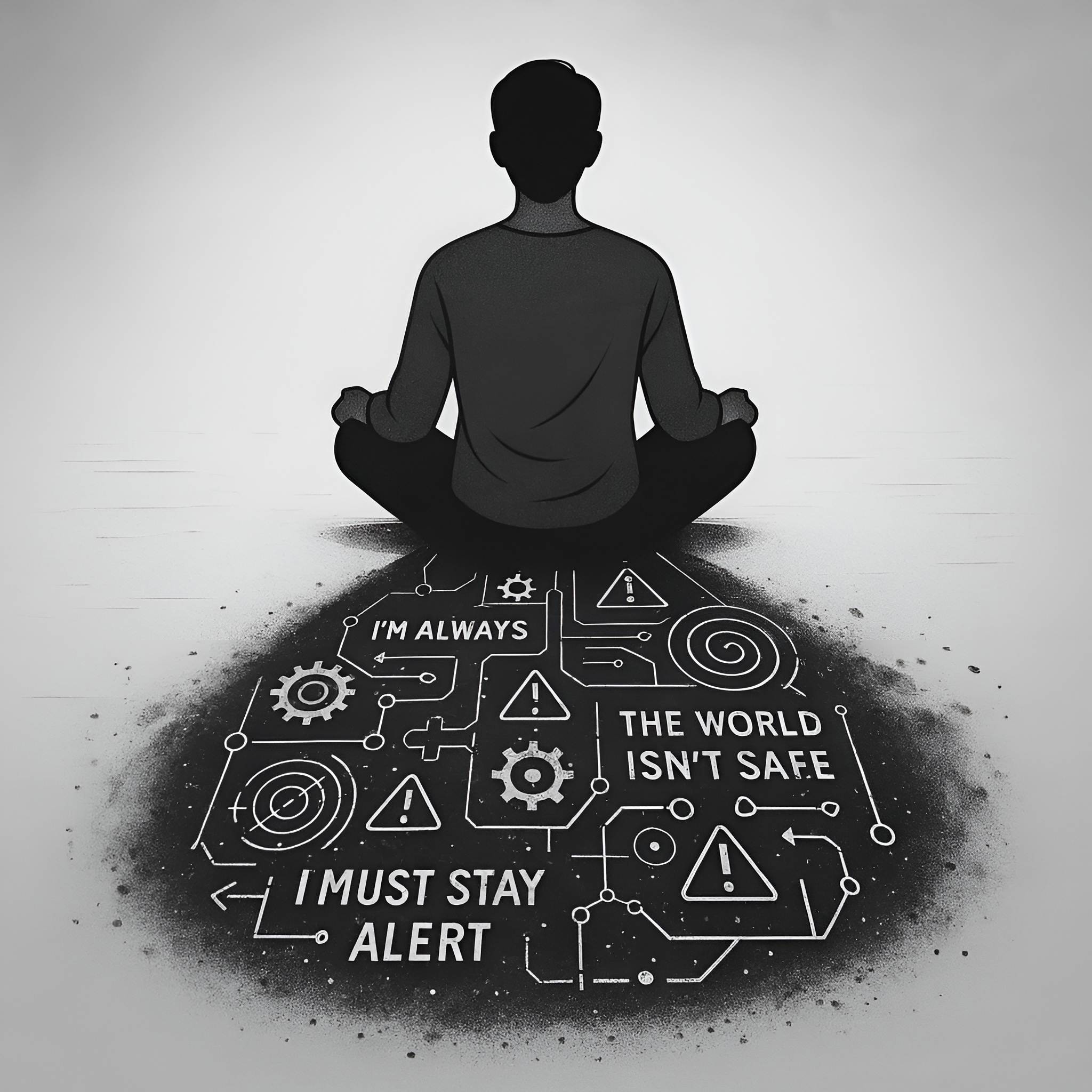
  • A thought arrives that horrifies you, contradicts everything you value, and refuses to leave on command.
  • You know the fear is excessive, and that knowledge does nothing to stop the next wave of it.
  • You replay the conversation, the drive home, the moment in the kitchen, looking for what you might have missed.
  • You have asked the same loved one for reassurance more times than you want to admit, and the relief never lasts.
  • Something does not feel "just right," and you cannot move forward until the sensation settles, however long it takes.
  • The mental rituals are invisible from the outside, and they can eat hours of your day without anyone knowing.

About this service

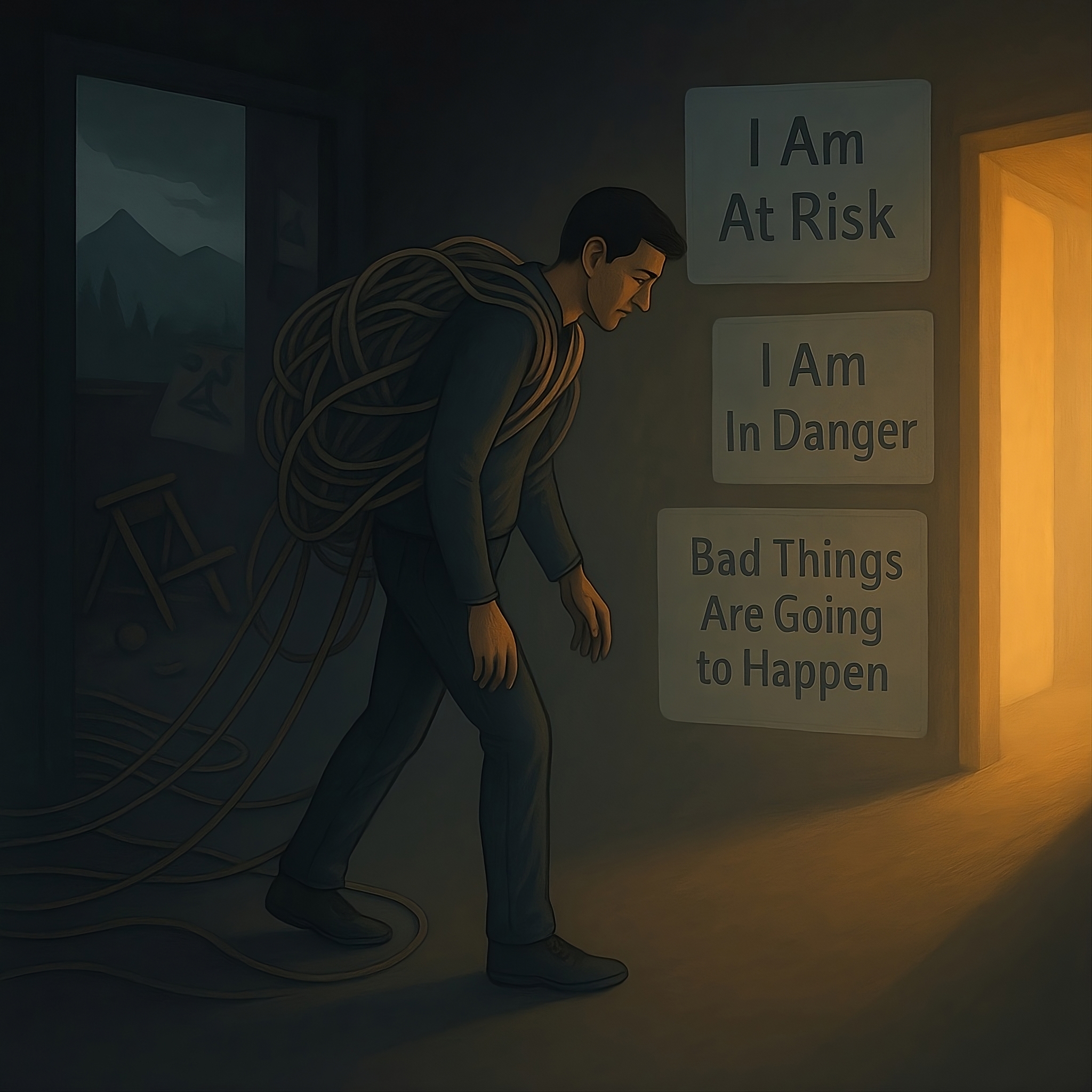
OCD isn’t quirky tidiness. It’s an internal contract between intrusive thought and compulsive behaviour, both running on the same loop. For Calgarians dealing with OCD, the intrusive thought might be contamination, relational doubt, harm, religious scrupulosity, or symmetry. The compulsion answers it, washing, checking, mental review, reassurance-seeking, and offers brief relief. The relief is what keeps the loop alive. Many clients we see arrive with some prior therapy experience. The piece prior approaches do not always reach is the belief layer driving the intrusive content in the first place: “I Am Responsible,” “It’s My Fault,” and “Bad Things Are Going To Happen”, identity-level rules that make the intrusive thought feel like evidence rather than noise. Our clinicians, working within the Identity-Level Therapy orientation, apply the ShiftGrit Core Method™, a structured clinical system that targets those underlying belief patterns through the Reconditioning technique. Clinicians on our team with specific ERP training may integrate ERP techniques where clinically appropriate. You’ll meet at our Mount Royal studio (815 17 Avenue SW), close to the Beltline and the 17th Avenue commercial corridor, with surface parking along 5 Street SW. Virtual sessions also available across Alberta via Jane online booking, used regularly by clients in Cochrane, Airdrie, and Lethbridge. Same-week appointments typically open.

Types of ocd we treat

Contamination and Cleaning OCD

Fears centred on germs, illness, bodily fluids, chemicals, or "feeling dirty." Compulsions typically include extensive washing, showering, cleaning, and avoiding contact with perceived contaminants. Many clients describe a sense of contamination that lingers even after objectively thorough cleaning, which is the signal that the fear is running on the belief layer rather than on actual hygiene logic.

Checking OCD

Repeated checking of locks, stoves, appliances, driving routes, emails, or messages, driven by fears of harm caused through negligence. The checking provides brief relief, then doubt returns and the cycle restarts. A common feature is leaving a location and feeling compelled to return, sometimes multiple times, even when the cognitive mind is confident the task was completed.

Pure O (Pure Obsessional)

Primarily mental obsessions paired with mental rituals: silent counting, praying, repeating phrases, mental review, neutralising thoughts. Often invisible from the outside, which is part of why Pure O gets missed or self-misidentified for years. The compulsions are real; they simply happen inside the head. Most Pure O presentations also include some reassurance-seeking and avoidance behaviours.

Harm OCD

Intrusive thoughts about harming oneself or others, almost always ego-dystonic, meaning the content contradicts who the person actually is. Clients with Harm OCD are statistically among the least likely to act on the thoughts; the suffering comes from the thoughts themselves and the meaning the mind assigns to having them. Compulsions often include avoidance of knives, driving, or being alone with vulnerable people.

Religious and Moral Scrupulosity

Fears of having sinned, blasphemed, offended a higher power, or violated a moral code. Compulsions include excessive prayer, confession, mental review of past actions, and reassurance-seeking from clergy or trusted figures. Scrupulosity can attach to any belief system, including secular ethics, and the felt stakes are typically catastrophic regardless of the framework involved.

Relationship OCD (ROCD)

Intrusive doubts about the relationship, the partner, or the depth of one's own feelings. Common content includes "do I really love them," "are they the right one," "am I attracted enough," "what if I am settling." Compulsions include constant mental comparison, monitoring of feelings, reassurance-seeking, and testing. ROCD frequently surfaces in otherwise healthy relationships and is not a signal that the relationship itself is wrong.

Symmetry and Just-Right OCD

A need for arrangements, actions, or internal sensations to feel "exactly right" before moving on. Less about a feared external outcome and more about an internal completion signal that refuses to arrive. Common in clients who also describe perfectionism and tactile sensitivity. Most OCD presentations include features of multiple subtypes; few clients sit neatly inside one category.

Deep dive

OCD


Identity-Level Therapy for OCD in Calgary

Identity-Level Therapy targets the belief patterns running underneath OCD. The limiting beliefs the compulsions try to neutralise. Reconditioning is the ShiftGrit Core Method™ technique that works those beliefs at the install point, so the intrusive thought stops drawing the same charge.

It’s organized around three pillars:


Limiting Beliefs Commonly Linked with OCD Therapy

These identity-level patterns frequently show up for clients seeking ocd therapy. Explore the beliefs to learn the “why” and how therapy can help you recondition them.

Visual belief card labelled “I Am Powerless” — part of ShiftGrit’s limiting belief schema.

“I Am Powerless”

The belief “I Am Powerless” often forms in environments where autonomy was suppressed and safety depended on submission. It creates chronic helplessness, low agency, and difficulty asserting needs…

Explore this belief
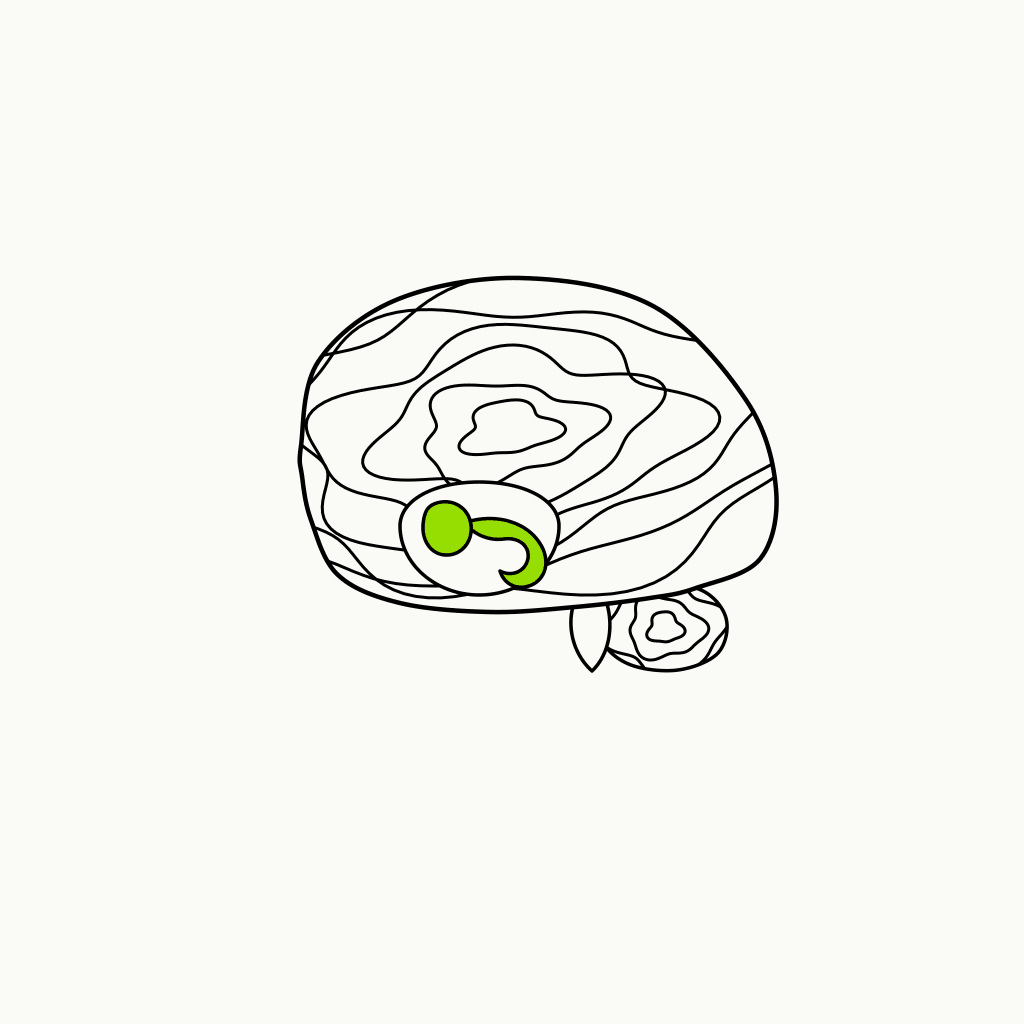
“Core Belief Re – I Am Responsible – from the ShiftGrit belief system periodic table”

“I Am Responsible”

When you believe you're responsible for everyone, you don’t just lend a hand—you take on the full weight of others’ wellbeing. You anticipate needs before they’re spoken, fix…

Explore this belief

Want to see how these fit into the bigger pattern map? Explore our full Limiting Belief Library to browse all core beliefs by schema domain and Lifetrap.


What to expect

  1. Enriched intake

    Your program begins with what we call an enriched intake. Your clinician works like a detective, gathering a current-functioning picture (sleep, mood, work, relationships, medical context) and a careful family-of-origin history. Along the way they listen for non-nurturing elements: the smaller-scale early experiences that shape later patterns and that clients often discount because they don't feel like "big" trauma. The intake closes with a treatment plan and a preview of how the program unfolds from here.

  2. Pattern mapping

    Once the picture is full enough, we move into pattern mapping. Together we build out the specific patterns that have been running underneath your OCD: the limiting belief at the core, the dysfunctional need it generates, the pressure that builds, the behaviours you fall into to relieve it, and the way the cycle ends up confirming the original belief. You'll also meet the "walnut brain," the older threat-detecting part of your nervous system that keeps these patterns running even when your cognitive mind knows better. The patterns get ranked, and that ranking sets the order of operations for the rest of the program.

  3. Seeing the full reach

    Most clients spend time exploring how a single limiting belief reaches across multiple areas of life: work, parenting, money, intimacy, health. This is the bridge from understanding the patterns intellectually to working on them at the nervous-system level.

  4. Core Method reconditioning

    The bulk of the program is the Core Method reconditioning work. Within the Identity-Level Therapy orientation, your clinician guides you through a structured protocol designed to update the limiting beliefs at the level where they actually run, not at the level of thought. The work can feel like the symptom intensifies briefly before it loosens; the method's stated principle is "truth over comfort." Most clients move through the protocol for multiple limiting beliefs, in the order set during pattern mapping.

  5. Integration and ideal reality

    As the underlying patterns shift, the work broadens. Sessions integrate the new patterns into real relationships, decisions, and life choices, drawing as appropriate from schema work, ACT, DBT, and life analysis. The stated endpoint of the program isn't "functional." It's what the method calls your ideal reality.

Program Overview

OCD isn’t about being neat or particular. Calgary OCD therapy at ShiftGrit treats obsessions and compulsions as a learned threat-resolution pattern — the brain treating uncertainty as danger and pushing for immediate relief through rituals, checking, mental review, or reassurance. The relief works briefly; the cycle strengthens. We work to change the relationship with the thoughts rather than fight them.

Our clinicians are trained in the ShiftGrit Core Method™, a structured clinical system applied within the Identity-Level Therapy orientation. Sessions map the OCD cycle in real time: intrusive thought, meaning assigned, anxiety, compulsion, brief relief, return. We work at the identity level with what your system fears the thought says about you — and what compulsions are trying to neutralize underneath the surface behaviour.

Clients often notice they can let an intrusive thought be present without acting on it, even when anxiety is active. The urge for certainty loosens its grip on what matters. Anxiety still shows up at times but feels less controlling. Mental compulsions — replaying, analyzing, seeking internal certainty — become easier to recognize as part of the loop, not solutions to it.
Meet Some of Our Calgary Therapists

Many of our Calgary clinicians work with ocd. Browse profiles, watch introduction videos, and book online when you're ready.


Trusted by Leading Psychology and Mental Health Organizations Serving Calgary

Our clinicians hold credentials recognized by the major licensing and professional bodies serving Calgary and across Canada.


Trusted By Alberta’s Leading Psychology & Mental Health Organizations

ShiftGrit Psychology & Counselling is professionally regulated, certified, and recognized by leading psychology and mental-health organizations across Alberta and Canada. These associations reflect our commitment to ethical practice, clinical standards, and evidence-informed therapy through Identity-Level Therapy and Reconditioning.

Regulated and affiliated across Alberta’s leading psychology, counselling, and mental-health organizations.


Regulated and affiliated across Canada's leading psychology, counselling, and mental-health organizations.

Book a session

Ready to start OCD Therapy in Calgary?

Connect with one of our Calgary therapists. Online booking available — same-week appointments are usually possible.

Patterns We Work With in OCD Therapy

The clinical category above is one frame. ShiftGrit’s Pattern Library looks at the same territory through identity-level patterns — the loops underneath the surface symptom that therapy can address at the belief layer.

OCD

OCD isn’t about being overly tidy, rigid, or particular — it’s how the brain responds to uncertainty, threat, and responsibility. Intrusive thoughts and compulsions reflect a nervo…

Read more →

Explore all OCD patterns →

FAQ

What's the difference between the Core Method and other OCD approaches?

Reconditioning is the technique inside the ShiftGrit Core Method™ that works the belief patterns the OCD is built on top of, often some combination of “I Am Responsible,” “It’s My Fault,” and “Bad Things Are Going To Happen.” It is our alternative for working the identity layer that drives the loop. External modalities like ERP (Exposure and Response Prevention) exist as separate evidence-based options on the market for the behavioural compulsion cycle; clinicians on our team with that specific training may integrate ERP techniques where clinically appropriate. The belief layer is what Reconditioning runs.

What is Pure O, and do you treat it?

Pure O, short for Pure Obsessional OCD, is a presentation where the obsessions are primarily mental and the compulsions are mental as well: silent counting, praying, mental review, repeating phrases, neutralising thoughts. From the outside it can look like nothing is happening. Inside, the rituals can consume hours. Yes, we work with Pure O. The Identity-Level Therapy framing fits the presentation well because much of Pure O suffering is identity-coded, meaning the intrusive content attacks who the person believes themselves to be. The belief-layer work targets that level directly.

How do I know if it's OCD or just anxiety?

Anxiety and OCD overlap, and the line is not always obvious. The clearest distinction lives in the content and the response. Anxiety tends to focus on plausible threats the person broadly endorses (deadlines, finances, health risks) and the worry can feel like rumination. OCD typically involves intrusive thoughts that are unwanted and often ego-dystonic, meaning they contradict the person’s values, paired with compulsions (visible or mental) aimed at neutralising the thought. If the response to the worry includes rituals, checking, reassurance-seeking, mental review, or avoidance designed to make the thought stop, OCD is worth investigating. Some clients arrive after a course of anxiety therapy calgary clinicians offered, only to find the rituals and the reassurance loop kept regenerating because the underlying picture was OCD rather than generalised anxiety. Clarifying the diagnostic picture is part of intake.

Do I need an OCD diagnosis to start therapy?

No. Therapy doesn’t require a formal diagnosis. We work with self-identified OCD, suspected OCD, and formally diagnosed OCD. Many clients begin therapy while still figuring out whether the picture is OCD, anxiety, trauma, or some combination, and the therapy work itself often clarifies what is going on. If you want a formal assessment, that is a separate process that can run in parallel or in sequence with therapy. The work doesn’t depend on a label being in place first.

Is OCD therapy covered by insurance in Alberta?

Most extended health benefit plans in Alberta cover sessions with Registered Psychologists. Coverage with Canadian Certified Counsellors and Registered Social Workers varies more by plan. Common per-year coverage caps are between $500 and $2,000. We provide receipts with the practitioner’s registration number for you to submit, and direct billing is available with several major insurers. If you’re unsure whether your specific plan covers our practitioners, call your insurer’s member line and ask whether sessions with the relevant credential are reimbursable, and at what rate.

Can OCD therapy replace medication?

No, and we do not position it that way. SSRIs are an evidence-based treatment for OCD and they target a different layer than therapy does. Medication and therapy are complementary; most clients with moderate to severe OCD do best with both. Decisions about whether to start, continue, or adjust medication belong with a physician or psychiatrist, not with a therapist. Identity-Level Therapy works on the belief patterns underneath the OCD and is not a substitute for medication for clients who benefit from it. We coordinate with prescribers when it is helpful.

What if I've done other OCD work before and the patterns are still there?

This is a common starting point for clients who come to us. Other OCD approaches can quiet symptom intensity on the surface, and they do not always touch the belief patterns the OCD is sitting on top of: the felt sense of being dangerous, contaminated, responsible for harm, or unable to tolerate uncertainty. When those patterns are still running, symptoms tend to migrate or return in new forms. For a meaningful share of clients, the belief patterns trace back to earlier adverse experiences, and the work can run alongside or in sequence with trauma therapy calgary clinicians provide. Reconditioning works that layer specifically. Bring whatever you have done into the first session; we build the plan from where you actually are.

How can I support a family member with OCD without accommodating it?

Family accommodation, things like providing reassurance, participating in rituals, or rearranging the household to prevent triggers, tends to maintain OCD even when it is offered from love. The most useful supports are: do not provide reassurance once it has become compulsive, do not participate in the rituals, and frame your support around the therapy work rather than around the avoidance. Naming this openly with the person, ideally during a calm moment rather than mid-episode, lowers conflict. Family members are welcome in sessions when the client wants that, and we can coach the response patterns directly.


Can I do OCD therapy online if I'm in Calgary?

Yes. We offer in-person sessions at our Mount Royal studio at 815 17 Ave SW #210, and virtual sessions across Alberta. Most OCD presentations work well in either format. Many Calgary therapists offer only in-person or only virtual, and clients often appreciate that we run both and decide the mix based on the actual presentation. For a few specific presentations, for example severe agoraphobic OCD, contamination OCD that has restricted a client’s ability to leave home, or cases where in-vivo exposure to specific settings is part of the plan, the in-person option can be part of the therapeutic strategy. We figure out the right mix at intake based on the actual presentation.

How long does OCD therapy typically take?

Adult OCD work in our practice usually runs between twelve and twenty-four sessions. The range is wide because OCD patterns can layer thick, and clients often arrive with several subtype features running at once (contamination plus checking, for example, or Pure O plus scrupulosity). We are transparent at intake about the expected length for your specific picture, and we re-evaluate together at the mid-process pattern check-in. The endpoint is not “no intrusive thoughts ever,” it is the underlying belief patterns no longer running the show, which is what the method calls your ideal reality.


More Calgary Therapy Guides

Life in Calgary moves fast—tight timelines, high expectations, and constant comparison. These guides explain why emotional patterns often feel louder here, how identity-level beliefs get triggered in high-demand environments, and what structured, evidence-informed therapy can actually change.

More Resources from ShiftGrit Psychology Calgary

Not in Calgary? See Edmonton options.

Authored by

ShiftGrit Clinical Editorial Team

The ShiftGrit Clinical Editorial Team combines the insight of registered psychologists, provisional psychologists, and trained writers to create accessible, evidence-informed therapy resources. All content is clinically reviewed by a Registered Psychologist.

Reviewed by registered psychologists at ShiftGrit, regulated by the College of Alberta Psychologists.