In-Person & Virtual Therapy

Depression Therapy in Calgary

Published Updated
Book Online

Does any of this sound like you?

  • A heaviness arrives in the morning that you cannot trace to anything that happened, and it sets the temperature of the whole day.
  • Tasks that used to be ordinary, replying to a message, making a meal, leaving the house, now require a level of effort that nobody around you can see.
  • The things that used to matter, the people, the work, the small pleasures, feel like they are happening behind glass.
  • Mornings have become an obstacle course of decisions you used to make without thinking, and you are exhausted before the day starts.
  • The voice that says "you should be able to do this" has gotten louder, and it does not help; it just adds shame to the heaviness.
  • You can tell the difference between sad and this, and the word that fits better is dim, or flat, or numb.

About this service

Depression often arrives slowly — a flattening of motivation, a quiet retreat from the things that used to register, a sense that whatever you do, it won’t actually change anything. Calgary clients come to ShiftGrit when the surface strategies stop working: when sleep, exercise, journalling, and gratitude lists have already been tried and the underlying weight hasn’t moved.

Our Mount Royal studio (815 17 Avenue SW) serves clients across Calgary within the Identity-Level Therapy orientation. Our clinicians are trained in the ShiftGrit Core Method™, a structured clinical system that targets the belief patterns making depression feel like a permanent setting rather than a temporary state. The focus is on reconditioning the identity-level loops driving the flat affect, not just managing it.

In-person and virtual options across Alberta, with same-week appointments typically available.

Types of depression we treat

Major Depressive Disorder (MDD)

Episodes of low mood, loss of interest, and functional impairment lasting two weeks or longer. Common features include sleep and appetite changes, fatigue, concentration difficulty, and a felt sense of weight that the cognitive mind cannot argue with. MDD often has a clear before-and-after for the client, even when the trigger is not obvious. Severity ranges from moderate to severe, and the right care plan often includes medication alongside therapy.

Persistent Depressive Disorder (Dysthymia)

A chronic, lower-grade depression that has often been present for years, sometimes for as long as the client can remember. Clients with dysthymia frequently describe it as "I have always been like this," which is one of the markers that distinguishes it from MDD. Function is usually preserved, and the cost shows up internally: low energy, low pleasure, low expectation. The belief layer underneath is usually long-running and identity-coded.

High-Functioning Depression

Externally productive, internally flat. Career, parenting, and obligations continue to get met, and the depression hides behind the competence. Clients in this presentation often delay seeking help for years because nothing has visibly fallen apart. The signal is internal: a persistent dimness, a sense of going through motions, and the private knowledge that the function is being held up by willpower rather than energy or interest.

Situational and Reactive Depression

Depression that follows a specific loss, change, or transition: a death, a divorce, a job loss, a move, a diagnosis, a child leaving home. The trigger is identifiable and the response is proportional, and the depression has settled in beyond what a normal grief or adjustment process would account for. Therapy in this presentation often works both the immediate loss and the older belief patterns the loss has activated.

Postpartum and Perinatal Depression

Depression that arrives during pregnancy or in the months after birth, distinct from the short-lived "baby blues." Features can include low mood, intrusive thoughts about the baby or about being a parent, difficulty bonding, sleep disruption beyond the newborn baseline, and a felt sense of failure at a role the client expected to feel natural. Perinatal depression is common, treatable, and frequently entangled with identity-level beliefs about worth, capability, and goodness.

Seasonal Affective Disorder (SAD)

A pattern of depressive episodes that arrive in autumn and winter and lift in spring, driven in part by reduced light exposure. Alberta winters are long and dark enough that SAD is a real factor for many clients in Calgary. Standard care often includes light therapy and lifestyle adjustments alongside therapy. The belief patterns underneath frequently activate seasonally as well, which is part of why some clients feel like a different person from November through March.

Anhedonic and Emotionally Numb Depression

A presentation where the dominant feature is not sadness but flatness. Clients describe it as "I do not feel anything," or a flat absence of pleasure that lingers past any external explanation" Joy, interest, and motivation have gone quiet, and the absence is more disturbing than acute pain would be. Anhedonic depression is still depression, and it responds to the same belief-layer work; the texture of the suffering is simply different from the classic picture.

Deep dive

Depression


Identity-Level Therapy for Depression in Calgary

Identity-Level Therapy targets the belief patterns running underneath depression: the "I am defective," "I am a burden," "I am permanently damaged" loops that medication and CBT can ease but rarely dissolve. The root layer.

It’s organized around three pillars:


Limiting Beliefs Commonly Linked with Depression Therapy

These identity-level patterns frequently show up for clients seeking depression therapy. Explore the beliefs to learn the “why” and how therapy can help you recondition them.

Visual representation of the belief ‘I’m Not Good Enough’ from the ShiftGrit Pattern Library, used in Identity-Level Therapy to help individuals recondition emotional patterns.

“I Am Not Good Enough”

“I’m Not Good Enough” isn’t just a negative thought — it’s a pattern formed by early experiences like criticism, neglect, or impossible expectations. This belief fuels perfectionism, people-pleasing,…

Explore this belief

Want to see how these fit into the bigger pattern map? Explore our full Limiting Belief Library to browse all core beliefs by schema domain and Lifetrap.


What to expect

  1. Enriched intake

    Your program begins with what we call an enriched intake. Your clinician works like a detective, gathering a current-functioning picture (sleep, mood, work, relationships, medical context) and a careful family-of-origin history. Along the way they listen for non-nurturing elements: the smaller-scale early experiences that shape later patterns and that clients often discount because they don't feel like "big" trauma. The intake closes with a treatment plan and a preview of how the program unfolds from here.

  2. Pattern mapping

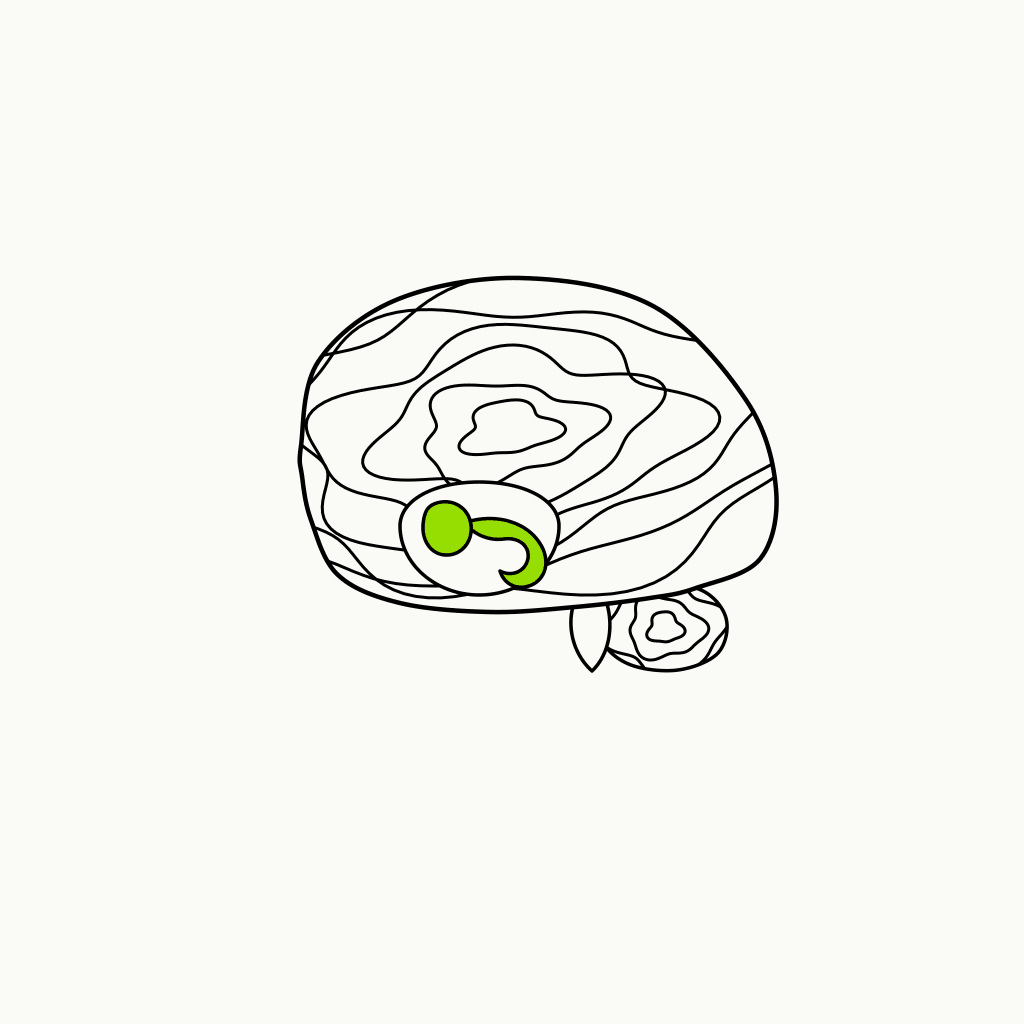
    Once the picture is full enough, we move into pattern mapping. Together we build out the specific patterns that have been running underneath your depression: the limiting belief at the core, the dysfunctional need it generates, the pressure that builds, the behaviours you fall into to relieve it, and the way the cycle ends up confirming the original belief. You'll also meet the "walnut brain," the older threat-detecting part of your nervous system that keeps these patterns running even when your cognitive mind knows better. The patterns get ranked, and that ranking sets the order of operations for the rest of the program.

  3. Seeing the full reach

    Most clients spend time exploring how a single limiting belief reaches across multiple areas of life: work, parenting, money, intimacy, health. This is the bridge from understanding the patterns intellectually to working on them at the nervous-system level.

  4. Core Method reconditioning

    The bulk of the program is the Core Method reconditioning work. Within the Identity-Level Therapy orientation, your clinician guides you through a structured protocol designed to update the limiting beliefs at the level where they actually run, not at the level of thought. The work can feel like the symptom intensifies briefly before it loosens; the method's stated principle is "truth over comfort." Most clients move through the protocol for multiple limiting beliefs, in the order set during pattern mapping.

  5. Integration and ideal reality

    As the underlying patterns shift, the work broadens. Sessions integrate the new patterns into real relationships, decisions, and life choices, drawing as appropriate from schema work, ACT, DBT, and life analysis. The stated endpoint of the program isn't "functional." It's what the method calls your ideal reality.

Program Overview

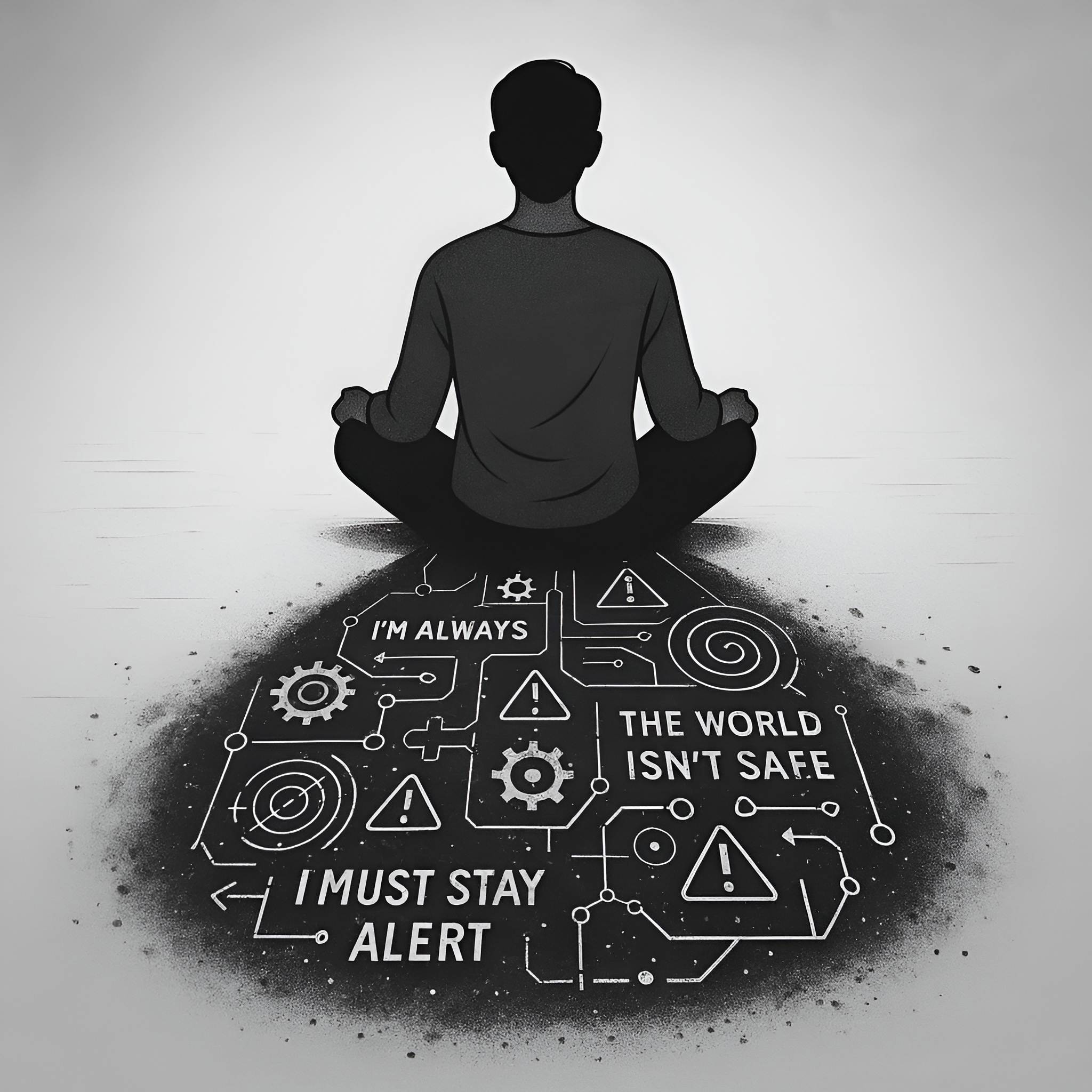
Depression isn’t just sadness. Calgary depression therapy at ShiftGrit treats chronic low mood as protective shutdown — a nervous system that has learned, through repeated experience, that effort, hope, or emotional investment no longer reliably lead to safety, reward, or connection. Pulling back is an adaptation, not a flaw. We work with the system that learned it.

Our clinicians are trained in the ShiftGrit Core Method™, a structured clinical system applied within the Identity-Level Therapy orientation. Sessions trace the patterns underneath — past experiences where trying led to disappointment, beliefs about your worth or capacity that hardened over time, the meaning your system attached to those losses. We work at the identity level rather than pushing motivation before the system feels safe enough to engage.

Clients typically notice slight, inconsistent increases in energy. Critical thought patterns get noticed without being automatically believed. Daily routines become more sustainable. The work isn’t about forcing positivity — it’s about loosening the protective conservation mode so vitality and connection have room to return at a pace your system can trust.

Meet Some of Our Calgary Therapists

Many of our Calgary clinicians work with depression. Browse profiles, watch introduction videos, and book online when you're ready.


Trusted by Leading Psychology and Mental Health Organizations Serving Calgary

Our clinicians hold credentials recognized by the major licensing and professional bodies serving Calgary and across Canada.


Trusted By Alberta’s Leading Psychology & Mental Health Organizations

ShiftGrit Psychology & Counselling is professionally regulated, certified, and recognized by leading psychology and mental-health organizations across Alberta and Canada. These associations reflect our commitment to ethical practice, clinical standards, and evidence-informed therapy through Identity-Level Therapy and Reconditioning.

Regulated and affiliated across Alberta’s leading psychology, counselling, and mental-health organizations.


Regulated and affiliated across Canada's leading psychology, counselling, and mental-health organizations.

Book a session

Ready to start Depression Therapy in Calgary?

Connect with one of our Calgary therapists. Online booking available — same-week appointments are usually possible.

Patterns We Work With in Depression Therapy

The clinical category above is one frame. ShiftGrit’s Pattern Library looks at the same territory through identity-level patterns — the loops underneath the surface symptom that therapy can address at the belief layer.

Depression

It isn’t just sadness — it’s a learned pattern of emotional shutdown, reduced motivation, and withdrawal that develops when the nervous system decides effort no longer leads to rel…

Read more →

Emotional Numbing / Shutdown

Emotional numbing isn’t the absence of feeling because something is wrong — it’s what happens when your nervous system decides that feeling too much is unsafe. The system downshift…

Read more →

Explore all Depression patterns →

FAQ

What's the difference between depression therapy and CBT?

Cognitive Behavioural Therapy (CBT) is an established evidence-based treatment for depression. It works by identifying and challenging the thought patterns that maintain the depressive loop: cognitive distortions, all-or-nothing thinking, negative filtering, and so on. ShiftGrit’s Identity-Level Therapy works the layer underneath the thoughts: the belief patterns the depression is built on top of, things like “I am defective,” “I am a burden,” “I am unwanted,” and “I don’t matter.” Many clients benefit from both. CBT can reduce the volume of the depressive thinking, and the belief-layer work addresses what the thoughts are pointing at. The two orientations are complementary rather than competing, and the right sequence depends on the presentation.

Can therapy replace antidepressants?

No, and we do not position it that way. SSRIs and related medications are evidence-based for moderate to severe depression, and they target a different layer than therapy does. Medication decisions belong with a physician or psychiatrist, not with a therapist. Many clients with significant depression do best with both medication and therapy running in parallel, because they work different layers of the same problem. Identity-Level Therapy addresses the belief patterns underneath the depression and is not a substitute for medication for clients who benefit from it. We coordinate with prescribers when it is helpful, and we never advise clients to stop or change medication outside of a conversation with their physician.



How do I know if I'm depressed or just going through a hard time?

Hard times tend to resolve, or at least loosen, when the circumstances do. Depression often does not. The clearer signals are: the heaviness persists past the trigger, sometimes long after; function flattens in areas the original event would not account for; the things that used to bring joy stop reliably delivering it; and the state lingers without a current external reason. Energy, sleep, appetite, concentration, and motivation often shift together. A hard time and depression can also overlap, and so can depression and anxiety; some clients arrive after a round of anxiety therapy calgary clinicians offered, surprised to find the underlying picture had a depressive layer the anxiety work did not reach. Intake clarifies which picture is running.

Do I need a diagnosis to start depression therapy?

No. Therapy doesn’t require a formal diagnosis. We work with self-identified depression, suspected depression, and formally diagnosed depression. Many clients begin therapy while still figuring out whether what they’re experiencing is depression, burnout, grief, or some combination, and the therapy work itself often clarifies what is going on. If you want a formal assessment, that is a separate process that can run in parallel or in sequence with therapy. The work doesn’t depend on a label being in place first.

Is depression therapy covered by insurance in Alberta?

Most extended health benefit plans in Alberta cover sessions with Registered Psychologists. Coverage with Canadian Certified Counsellors and Registered Social Workers varies more by plan. Common per-year coverage caps are between $500 and $2,000. We provide receipts with the practitioner’s registration number for you to submit, and direct billing is available with several major insurers. If you’re unsure whether your specific plan covers our practitioners, call your insurer’s member line and ask whether sessions with the relevant credential are reimbursable, and at what rate.

What if I'm not sad, just numb / empty / flat?

Yes, that is still depression. Anhedonic depression, where the dominant feature is flatness rather than sadness, is one of the most common presentations we see and one of the most commonly missed. Clients describe it as “I do not feel anything,” and as a quiet, persistent inability to locate the things that used to bring joy. The numbness can be more disorienting than acute pain, because there is no obvious thing to point at. The belief layer underneath an anhedonic presentation is often something like “I don’t matter” or “I am defective,” and the work responds the same way regardless of whether the surface texture is sadness or numbness.

What if I've tried therapy for depression before and it didn't work?

This is a common starting point for clients who come to us. Previous therapy work may have helped at the level of thought patterns, coping skills, or symptom management, and the underlying belief patterns the depression is sitting on top of may still be running. For some clients those patterns trace into self-esteem; for others they trace into earlier adverse experiences, and the work can run alongside self esteem therapy calgary clinicians offer or trauma therapy calgary clinicians provide depending on what the picture calls for. When those patterns are untouched, symptoms tend to return, often in slightly different forms or under slightly different triggers. Identity-Level Therapy works that belief layer specifically. Many of our depression clients have done CBT, supportive counselling, or medication work, gained ground from it, and arrive looking for the depth work that addresses what is left.

Can I do depression therapy online if I'm in Calgary?

Yes. We offer in-person sessions at our Mount Royal studio at 815 17 Ave SW #210, and virtual sessions across Alberta. Depression work often runs especially well virtually, because the depression itself frequently reduces the motivation and energy required to leave the house, get into the car, and show up to a clinic. Many Calgary therapists offer one format only, and removing that friction with a virtual option can be the difference between attending sessions consistently and dropping out. Some clients prefer the in-person option once energy returns. We figure out the right mix at intake based on the actual presentation.

How long does depression therapy typically take?

Adult depression work in our practice usually runs between twelve and twenty sessions, and the range depends on the type and severity of the picture. Situational and reactive depression often moves faster. Persistent depressive disorder (dysthymia) and long-running treatment-resistant depression typically run longer, sometimes considerably longer, because the underlying belief patterns have been in place for years and the work goes deeper. We are transparent at intake about the expected length for your specific presentation, and we re-evaluate together at the mid-process pattern check-in.

What if I'm having thoughts of self-harm or suicide?

If you are in crisis right now, please call or text 988 (Talk Suicide Canada / Suicide Crisis Helpline) or go to your nearest emergency room. Both are free, confidential, and available 24/7. Therapy is an important part of longer-term recovery from depression, and it is not a crisis resource. A first session with us is not a crisis intervention, and our intake process is not designed to provide immediate safety support. Please use 988 or an ER for that, and then we can work alongside that care once you are stable. If you are having intrusive or passive thoughts about death without an active plan, that is something to bring up directly in your first session so we can build the right plan together.


More Calgary Therapy Guides

Life in Calgary moves fast—tight timelines, high expectations, and constant comparison. These guides explain why emotional patterns often feel louder here, how identity-level beliefs get triggered in high-demand environments, and what structured, evidence-informed therapy can actually change.

More Resources from ShiftGrit Psychology Calgary

Not in Calgary? See Edmonton options.

Authored by

ShiftGrit Clinical Editorial Team

The ShiftGrit Clinical Editorial Team combines the insight of registered psychologists, provisional psychologists, and trained writers to create accessible, evidence-informed therapy resources. All content is clinically reviewed by a Registered Psychologist.

Reviewed by registered psychologists at ShiftGrit, regulated by the College of Alberta Psychologists.