Table of Contents
Why we react before we think.
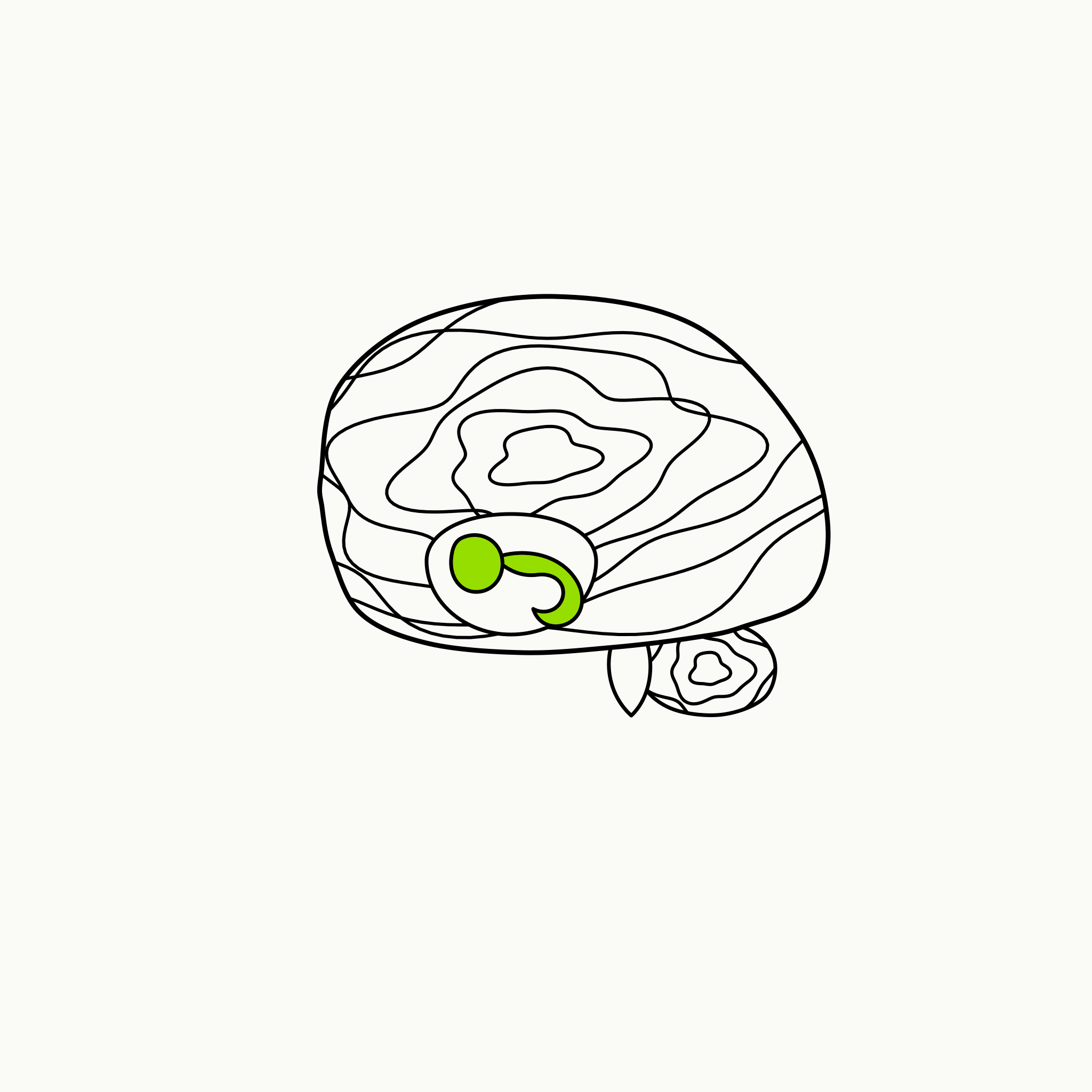
At ShiftGrit, we use the term “Walnut Brain” to describe the threat-detection system in your nervous system — the part that reacts before your logical mind has time to weigh in.
It’s fast. It’s protective.
And it doesn’t care if the threat is real — only that it feels familiar.
What Is the Walnut Brain?
The Walnut Brain is our metaphor for the amygdala-dominated, reactive brain system.
It includes structures like:
- The amygdala (emotional alarm)
- The hippocampus (pattern memory)
- The hypothalamus (fight-flight-freeze signals)
This part of the brain evolved to keep us safe from danger.
But in modern life, it often responds to emotional memories — not actual threats.
Why It Matters in Therapy
When your Walnut Brain fires, it can trigger:
- Emotional outbursts
- Shutdowns
- Avoidance behaviours
- Irrational thoughts that feel real
It happens before you can “logic” your way out of it.
That’s why insight alone doesn’t always help — the pattern lives in the reactive brain, not the thinking brain.
From the Blog: Limiting Belief Patterns



How We Work With It at ShiftGrit
Rather than trying to talk the Walnut Brain down, we help it update its threat filter.
We do this through imaginal exposure, guided reconditioning, and pattern mapping.
This lets your system realize:
“That belief isn’t true anymore — and I’m safe enough to respond differently.”
After Reconditioning
When the Walnut Brain is no longer firing false alarms:
- You feel less hijacked by emotion
- You stay in your logical mind longer
- You respond instead of react
This is when therapy starts to feel like freedom, not just management.
Want to learn more about how we recondition the patterns that trigger the Walnut Brain?
👉 Explore Identity Pattern Therapy
Explore our Therapy Glossary of Defined Terms — a structured reference for key concepts that underpin pattern-based therapy and the ShiftGrit Core Method™.
The looping, sticky, hard-to-shake quality of walnut-brain shows up heavily in the clients who reach out for ocd therapy calgary, and, more often than people expect, in the clients looking for trauma therapy calgary. Same machinery underneath, different surface story. The intervention target isn’t the loop itself. The intervention target is the belief the loop is trying to protect, the quiet conviction that if attention slips for even a moment, something unsurvivable is about to happen.
The walnut-brain pattern shows up most clearly in trauma. The brain literally narrows its bandwidth around the threat, and even years later, a smell or a sound can collapse a person back into the original moment. This is why generic stress advice rarely works for trauma survivors, and it is also the reason PTSD therapy in Calgary needs to move beyond coping strategies and address the belief patterns the brain encoded during the event. Until those beliefs about safety and trust shift, the walnut-brain response keeps firing on schedule.
The “walnut brain” framing lands particularly hard for adults who only got the ADHD diagnosis in their thirties or forties. Decades of running on adrenaline, urgency, and self-criticism, with the prefrontal-cortex regulation piece doing inconsistent work the whole time. The diagnosis arrives and reframes the history, but the identity layer does not automatically follow. Working with an ADHD therapist in Edmonton on the belief side of that history, rather than just the management side, is often what lets the new framing actually integrate instead of sitting next to the old one. The Core Method™ exists for that part of the work.
The walnut brain framing matters most in moments when the prefrontal cortex has already gone offline and the limbic system is running the show. That is the snap on the Yellowhead, the eruption at the kitchen table, the email reply that should never have been sent. Skills training assumes the executive layer is still online to deploy them. Reconditioning works the layer underneath, so the limbic spike is smaller before the executive layer is even tested. Edmonton clients looking for an anger therapist edmonton who works this layer can book individual sessions at our 124 Street location or virtually across Alberta.
The walnut-brain dynamic is not regional, but the surroundings change the texture of how it presents. An ADHD therapist in Toronto at ShiftGrit working this layer sees the loop wearing finance hours, tech sprint deadlines, and TTC delays; the underlying mechanics stay the same: the limbic spike outruns prefrontal regulation, and the executive layer never gets a clean shot. An ADHD therapist in Vancouver works with clients carrying the same loop in tech, healthcare, and remote-first roles, often with the additional layer of high-cost-of-living pressure squeezing the regulation window further. For the anger variant of the same mechanic, an anger therapist in Vancouver at ShiftGrit treats the eruption as a downstream symptom of the same prefrontal-offline pattern rather than as a discipline failure.

