









































































Where this belief fits
Schema Domain: Disconnection & Rejection
Lifetrap: Defectiveness / Shame
Non-Nurturing Elements™ (Precursors):
How this belief keeps repeating:
Evidence Pile
When this belief is active, the mind often points to mistakes, disagreement, or uncertainty as evidence that one’s judgement or perspective cannot be trusted.
Show common “proof” items
- Being corrected or disagreed with
- Making decisions that don’t turn out as hoped
- Needing reassurance before acting
- Others appearing more confident or decisive
- Hesitation or uncertainty interpreted as incompetence
- Past errors recalled as defining moments
Constantly monitoring for errors or second-guessing oneself can build internal tension, leading to mental fatigue and hesitation over time.
Show common signals
- Mental looping or overthinking
- Difficulty committing to decisions
- Anxiety around being evaluated or questioned
- Feeling mentally “stuck” or overwhelmed
- Delayed action despite effort
- Loss of confidence under pressure
When the strain becomes too much, the system may release by avoiding decision-making or outsourcing responsibility for choices.
Show Opt-Out patterns
- Deferring decisions to others
- Avoiding leadership or visibility
- Excessive checking or reassurance-seeking
- Procrastination framed as “waiting for clarity”
- Staying silent rather than expressing views
- Rigid rule-following to avoid error
This belief doesn’t shout — it whispers.
Every time you second-guess yourself.
Every time you default to “they must be right.”
Every time you apologize for just… existing.
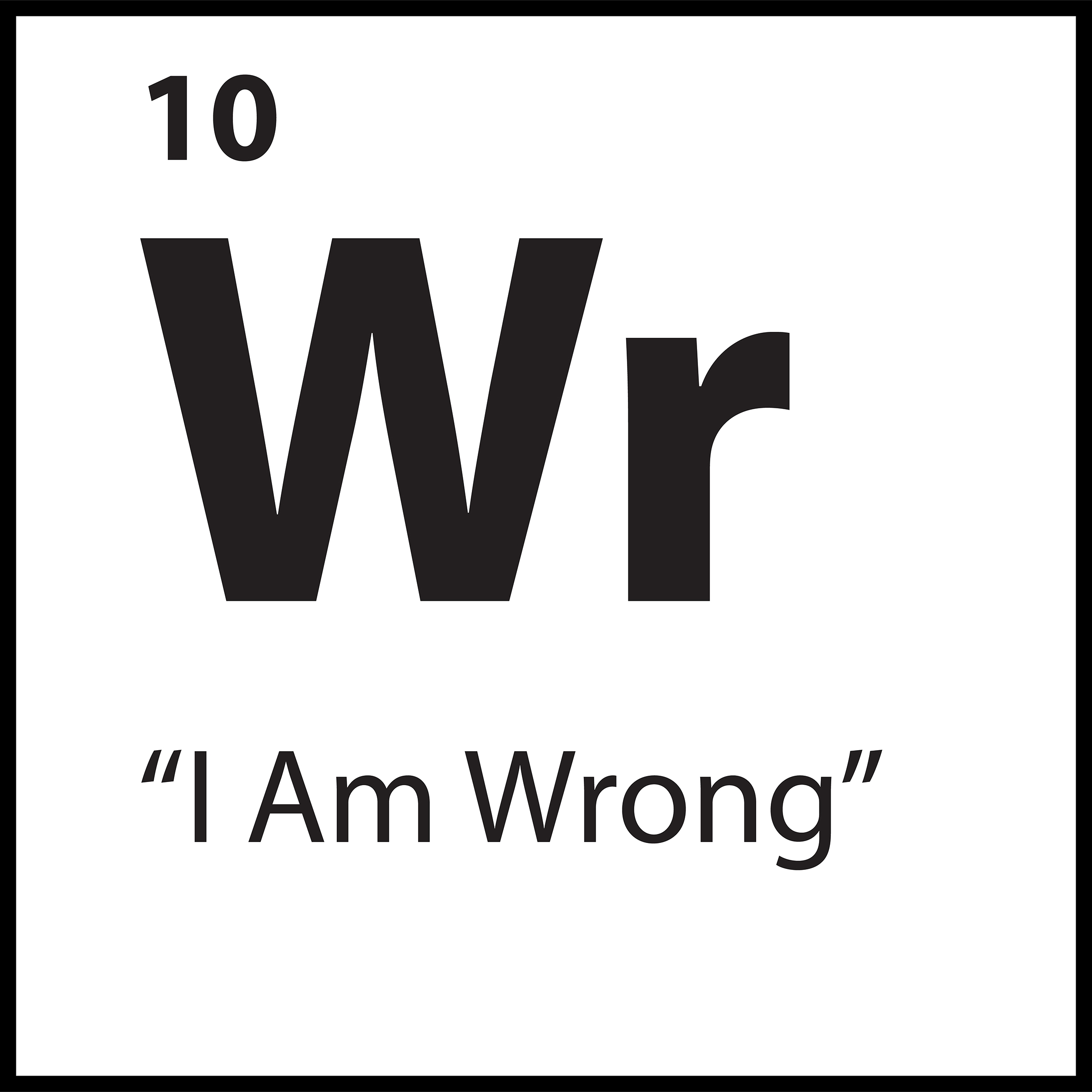
“I Am Wrong” isn’t about being incorrect — it’s about identity.
It’s the quiet, chronic sense that something about you is flawed — not just what you do, but who you are.
What It Sounds Like Internally:
- “Why can’t I just get it right?”
- “I must have misunderstood.”
- “There’s something off about me.”
Where It Shows Up:
- Constantly second-guessing your opinions or actions
- Apologizing even when you haven’t done anything wrong
- Avoiding conflict because you assume you’ll be invalidated
- Feeling like you’re always the one who has to adjust
Common Emotional Triggers:
This belief doesn’t just cause self-doubt. It creates a nervous system that braces for correction, punishment, or exposure, even in neutral settings.
- Being Corrected (Even Gently). A small factual correction, tone note, or suggestion can feel like a personal attack, reinforcing a shame spiral.
- Conflict or Disagreement. Any differing opinion may instantly register as evidence that you must be wrong, often followed by over-apologising or shutting down.
- Being Asked to Explain Yourself. When someone asks “why?” or “what do you mean?” it can feel like interrogation, triggering panic or confusion.
- Speaking in Front of Others. Presenting, teaching, or even casual sharing can activate fear that you’ll say something stupid or be proven wrong.
- Authority Figures or Experts. Doctors, teachers, bosses, anyone with perceived authority, may trigger a default “they’re right, I’m wrong” response.
- Having a Different View or Preference. Even harmless differences (e.g., taste in food, politics, parenting) may spark guilt, anxiety, or internal collapse.
This belief wires you to equate being mistaken with being unworthy. Blurring the line between error and identity.
What It Can Lead To:
Unchecked, this belief often evolves into:
- “If I speak up, I’ll be exposed.”
- “They’ll see I’m not actually who they think I am.”
- “My feelings aren’t valid.”
What Therapy Targets:
We don’t just help you “believe in yourself.”
We rewire the survival loop that flags self-expression as a threat.
Through Pattern Reconditioning, we help you trust your own voice — even when it’s different from the room you’re in.
👉 Explore the Therapy Approach →
👉 See the Full Pattern Breakdown →