Identity-Level Therapy
Identity-Level Therapy targets the belief patterns and emotional loops driving automatic reactions—not just the surface symptoms.
By working at the identity layer, clients shift how they interpret safety, regulate threat, and relate to themselves and others.
The result: reconditioning at the root of shame, self-sabotage, reactivity, and overwhelm.
It’s organized around three pillars:
ShiftGrit Core Method™ — our structured framework for breaking outdated identity patterns.
The Pattern Library — real-world examples of loops like perfectionism, procrastination, and shutdown.
The Glossary — clear definitions that keep the language sharp and the process transparent.
By organizing therapy at the identity layer, we cut through confusion and get to the root—transforming the loops that hold people back.
For the foundational definition of Identity-Level Therapy, see What ShiftGrit Is — the ShiftGrit Core Method™, Pattern Theory™, and the clinical structure behind the approach.















Edmonton ADHD Patterns: Why High-Demand Workplaces Expose Executive Function Loops
ADHD in Edmonton looks different than ADHD in flexible-work cities because Edmonton’s biggest sectors run on the conditions…
 By
By
Edmonton Depression Patterns: Why Low Mood Hits Harder Here — And What Actually Helps
Depression in Edmonton isn’t the same as depression in Vancouver or Toronto. The combination of long northern winters,…

Edmonton Rejection Sensitivity and ADHD: Why Feedback Feels So Big
Edmonton’s professional landscape is dense with formal feedback culture. Government performance reviews, engineering peer reviews, healthcare audits, academic…
Edmonton Financial Anxiety: Why Our City Feels “Behind” — And Why Money Stress Hits So Hard Here
Edmonton runs on energy cycles, government employment, and a steady undercurrent of economic uncertainty most Canadians don’t live…
Bipolar Patterns & Mood Instability
Bipolar disorder is characterized by periods of fluctuations in mood that range from depression to periods of mania…
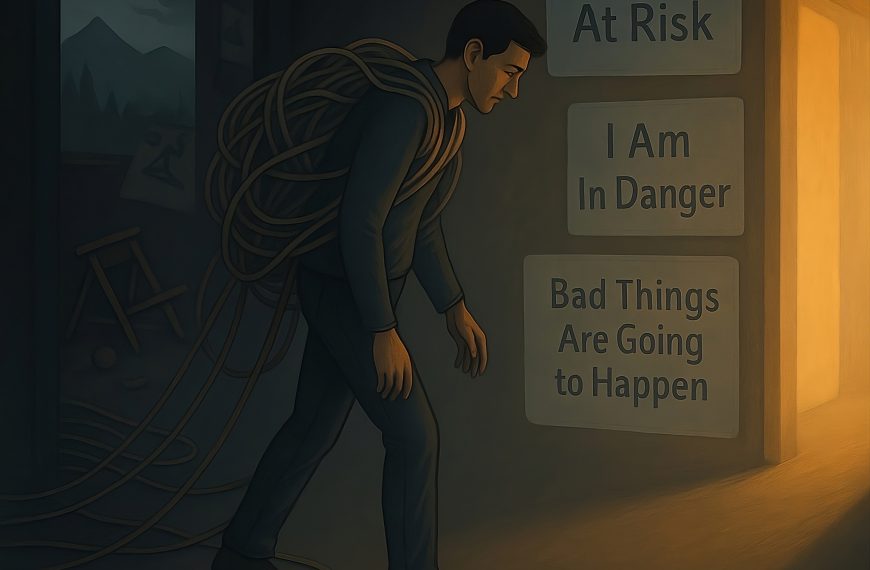
Anxiety
Anxiety doesn’t just live in your thoughts—it’s embedded in the deeper patterns that shape your sense of safety…