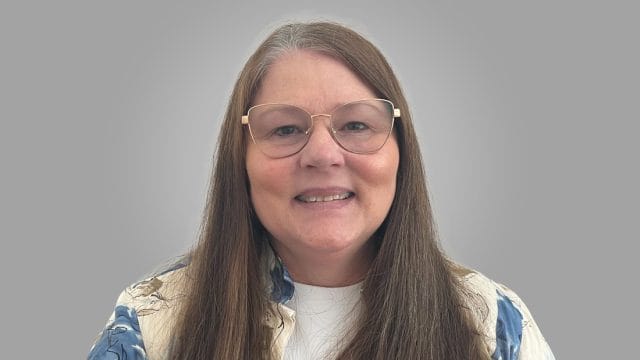

MSW, RSW

Like all Shift Therapists, Kursten MacKenzie is trained in the ShiftGrit Core Method™
Coverage depends on the insurance plan. Check with your insurance provider to see if your plan covers one of the listed designations.
Eligible provinces and territories are highlighted.
Full Name & Credentials
Kursten MacKenzie, MSW, RSW
Professional Title
Registered Social Worker
Educational Background
My education provided a strong foundation in human development, mental health, systems-informed practice, and evidence-based support across the lifespan. This background integrates with the ShiftGrit Core Method™, allowing me to combine structured, research-informed strategies with a flexible and individualized approach to therapy.
Core Clinical Specialties
Client Populations You Serve
Non-Clinical Concerns You Support
I integrate the following training with the ShiftGrit Core Method™ to offer evidence-informed, trauma-informed, skills-based, and collaborative care:
I have specialized experience connected to military, RCMP, first responder, frontline, and healthcare environments. As a reservist in the Canadian Armed Forces and a Medical Technician in a military hospital, I gained firsthand exposure to high-pressure service settings, operational culture, and the effects of stress, responsibility, trauma exposure, and moral complexity on individuals and families.
My work connected to DND, the RCMP, and first responders strengthened my understanding of service navigation, complex systems, and barriers to accessing the right support. This experience helps me offer practical, culturally aware care to clients in service-based professions.
How I use the ShiftGrit Core Method™
The ShiftGrit Core Method™ helps clients move beyond simply managing symptoms and begin identifying the deeper patterns that keep them stuck. I use it to uncover core beliefs, protective strategies, and identity-level patterns that may be shaping relationships, coping, self-worth, avoidance, perfectionism, shame, or distress. Together, we slow things down, map the pattern, and identify what a behaviour or response has been trying to protect so clients can relate to themselves with more compassion, understanding, and choice.
How I integrate other approaches
I integrate the Core Method most closely with Acceptance and Commitment Therapy. The Core Method helps identify and recondition identity-level patterns, while ACT supports psychological flexibility, values clarification, acceptance, defusion from difficult thoughts, and committed action. I also integrate CBT, DBT-informed skills, trauma-informed care, and solution-focused approaches according to each client's needs.
My approach
My approach is structured, curious, and collaborative. I help clients understand not only what they are doing, but why certain patterns exist, how they have been reinforced, and what becomes possible when they begin relating to themselves differently. My work is grounded in curiosity, compassion, humour, and practical change.
My background
Before becoming a social worker, I served as a reservist in the Canadian Armed Forces in Halifax, Nova Scotia, and spent much of my 11 years as a Medical Technician working in a military hospital. I later worked as a Business Development Manager with EHN Guardians and in work connected to the RCMP. These experiences shaped my respect for military, RCMP, first responder, and frontline communities, and continue to inform my commitment to trauma-informed, practical, and culturally aware care.
A lesson I've carried from my personal life
None of us is an island. Having people who can offer connection, perspective, steadiness, or care can make a meaningful difference in how we move through hardship.
A perspective people may not expect from me
I am often willing to challenge the rules and expectations we take for granted. Questioning assumptions can open the door to better problem-solving, greater creativity, and more values-aligned choices.
A hobby that grounds me
Pottery. It is humbling and completely consuming, requiring patience, presence, and a willingness to let go of perfection.
Some of my favourite rituals and pastimes
Morning coffee and Friday nights. I enjoy fancy dinners, trying new food, road trips, movies, intriguing TV shows, great music, and planning travel or weekends around shows and music festivals.
Something surprising about me
Before settling in Calgary, I lived in the Annapolis Valley, Halifax, Cape Breton, and Regina. Each place shaped me differently and gave me a deep appreciation for community, adaptability, and finding home in new places.
What clients can expect
I offer perspective, insight, and genuine curiosity. I value humour in the therapy space and believe that, when used thoughtfully, it can create ease, connection, and breathing room in difficult conversations. Clients can expect clarity within chaos, gentle challenge, and sincere observations that help them understand themselves and their patterns.
What a first session is like
I will greet you with a warm smile, genuine interest, and more than a few questions. I want to understand what it is like to live a day in your life: how you experience yourself, your relationships, stressors, hopes, and the patterns that may be getting in the way.
What I hope clients walk away with
A sense of hope and possibility, and the feeling that they have been truly seen.
A podcast I recently engaged with
The Line. Its courtroom confessions, moral complexity, and questions about responsibility, loyalty, and accountability invite reflection on how people make decisions under extreme pressure, how systems shape behaviour, and what it means to live with the consequences of those choices.
A book that shaped me
Educated by Tara Westover. Its exploration of identity, family loyalty, resilience, and self-understanding reinforced for me the power of developing language, perspective, and agency.
A mantra I live by
Practice makes progress. Growth is not about getting things perfect; it is about showing up, trying again, learning from what happens, and making small shifts over time.
Populations and concerns I am especially interested in
Additional areas of expertise
A professional challenge I overcame
I learned that ambivalence is not the same as resistance; it is often a meaningful part of the change process. This has been especially important in my work with addictions, eating disorders, trauma, and major life transitions. I now approach ambivalence with curiosity rather than pressure, helping clients explore what a behaviour or pattern has been doing for them, what it may be costing them, and what values or hopes might be pulling them toward something different.
A future specialization I am interested in
Psychedelic-assisted therapy. I am interested in its potential to deepen emotional processing and help clients access new perspectives, always within a safe, ethical, and evidence-informed framework.
An area of growth I am focused on now
Consistency. I am learning to value it not as rigidity or perfection, but as a steady commitment to showing up for the things that matter.
I believe therapy works best when clients feel both deeply accepted as they are and supported to become who they want to be. It thrives on honesty, risk-taking, compassion, and a willingness to be curious about what is happening both inside and outside the room.
Safety in therapy does not mean avoiding discomfort; it means creating enough trust that you can approach difficult things with support. I want you to feel seen, respected, and understood while also feeling encouraged to take the risks that meaningful change often requires.

ShiftGrit Psychology & Counselling
Address: 815 17 Avenue SW #210,
Calgary, AB, T2T 0A1, Canada
Phone: (587) 352-6463
ShiftGrit Psychology & Counselling
Address: 10445 124 Street,
Edmonton, AB,T5N 1R7, Canada
Phone: (780) 705-6463
ShiftGrit Psychology & Counselling
Areas served: British Columbia
Phone: +1 888-352-7270
ShiftGrit Psychology & Counselling
Areas served: Ontario
Phone: +1 888-352-7270
© 2014–2025 ShiftGrit. All rights reserved. | Sitemap | Editorial Standards