Identity-Level Therapy
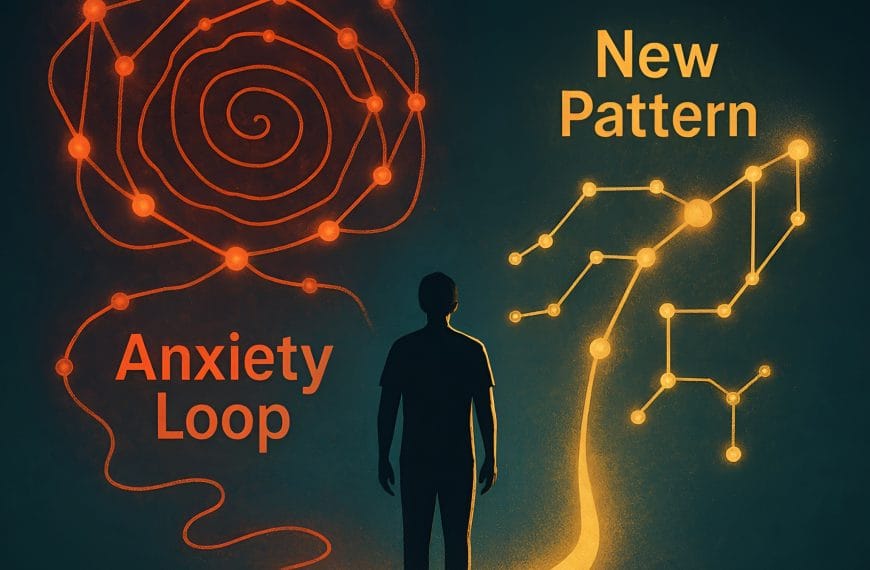
Identity-Level Therapy targets the belief patterns and emotional loops driving automatic reactions—not just the surface symptoms.
By working at the identity layer, clients shift how they interpret safety, regulate threat, and relate to themselves and others.
The result: reconditioning at the root of shame, self-sabotage, reactivity, and overwhelm.
It’s organized around three pillars:
ShiftGrit Core Method™ — our structured framework for breaking outdated identity patterns.
The Pattern Library — real-world examples of loops like perfectionism, procrastination, and shutdown.
The Glossary — clear definitions that keep the language sharp and the process transparent.
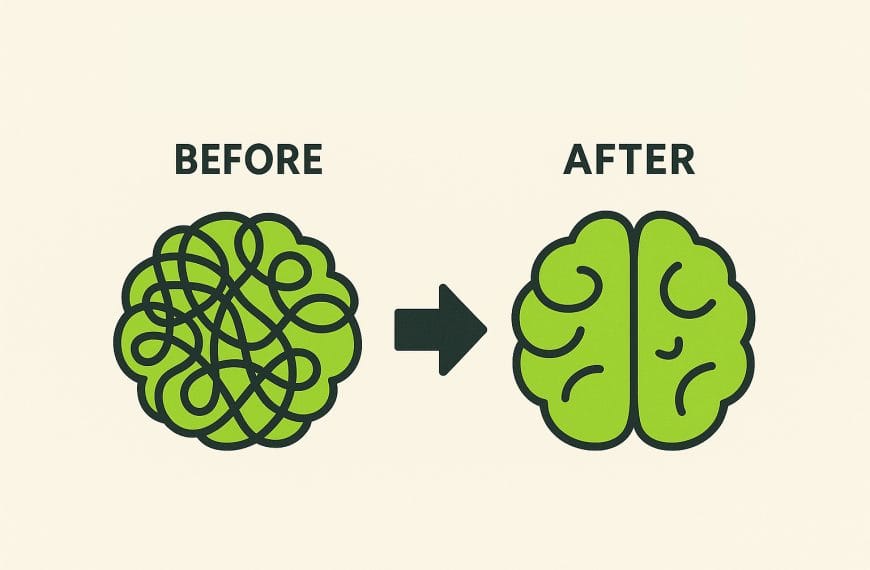
By organizing therapy at the identity layer, we cut through confusion and get to the root—transforming the loops that hold people back.
For the foundational definition of Identity-Level Therapy, see What ShiftGrit Is — the ShiftGrit Core Method™, Pattern Theory™, and the clinical structure behind the approach.














Edmonton Seasonal Affective Disorder — And Why Standard Coping Doesn’t Work
Every winter, Edmontonians experience a shift that’s far more intense than a simple dip in mood. Seasonal Affective…
 By
By
Insomnia Therapy in Calgary: What Keeps the Sleep Cycle Stuck?
An evidence-based guide for adults in Calgary on why insomnia persists—hyperarousal, conditioned wakefulness, and sleep-related worry—and how CBT‑I…

Calgary Rejection Sensitivity and ADHD: Why Feedback Feels So Big
This Calgary guide explores why feedback can feel unusually intense with ADHD, drawing on research on emotional dysregulation,…

Finding a Therapist or Psychologist in Edmonton: Questions Nobody Asks (But Should)
Therapy in Edmonton made simple: what to ask about fit, structure, and results before booking your first session.